—
Introduction – Why “Natural” Matters More Than Ever
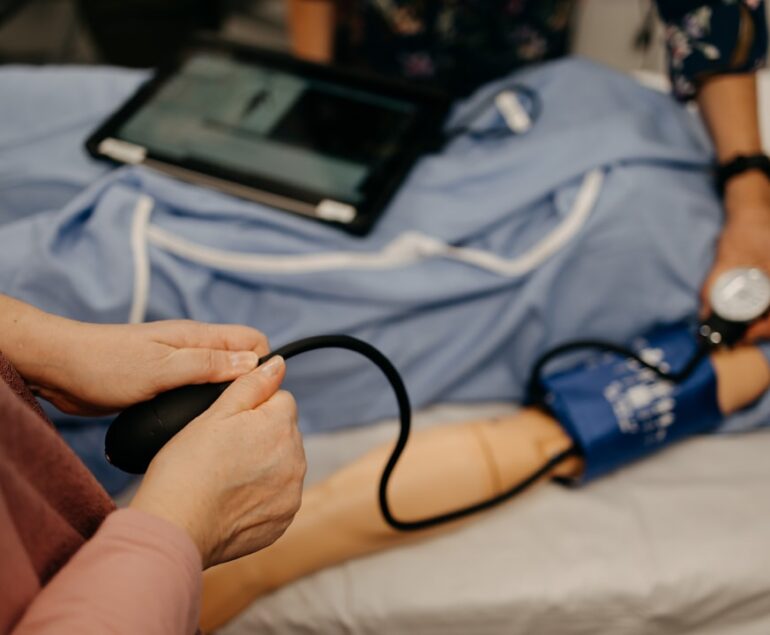
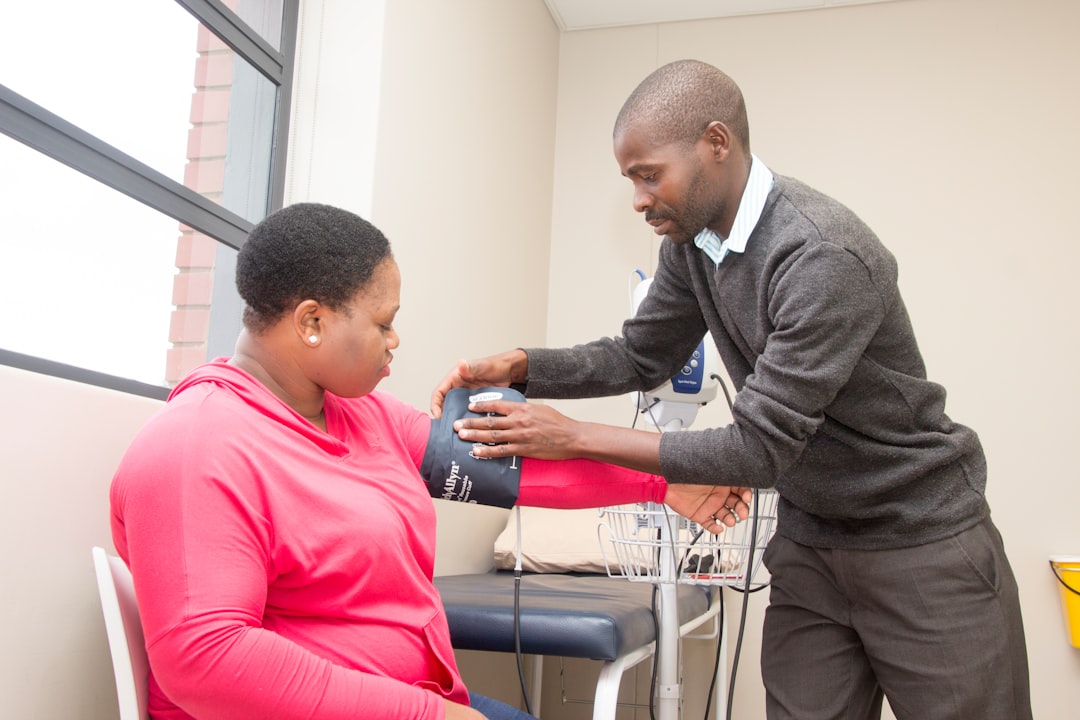
Imagine waking up, checking your blood‑pressure cuff, and seeing a reading that says 120/80 mmHg—the gold standard for a healthy heart. For the millions of people living with hypertension, that picture can feel like a distant dream. The good news? You don’t have to rely solely on prescription pills to get there.
A growing body of research shows that simple, everyday choices—what you eat, how you move, how you manage stress, and even how well you sleep—can reduce blood pressure naturally and keep it in check for the long haul. In this comprehensive guide, we’ll walk you through evidence‑backed strategies you can start implementing today. By the end, you’ll have a toolbox of actionable tips that fit real life, not just a clinical checklist.
—
1. Eat for a Healthy Heart: Nutrition Hacks to Lower Blood Pressure Naturally
1.1 Embrace the DASH Diet (Dietary Approaches to Stop Hypertension)
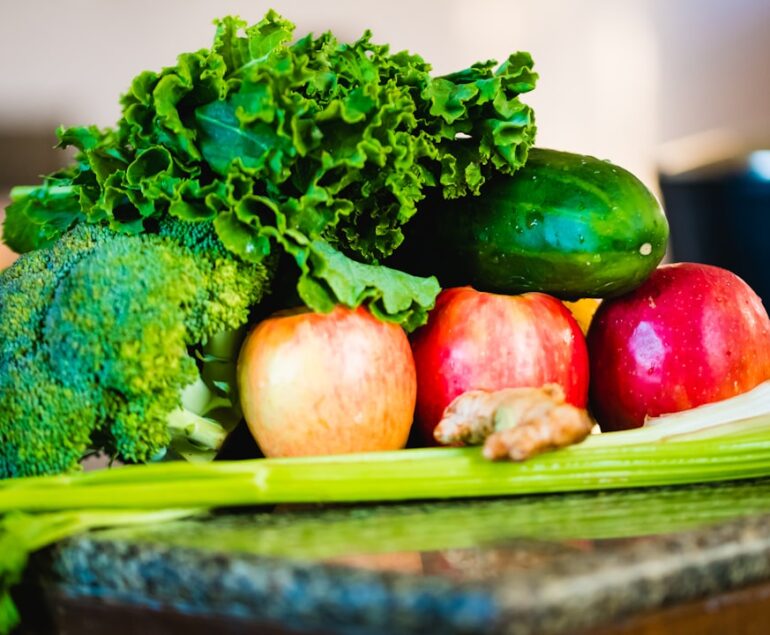
The DASH diet isn’t a fad; it’s a science‑backed eating plan specifically designed to reduce blood pressure naturally. It emphasizes:
| Food Group | Daily Servings | Why It Helps |
|————|—————-|————–|
| Vegetables | 4–5 | Rich in potassium, magnesium, and fiber |
| Fruits | 4–5 | Natural antioxidants and potassium |
| Whole Grains | 6–8 | Low glycemic index, supports steady blood sugar |
| Low‑fat Dairy | 2–3 | Calcium and vitamin D aid vascular health |
| Lean Protein (fish, poultry, beans) | 2–3 | Provides essential amino acids without excess saturated fat |
| Nuts & Seeds | 4–5 oz/week | Healthy fats and magnesium |
| Limited Sodium | < 2,300 mg/day (ideally 1,500 mg) | Directly lowers fluid retention and arterial pressure |
Actionable tip: Start by swapping one processed snack for a piece of fruit or a handful of unsalted almonds each day. Over a week, add a side of steamed broccoli to dinner. Small swaps add up quickly.
1.2 Potassium‑Power: The Counterbalance to Sodium
Potassium helps your kidneys excrete excess sodium, easing pressure on blood vessel walls. Aim for 4,700 mg per day—about the amount in a medium banana, a cup of cooked spinach, or a baked potato with skin.
Quick daily plan:
- Breakfast: Greek yogurt topped with sliced banana and a sprinkle of chia seeds.
- Lunch: Mixed green salad with chickpeas, avocado, and a citrus vinaigrette.
- Snack: A small orange or a handful of dried apricots.
- Dinner: Grilled salmon, quinoa, and roasted sweet potatoes.
- Monday, Wednesday, Friday: 30‑minute brisk walk (aim for 3–4 mph).
- Saturday: 45‑minute bike ride or swim.
- Sunday: Rest or gentle yoga.
- Sit comfortably, close eyes, focus on the breath.
- When thoughts arise, acknowledge them without judgment and gently return focus to breathing.
- Start with 5 minutes and gradually increase to 20 minutes.
- Keep bedroom cool (≈ 65 °F/18 °C).
- Dim lights 30 minutes before bed; avoid screens or use blue‑light filters.
- Stick to a consistent bedtime and wake‑time, even on weekends.
- Limit caffeine after 2 pm and avoid heavy meals within 2 hours of sleep.
- Track meals using a free app to become aware of hidden calories.
- Eat protein at each meal to increase satiety (e.g., eggs, Greek yogurt, legumes).
- Incorporate interval training 1–2 times per week for a metabolic boost.
- Alcohol: Limit to ≤ 1 drink/day for women and ≤ 2 drinks/day for men. Excessive intake can raise blood pressure within hours.
- Caffeine: Sensitive individuals may notice a temporary rise. Aim for ≤ 200 mg (about one 12‑oz coffee) per day, and avoid caffeine after mid‑afternoon.
1.3 Cut the Hidden Salt
Processed foods—canned soups, deli meats, frozen meals—are sodium traps. Read labels: look for “no added salt,” “low‑sodium,” or “sodium ≤ 140 mg per serving.”
Actionable tip: Spend a weekend meal‑prepping. Cook a big batch of brown rice, roast a tray of mixed vegetables, and grill chicken breast. Portion into containers so you always have a low‑sodium, ready‑to‑heat meal on hand.
1.4 The Power of Plant Sterols & Fiber
Soluble fiber (found in oats, barley, apples, and beans) binds cholesterol and improves arterial flexibility. Aim for 25–30 g of fiber per day.
Simple hack: Add a tablespoon of ground flaxseed to your morning smoothie or oatmeal. It boosts fiber, omega‑3s, and lignans—compounds linked to lower blood pressure.
1.5 Healthy Fats Over Bad Fats
Swap saturated fats (butter, fatty cuts of meat) for monounsaturated and polyunsaturated fats. Olive oil, avocado, and fatty fish (salmon, mackerel) provide omega‑3 fatty acids that reduce inflammation and improve endothelial function.
Actionable tip: Use olive oil instead of butter for sautéing vegetables, and aim for at least two servings of fatty fish per week.
—
2. Move Your Way to Lower Numbers: Exercise Strategies That Work
2.1 Aerobic Activity – The Gold Standard
Guideline: 150 minutes of moderate‑intensity aerobic exercise per week (e.g., brisk walking, cycling, swimming) or 75 minutes of vigorous activity (e.g., running, HIIT).
Why it matters: Aerobic exercise improves heart efficiency, widens blood vessels, and reduces resting heart rate—all key to lowering blood pressure naturally.
Actionable plan:
2.2 Resistance Training – Building Strength, Not Pressure
Two to three sessions of strength training per week help maintain lean muscle mass, which boosts metabolism and supports healthy blood pressure.
Starter routine (30 minutes):
| Exercise | Sets | Reps |
|———-|——|——|
| Bodyweight squats | 3 | 12–15 |
| Push‑ups (knees or full) | 3 | 10–12 |
| Dumbbell rows (or water bottles) | 3 | 12 each side |
| Plank | 3 | 30‑45 seconds |
| Lunges | 3 | 10 each leg |
Tip: Keep rest periods short (30–45 seconds) to keep heart rate mildly elevated, adding a mild cardio component.
2.3 Flexibility & Balance – The Unsung Heroes
Yoga, tai chi, and gentle stretching improve vascular compliance and lower stress hormones. Even a 10‑minute daily stretch routine can enhance circulation.
Quick yoga flow for blood pressure:
1. Cat‑Cow (Marjaryasana‑Bitilasana) – 1 minute, synchronizing breath.
2. Standing Forward Fold (Uttanasana) – 30 seconds, releasing tension in the back.
3. Warrior II (Virabhadrasana II) – 30 seconds each side, opens chest.
4. Seated Forward Bend (Paschimottanasana) – 1 minute, promotes parasympathetic response.
Actionable tip: Pair your post‑dinner walk with a short yoga session to double the blood‑pressure‑lowering effect.
—
3. Stress Management – Calm the Mind, Calm the Heart
3.1 The Stress‑Blood Pressure Connection
Chronic stress spikes cortisol and adrenaline, causing temporary spikes in blood pressure that, over time, can become permanent. Managing stress is therefore a cornerstone of any natural blood pressure reduction plan.
3.2 Deep Breathing & the 4‑7‑8 Technique
How to do it:
1. Inhale quietly through the nose for 4 seconds.
2. Hold the breath for 7 seconds.
3. Exhale slowly through the mouth for 8 seconds.
Repeat for 4–5 cycles. This activates the vagus nerve, lowering heart rate and blood pressure within minutes.
Actionable tip: Keep a sticky note on your monitor reminding you to practice the 4‑7‑8 technique before stressful meetings.
3.3 Mindfulness Meditation – Rewire Your Response
Research shows that an 8‑week mindfulness program can reduce systolic blood pressure by an average of 5 mmHg.
Simple daily practice:
3.4 Progressive Muscle Relaxation (PMR)
Tense each muscle group for 5 seconds, then release. Move from toes to head. This reduces sympathetic nervous system activity, leading to lower blood pressure.
Actionable tip: Use PMR right before bedtime to improve both blood pressure and sleep quality.
3.5 Social Connection & Laughter
Strong social ties are linked to a 6–8 mmHg reduction in systolic pressure. Schedule regular coffee dates, join a hobby group, or volunteer. Laughter triggers endorphin release, which naturally relaxes blood vessels.
—
4. Sleep & Weight Management – The Foundations You Can’t Ignore
4.1 Prioritize Quality Sleep
Adults need 7–9 hours of restorative sleep. Sleep deprivation raises sympathetic activity and impairs the kidneys’ ability to regulate sodium.
Sleep hygiene checklist:
Actionable tip: Set a “wind‑down” alarm 30 minutes before bedtime to remind you to start your routine (e.g., reading, stretching).
4.2 Weight Loss – Even Modest Drops Matter
Every 10 lb (≈ 4.5 kg) of weight loss can lower systolic pressure by 5–20 mmHg. Focus on body‑composition rather than just the scale.
Practical approach:
4.3 Alcohol & Caffeine – Moderation is Key
Actionable tip: Replace evening wine with sparkling water infused with citrus or cucumber slices.
—
5. Natural Supplements & Herbs – Evidence‑Based Add‑Ons
> Note: Supplements should complement, not replace, lifestyle changes. Always consult a healthcare professional before starting any new supplement, especially if you’re on medication.
5.1 Omega‑3 Fatty Acids
EPA and DHA from fish oil have been shown to reduce systolic pressure by 2–4 mmHg. Aim for 1,000 mg of combined EPA/DHA daily.
Food source: Fatty fish (salmon, sardines) 2‑3 times per week.
5.2 Coenzyme Q10 (CoQ10)
CoQ10 supports mitochondrial function and may lower systolic pressure by 5–10 mmHg in hypertensive patients. Typical dose: 100–200 mg per day.
5.3 Magnesium
Magnesium deficiency is linked to higher blood pressure. Supplementation (300–400 mg of elemental magnesium) can reduce systolic pressure by 2–4 mmHg.
Food sources: Pumpkin seeds, almonds, spinach, black beans.
5.4 Hibiscus Tea (Roselle)
A daily cup of hibiscus tea has been associated with a 7–8 mmHg reduction in systolic pressure. Brew 1–2 teaspoons of dried hibiscus petals in hot water for 5 minutes; drink unsweetened.
5.5 Garlic (Allium sativum)
Aged garlic extract (600 mg) can lower systolic pressure by 4–5 mmHg. Fresh garlic can be added to sauces, dressings, and roasted vegetables.
Actionable tip: Incorporate a “heart‑healthy” beverage rotation—green tea, hibiscus tea, and water infused with lemon—throughout the day.
—
Conclusion – Your Roadmap to Naturally Lower Blood Pressure
Lowering blood pressure naturally isn’t about a single miracle food or a quick‑fix pill; it’s about building a sustainable lifestyle that supports your cardiovascular system every day. Here are the key takeaways:
| Pillar | Core Action |
|——–|————-|
| Nutrition | Adopt the DASH diet, boost potassium, cut hidden sodium, and eat plenty of fiber and healthy fats. |
| Physical Activity | Aim for 150 min/week of moderate aerobic exercise, add 2–3 strength sessions, and include flexibility work. |
| Stress Management | Practice deep breathing, mindfulness, or progressive muscle relaxation daily; nurture social