—
Introduction – Why the “Natural” Route Matters
Imagine checking your blood pressure after a stressful day and seeing numbers that whisper, “Everything’s fine.” For millions of adults, that peace of mind feels like a distant dream. Hypertension—often called the “silent killer”—affects roughly 1 in 3 adults worldwide, and many rely on prescription pills to keep the numbers in check. While medication can be life‑saving, it’s not the only tool in the toolbox.
What if you could reduce blood pressure naturally by tweaking everyday habits, choosing foods that act like gentle medicine, and mastering stress before it spikes your heart rate? The good news is that science backs a handful of simple, sustainable strategies that can lower systolic and diastolic readings without a pharmacy visit. In this post, we’ll walk through actionable steps—diet, movement, sleep, stress control, and smart supplementation—that empower you to take charge of your cardiovascular health. By the end, you’ll have a clear, personalized plan to keep your blood pressure in the healthy zone and boost overall well‑being.
—
1. Eat for a Healthier Heart: Dietary Shifts That Lower Blood Pressure
a. Embrace the DASH Diet (Dietary Approaches to Stop Hypertension)
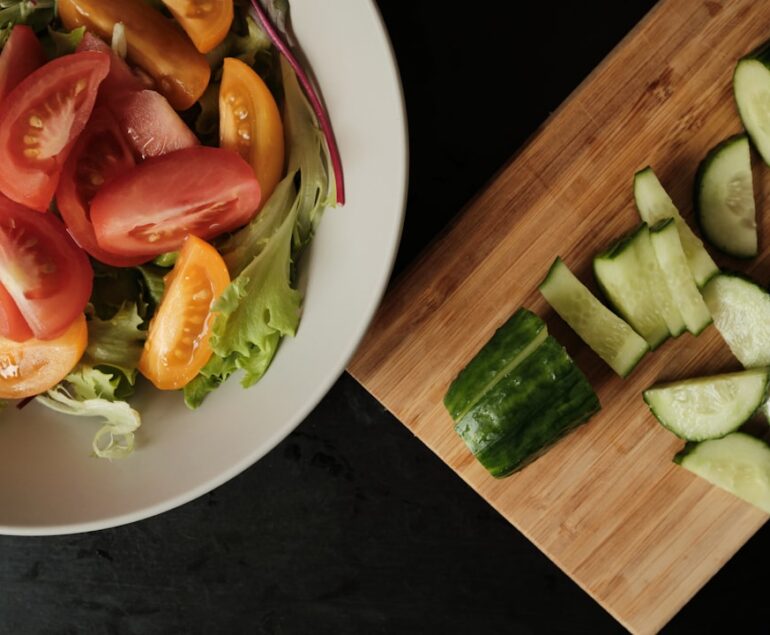
The DASH diet isn’t just a buzzword; it’s the gold standard for naturally reducing blood pressure. Rich in fruits, vegetables, whole grains, lean proteins, and low‑fat dairy, DASH emphasizes potassium, magnesium, and calcium—minerals that help blood vessels relax.
Action steps:
1. Plate the “Half‑Veggie” Rule: Fill half your plate with colorful vegetables (spinach, bell peppers, carrots).
2. Swap Refined Grains for Whole Grains: Choose oats, quinoa, or brown rice over white bread or pasta.
3. Choose Low‑Fat Dairy: Greek yogurt or skim milk provide calcium without excess saturated fat.
b. Cut Back on Sodium Without Losing Flavor
Excess sodium forces the body to retain water, raising blood volume and pressure. The American Heart Association recommends under 1,500 mg per day for optimal heart health.
Tips to slash sodium:
- Read Labels: Look for “no added salt” or “low‑sodium” versions of canned beans, soups, and sauces.
- Flavor with Herbs & Spices: Garlic, rosemary, cumin, and lemon zest add depth without the sodium punch.
- Rinse Canned Foods: A quick rinse can remove up to 40 % of sodium from beans and vegetables.
- Walk the Talk: Start with 10‑minute walks after meals, gradually building to 30‑minute sessions.
- Interval Boost: Alternate 2 minutes of fast pacing with 3 minutes of moderate speed; repeat 5–6 times. This “high‑intensity interval training” (HIIT) can improve vascular health in less time.
- Screen Curfew: Turn off phones, tablets, and TVs at least 30 minutes before bed. Blue light suppresses melatonin, making it harder to fall asleep—a factor that can raise blood pressure.
- Bedroom Sanctuary: Keep the room cool (≈68 °F), dark, and quiet. Consider blackout curtains or a white‑noise machine.
c. Boost Potassium‑Rich Foods
Potassium counteracts sodium’s effect by helping kidneys excrete excess salt. Aim for 4,700 mg per day.
Potassium powerhouses: bananas, sweet potatoes, beet greens, avocado, and lentils. Add a sliced banana to your morning oatmeal or toss roasted beet greens into a salad for an easy boost.
d. Limit Alcohol and Caffeine Wisely
Moderate alcohol (up to one drink per day for women, two for men) can be acceptable, but heavy drinking spikes pressure. Caffeine’s impact varies; if you’re sensitive, limit intake to 200 mg (about one 12‑oz coffee) and monitor how it affects your readings.
—
2. Move Your Body: Exercise Strategies That Make a Real Difference
a. Aerobic Activity – The Blood Pressure Powerhouse
Consistent aerobic exercise—think brisk walking, cycling, or swimming—has the strongest evidence for lowering blood pressure naturally. Aim for at least 150 minutes of moderate‑intensity or 75 minutes of vigorous activity each week.
Getting started:
b. Strength Training for Vascular Flexibility
Resistance work (weightlifting, bodyweight exercises) supports lean muscle mass, which improves insulin sensitivity and reduces arterial stiffness.
Simple routine:
1. Squats – 3 sets of 12
2. Push‑ups – 3 sets of 10 (modify on knees if needed)
3. Bent‑over rows – 3 sets of 12 using dumbbells or water bottles
Perform strength sessions 2–3 times per week, allowing a day of rest between.
c. Mindful Movement: Yoga & Tai Chi
Beyond cardio, practices that blend gentle motion with breath control—yoga, tai chi, qigong—have been shown to lower systolic pressure by 4–5 mmHg on average.
Starter pose: The Standing Forward Bend (Uttanasana) stretches hamstrings and promotes venous return, calming the nervous system. Hold for 30 seconds, breathing deeply, and repeat three times daily.
—
3. Stress Management – Calming the “Fight‑or‑Flight” Response
a. Understand the Stress‑Blood Pressure Link
When stress spikes, the adrenal glands release cortisol and adrenaline, causing heart rate and vessel constriction to rise. Chronic activation keeps blood pressure elevated.
b. Daily Relaxation Techniques
| Technique | How to Do It | Time Needed |
|———–|————–|————-|
| Box Breathing | Inhale 4 sec, hold 4 sec, exhale 4 sec, hold 4 sec | 2–5 min |
| Progressive Muscle Relaxation | Tense each muscle group for 5 sec, release slowly | 5–10 min |
| Guided Imagery | Visualize a calm scene (beach, forest) with all senses | 5 min |
Pick one technique each morning and evening; consistency beats intensity.
c. Digital Detox & Sleep Hygiene
d. Social Connection as a Stress Buffer
Strong relationships act as a natural antihypertensive. Schedule weekly coffee chats, join a community class, or volunteer—these interactions release oxytocin, which counteracts stress hormones.
—
4. Smart Supplementation & Lifestyle Tweaks
a. Proven Supplements
| Supplement | Typical Dose | How It Helps |
|————|————–|————–|
| Omega‑3 Fatty Acids (Fish Oil) | 1,000–2,000 mg EPA/DHA daily | Improves endothelial function, modestly lowers systolic pressure |
| Coenzyme Q10 | 100–200 mg daily | Supports mitochondrial health, may reduce pressure by 5–10 mmHg |
| Magnesium | 300–400 mg (citrate or glycinate) | Relaxes smooth muscle in blood vessels |
| Potassium (if diet low) | 2,000–3,000 mg from supplements, under doctor’s guidance | Balances sodium, aids vasodilation |
Safety note: Always discuss supplementation with a healthcare provider, especially if you’re on blood‑pressure medication, as some combos can cause overly low readings.
b. Weight Management – A Hidden Pressure Lever
Even a modest 5–10 % weight loss can drop systolic pressure by 5–20 mmHg. Combine portion control, high‑fiber foods, and regular movement for sustainable results.
c. Quit Smoking – The Ultimate Reset
Nicotine spikes heart rate and constricts arteries. Within 20 minutes of quitting, blood pressure begins to normalize. Seek support groups, nicotine replacement, or prescription aids if needed.
d. Monitor Your Progress
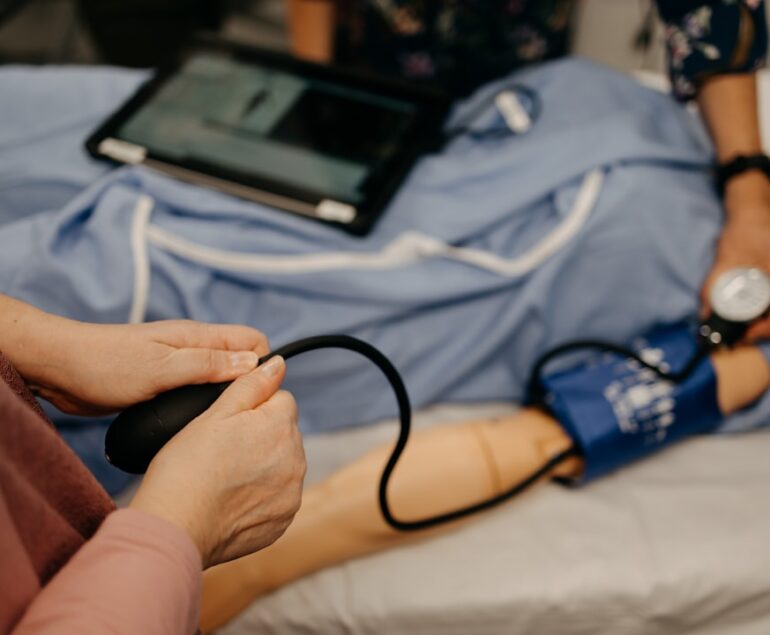
Invest in an automatic cuff or visit a pharmacy for regular checks. Track readings, diet, exercise, and stress scores in a journal or app. Seeing trends motivates continued effort and alerts you to any concerning changes.
—
Conclusion – Your Roadmap to Naturally Lower Blood Pressure
Reducing blood pressure naturally isn’t a single‑shot miracle; it’s a collection of daily choices that, together, create a powerful ripple effect on cardiovascular health. By adopting a heart‑friendly diet, committing to regular aerobic and strength exercise, managing stress, and leveraging evidence‑based supplements, you can lower your numbers without relying solely on medication.
Key takeaways:
1. Eat the DASH way—plenty of vegetables, whole grains, low‑fat dairy, and limited sodium.
2. Move daily—150 minutes of moderate cardio plus 2–3 strength sessions.
3. Control stress with breathing, mindfulness, and quality sleep.
4. Consider supplements like omega‑3s, magnesium, and CoQ10 after consulting your doctor.
5. Track progress and adjust habits as needed; consistency is the secret sauce.
Your heart is a resilient organ that rewards consistent, healthy behavior. Start with one small change—perhaps swapping a salty snack for a handful of unsalted nuts—and build from there. Over weeks and months, those incremental steps will add up, delivering lower blood pressure, a stronger heart, and a more vibrant life.
Take the first step today. Your future self will thank you.