Are you one of the millions of people living with high blood pressure, also known as hypertension? If so, you’re not alone. According to the American Heart Association, nearly half of all adults in the United States have high blood pressure, which can increase the risk of heart disease, stroke, and kidney disease. While medication can help manage the condition, there are many natural ways to reduce blood pressure and take control of your health. In this comprehensive guide, we’ll explore the best ways to lower your numbers and improve your overall well-being.
Understanding Blood Pressure and Its Risks
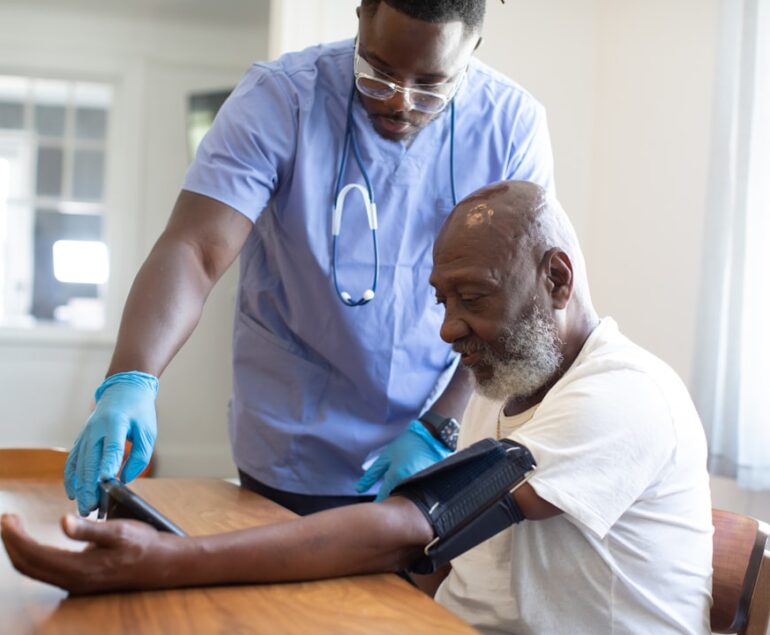
Before we dive into the natural remedies, it’s essential to understand what blood pressure is and why it’s so crucial to manage it. Blood pressure is the force of blood pushing against the walls of your arteries as your heart pumps blood throughout your body. When your blood pressure is too high, it can cause damage to your blood vessels, heart, and kidneys, leading to severe health complications. The good news is that high blood pressure is often reversible, and making lifestyle changes can help you reduce your risk of developing related health issues. By incorporating natural remedies into your daily routine, you can lower your blood pressure and improve your overall health.
Some of the key risk factors for high blood pressure include:
- Family history
- Age
- Obesity
- Physical inactivity
- Smoking
- Excessive alcohol consumption
- High-sodium diet
- Stress
- Leafy greens like spinach and kale, which are rich in potassium and calcium
- Berries, such as blueberries and strawberries, which are high in antioxidants and fiber
- Fatty fish like salmon and tuna, which are rich in omega-3 fatty acids
- Legumes, including lentils and chickpeas, which are high in protein and fiber
- Whole grains like brown rice and quinoa, which are rich in fiber and nutrients
- Sodium-rich foods, such as processed meats and canned goods
- Sugary drinks and foods high in added sugars
- Saturated and trans fats, which can increase cholesterol levels and blood pressure
- Regular exercise: Aim for at least 30 minutes of moderate-intensity exercise per day, such as brisk walking, cycling, or swimming. Exercise can help lower blood pressure by improving cardiovascular health and reducing stress.
- Stress management: Practice stress-reducing techniques like meditation, yoga, or deep breathing exercises. Chronic stress can raise blood pressure, so finding healthy ways to manage stress is crucial.
- Getting enough sleep: Aim for 7-8 hours of sleep per night to help regulate blood pressure and improve overall health.
- Quitting smoking: Smoking is a significant risk factor for high blood pressure, so quitting can help lower your numbers and improve your overall health.
- Limiting alcohol consumption: Excessive alcohol consumption can raise blood pressure, so it’s essential to limit your intake to no more than one drink per day for women and two drinks per day for men.
- Coenzyme Q10 (CoQ10): This antioxidant can help lower blood pressure by improving cardiovascular health and reducing oxidative stress.
- Fish oil: Rich in omega-3 fatty acids, fish oil can help reduce inflammation and improve cardiovascular health.
- Potassium: This essential mineral can help lower blood pressure by balancing out the effects of sodium in the body.
- Hawthorn: This herbal remedy has been shown to help lower blood pressure by improving cardiovascular health and reducing inflammation.
- Garlic: Garlic has natural blood-thinning properties, which can help reduce blood pressure and improve cardiovascular health.
- Eat a healthy diet rich in whole foods, fruits, vegetables, and whole grains
- Limit your intake of sodium-rich foods, sugary drinks, and saturated and trans fats
- Exercise regularly, aim for 30 minutes of moderate-intensity exercise per day
- Practice stress-reducing techniques like meditation, yoga, or deep breathing exercises
- Get enough sleep, aim for 7-8 hours per night
- Quit smoking and limit your alcohol consumption
- Consider natural remedies and supplements like CoQ10, fish oil, potassium, hawthorn, and garlic, but always consult with a healthcare professional before using them
By understanding these risk factors, you can take proactive steps to reduce your likelihood of developing high blood pressure. For example, if you have a family history of hypertension, you can focus on maintaining a healthy weight, exercising regularly, and eating a balanced diet.
Dietary Changes to Reduce Blood Pressure
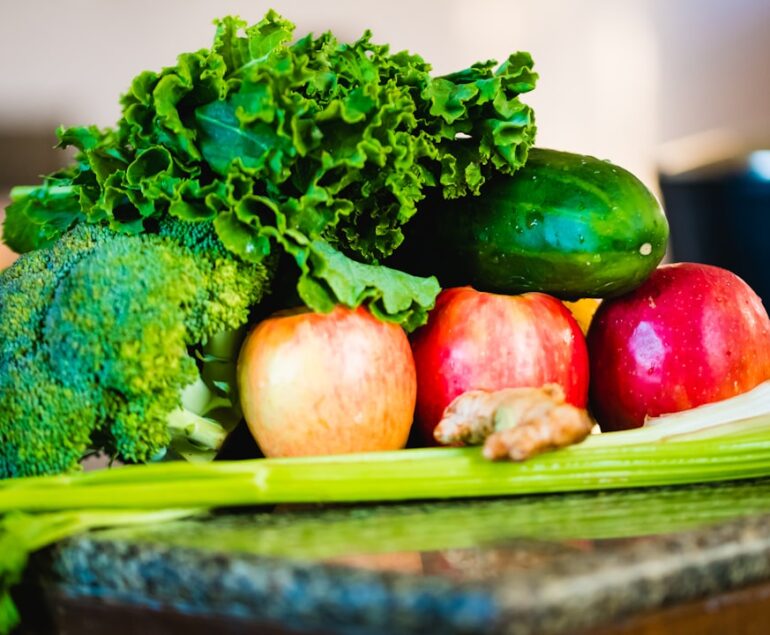
What you eat plays a significant role in managing your blood pressure. A healthy diet rich in whole foods, fruits, vegetables, and whole grains can help lower your numbers. Some of the best foods for reducing blood pressure include:
In addition to incorporating these foods into your diet, it’s also essential to limit your intake of:
By making these dietary changes, you can help reduce your blood pressure and improve your overall health. For example, a study published in the Journal of the American College of Cardiology found that a diet rich in fruits, vegetables, and whole grains can help lower blood pressure in just a few weeks.
Lifestyle Changes to Lower Blood Pressure
In addition to dietary changes, there are many lifestyle modifications that can help reduce blood pressure. Some of the most effective include:
By incorporating these lifestyle changes into your daily routine, you can help reduce your blood pressure and improve your overall health. For example, a study published in the Journal of Hypertension found that regular exercise can help lower blood pressure in just a few weeks.
Natural Remedies and Supplements
In addition to dietary and lifestyle changes, there are many natural remedies and supplements that can help reduce blood pressure. Some of the most effective include:
When using natural remedies and supplements, it’s essential to consult with a healthcare professional to ensure you’re using them safely and effectively. For example, some supplements can interact with medications or have side effects, so it’s crucial to use them under the guidance of a healthcare professional.
Conclusion and Key Takeaways
Reducing blood pressure naturally requires a comprehensive approach that incorporates dietary changes, lifestyle modifications, and natural remedies. By making these changes, you can lower your numbers and improve your overall health. Some key takeaways to remember include:
By following these tips and making sustainable lifestyle changes, you can reduce your blood pressure and take control of your health. Remember, it’s essential to work with a healthcare professional to monitor your progress and make adjustments as needed. With the right approach, you can lower your numbers and improve your overall well-being. So, take the first step today and start your journey towards a healthier, happier you.