Are you one of the millions of people worldwide living with high blood pressure? Do you feel like you’re stuck on a never-ending cycle of medication and doctor’s appointments? The good news is that you have the power to take control of your blood pressure and reduce it naturally. By making a few simple lifestyle changes and incorporating some natural remedies into your daily routine, you can lower your numbers and improve your overall health. In this comprehensive guide, we’ll explore the best ways to reduce blood pressure naturally, without relying on medication.
Understanding Blood Pressure: The Basics
Before we dive into the natural remedies, it’s essential to understand what blood pressure is and how it affects our bodies. Blood pressure is the force of blood against the walls of our arteries, and it’s measured in millimeters of mercury (mmHg). A normal blood pressure reading is typically around 120/80 mmHg, but when it rises above 140/90 mmHg, it’s considered high blood pressure. High blood pressure, also known as hypertension, can lead to serious health problems, including heart disease, stroke, and kidney disease. The American Heart Association (AHA) estimates that nearly 1 in 3 adults in the United States has high blood pressure, making it a significant public health concern.
Dietary Changes to Lower Blood Pressure
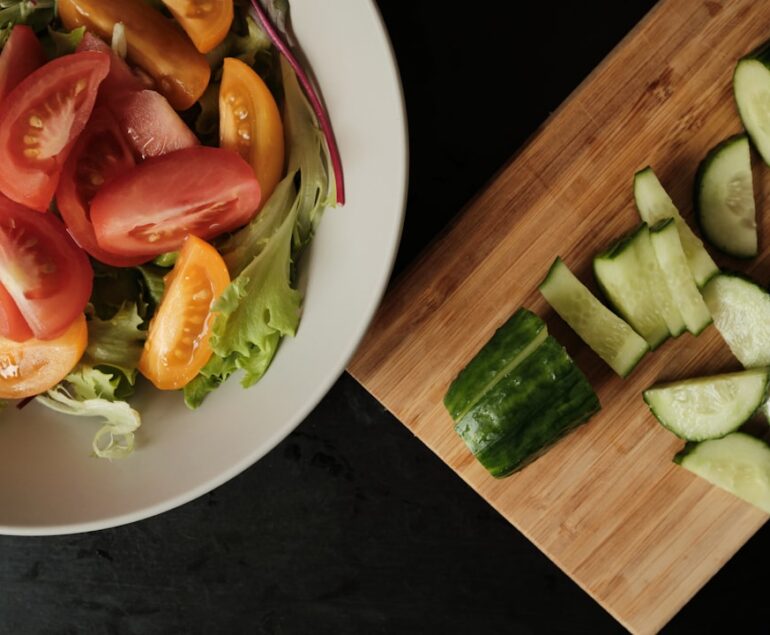
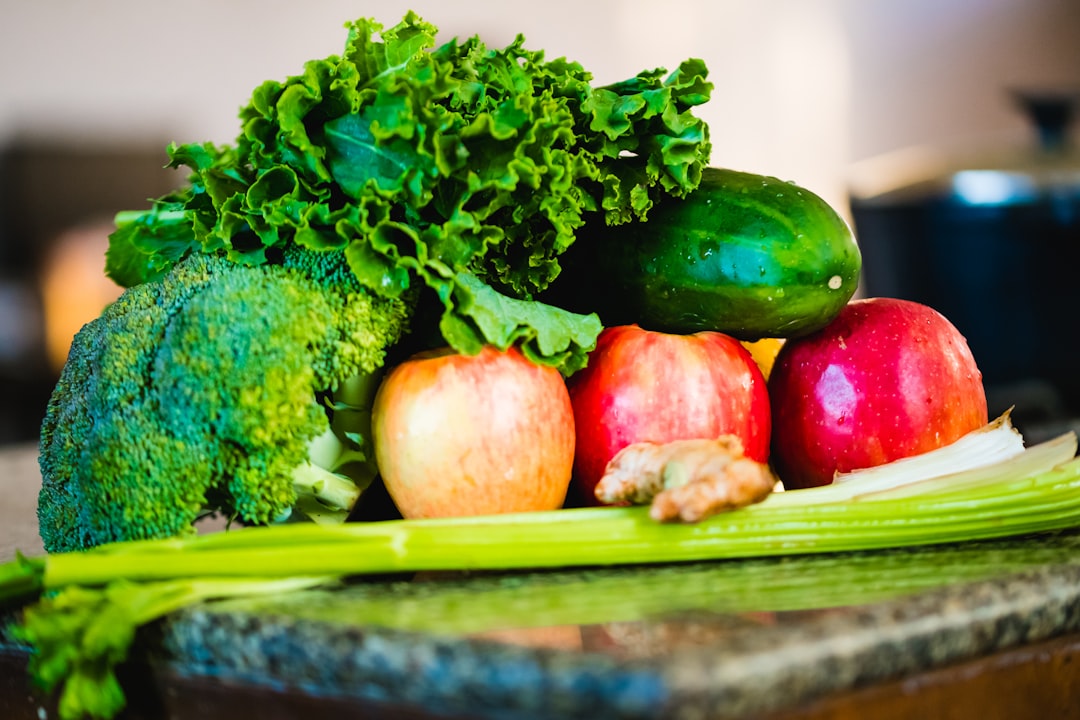
One of the most effective ways to reduce blood pressure naturally is through dietary changes. By incorporating blood pressure-friendly foods into your diet, you can help lower your numbers and improve your overall health. Here are some of the best foods to eat:
- Potassium-rich foods: Potassium helps lower blood pressure by balancing out the effects of sodium in the body. Include potassium-rich foods like bananas, leafy greens, and sweet potatoes in your diet.
- Omega-3 fatty acids: Omega-3 fatty acids, found in fatty fish like salmon and sardines, can help reduce inflammation and lower blood pressure.
- Fiber-rich foods: Fiber can help lower blood pressure by reducing inflammation and improving blood vessel function. Include fiber-rich foods like oats, berries, and legumes in your diet.
- Low-sodium foods: Sodium can raise blood pressure, so it’s essential to limit your sodium intake. Choose low-sodium foods and season your meals with herbs and spices instead of salt.
- Exercise: Regular exercise can help lower blood pressure by strengthening the heart and improving blood vessel function. Aim for at least 30 minutes of moderate-intensity exercise per day.
- Stress reduction techniques: Stress can raise blood pressure, so it’s essential to find healthy ways to manage stress. Try techniques like meditation, deep breathing, or yoga to help reduce stress and lower blood pressure.
- Coenzyme Q10 (CoQ10): CoQ10 is an antioxidant that can help lower blood pressure by reducing inflammation and improving blood vessel function.
- Garlic: Garlic has natural blood-thinning properties that can help lower blood pressure by reducing blood clotting and improving blood vessel function.
- Hawthorn: Hawthorn is a natural herb that has been shown to lower blood pressure by improving blood vessel function and reducing inflammation.
- Get enough sleep: Poor sleep can raise blood pressure, so it’s essential to get enough sleep each night. Aim for 7-8 hours of sleep per night.
- Quit smoking: Smoking can raise blood pressure and increase the risk of heart disease. Quitting smoking can help lower blood pressure and improve overall health.
- Limit alcohol intake: Excessive alcohol consumption can raise blood pressure, so it’s essential to limit your intake. The AHA recommends limiting alcohol intake to no more than 1-2 drinks per day.
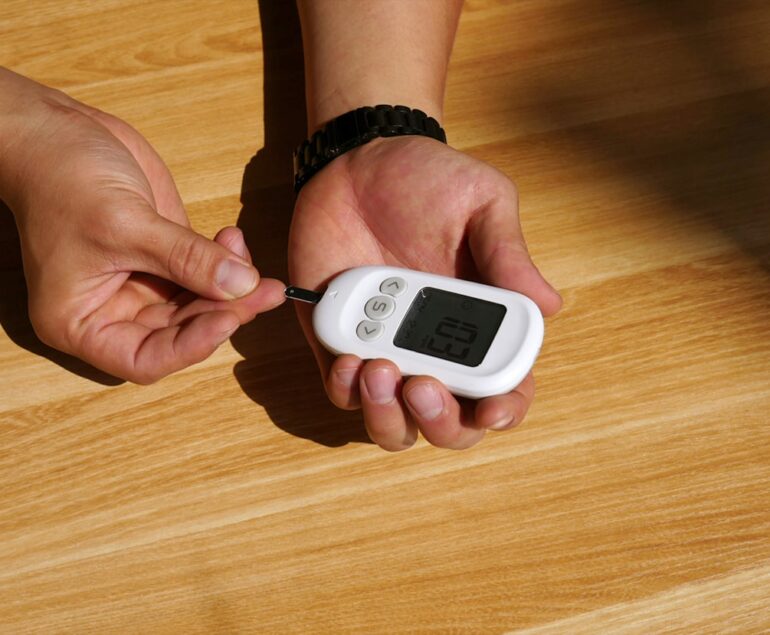
- Monitor your blood pressure: Regular blood pressure monitoring can help you track your progress and make adjustments to your lifestyle as needed. Invest in a home blood pressure monitor and track your numbers regularly.
- Dietary changes, such as incorporating potassium-rich foods and omega-3 fatty acids, can help lower blood pressure.
- Natural remedies like exercise, stress reduction techniques, and CoQ10 can help reduce blood pressure.
- Lifestyle changes, such as getting enough sleep, quitting smoking, and limiting alcohol intake, can support blood pressure reduction.
- Regular blood pressure monitoring can help you track your progress and make adjustments to your lifestyle as needed.
In addition to incorporating these foods into your diet, it’s also important to limit your intake of processed and sugary foods, which can raise blood pressure. The DASH diet (Dietary Approaches to Stop Hypertension) is a well-studied eating plan that has been shown to lower blood pressure and improve overall health.
Natural Remedies to Reduce Blood Pressure
In addition to dietary changes, there are several natural remedies that can help reduce blood pressure. Here are some of the most effective ones:
Lifestyle Changes to Support Blood Pressure Reduction
In addition to dietary changes and natural remedies, there are several lifestyle changes you can make to support blood pressure reduction. Here are some of the most effective ones:
Conclusion: Taking Control of Your Blood Pressure
Reducing blood pressure naturally takes time and effort, but it’s worth it. By making a few simple lifestyle changes and incorporating natural remedies into your daily routine, you can lower your numbers and improve your overall health. Remember to always consult with your healthcare provider before making any significant changes to your lifestyle or medication regimen. By working together, you can take control of your blood pressure and reduce your risk of heart disease, stroke, and other health problems.
Key takeaways:
By following these tips and taking control of your blood pressure, you can improve your overall health and reduce your risk of serious health problems. Remember, it’s never too late to make a change and start living a healthier, happier life.