Are you tired of trying fad diets and quick fixes that promise the world but deliver nothing but disappointment? Do you dream of achieving a healthy, toned body that makes you feel confident and energetic? If so, you’re not alone. Millions of people around the world struggle with weight loss, but the good news is that it’s achievable with the right approach. In this comprehensive guide, we’ll delve into the world of weight loss, exploring the latest research, expert tips, and proven strategies to help you reach your goals.
Understanding Weight Loss: The Basics
Before we dive into the nitty-gritty of weight loss, it’s essential to understand the basics. Weight loss occurs when you create a calorie deficit, meaning you burn more calories than you consume. This can be achieved through a combination of diet, exercise, and lifestyle changes. However, it’s not just about cutting calories or following a restrictive diet; it’s about adopting a sustainable, holistic approach that nourishes your body and promotes overall well-being.
One of the most critical factors in weight loss is nutrition. Eating a balanced diet that’s rich in whole foods, fruits, vegetables, lean proteins, and healthy fats is essential for providing your body with the necessary fuel to function optimally. Aim to include a variety of colorful fruits and vegetables in your diet, as they’re packed with antioxidants, fiber, and essential vitamins and minerals. Some of the best weight loss foods include leafy greens like spinach and kale, citrus fruits like oranges and grapefruits, and lean proteins like chicken and salmon.
In addition to nutrition, physical activity plays a vital role in weight loss. Regular exercise not only burns calories but also builds muscle, boosts metabolism, and enhances overall health. Aim for at least 150 minutes of moderate-intensity aerobic exercise, or 75 minutes of vigorous-intensity aerobic exercise, or a combination of both, per week. You can also incorporate strength training, high-intensity interval training (HIIT), and other forms of exercise to keep your workouts engaging and challenging.
Debunking Weight Loss Myths and Fad Diets
With so much misinformation circulating online and in the media, it’s easy to get caught up in fad diets and quick fixes that promise rapid weight loss. However, these approaches often come with a hefty price tag, both physically and mentally. From low-carb diets to detox teas, it’s essential to separate fact from fiction and focus on evidence-based strategies that promote sustainable weight loss.
One of the most significant weight loss myths is that you need to follow a restrictive diet to see results. While it’s true that cutting calories is necessary for weight loss, severely restricting your diet can lead to nutrient deficiencies, decreased metabolism, and a higher risk of disordered eating. Instead, focus on making sustainable lifestyle changes that prioritize whole, nutrient-dense foods and allow for flexibility and indulgence.
Another myth is that you need to spend hours at the gym to achieve significant weight loss. While regular exercise is essential, it’s not necessary to become a marathon runner or gym rat to see results. Short, intense workouts, such as HIIT, can be just as effective as longer, more leisurely sessions. Additionally, incorporating physical activity into your daily routine, such as taking the stairs or walking to work, can make a significant impact on your overall weight loss journey.
Creating a Sustainable Weight Loss Plan
So, how do you create a weight loss plan that’s tailored to your needs and goals? The first step is to set realistic, achievable objectives. Rather than aiming to lose a certain amount of weight in a short period, focus on making progressive, sustainable changes that prioritize your overall health and well-being. This might include increasing your physical activity levels, eating more whole foods, or practicing stress-reducing techniques like meditation or yoga.
Another essential aspect of a successful weight loss plan is tracking your progress. This can be done using a food diary, mobile app, or wearable device. Monitoring your food intake, physical activity, and sleep patterns can help you identify patterns, make informed decisions, and stay motivated. Additionally, sharing your goals and progress with a friend or family member can provide an added layer of accountability and support.
In terms of nutrition, it’s essential to focus on whole, unprocessed foods that provide a balance of protein, healthy fats, and complex carbohydrates. Some of the best weight loss foods include:
- Leafy greens like spinach, kale, and collard greens
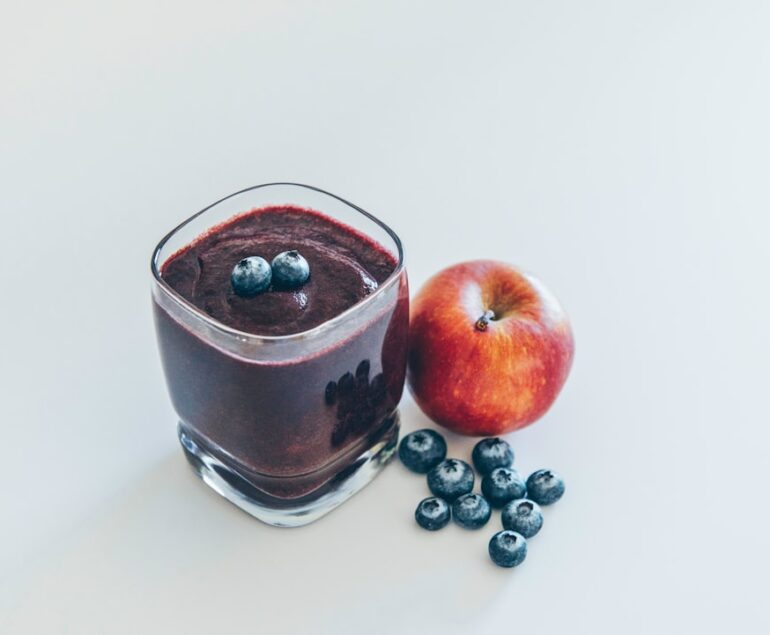
- Berries, citrus fruits, and apples
- Fatty fish like salmon, tuna, and mackerel
- Nuts and seeds like almonds, chia seeds, and flaxseeds
- Whole grains like brown rice, quinoa, and whole-wheat bread
- Weight loss occurs when you create a calorie deficit through a combination of diet, exercise, and lifestyle changes
- Nutrition plays a critical role in weight loss, with a focus on whole, unprocessed foods that provide a balance of protein, healthy fats, and complex carbohydrates
- Regular physical activity is essential for weight loss, with a focus on finding activities that you enjoy and that make you feel good
- Debunking weight loss myths and fad diets is essential for achieving sustainable weight loss
- Creating a sustainable weight loss plan involves setting realistic goals, tracking progress, and developing a growth mindset that prioritizes progress, not perfection
Overcoming Obstacles and Staying Motivated
Weight loss is not always a linear journey, and it’s common to encounter setbacks and plateaus along the way. However, it’s how you respond to these challenges that can make all the difference. Rather than giving up or resorting to restrictive dieting, focus on developing a growth mindset that prioritizes progress, not perfection.
One of the most significant obstacles to weight loss is emotional eating. This can include eating in response to stress, boredom, or other emotions, rather than hunger. To overcome emotional eating, it’s essential to develop a healthier relationship with food and your body. This might involve practicing mindful eating, seeking support from a therapist or support group, or finding alternative coping mechanisms like exercise, meditation, or creative pursuits.
Another common obstacle is lack of motivation. It’s easy to get caught up in the excitement of starting a new diet or exercise program, only to lose steam after a few weeks. To stay motivated, it’s essential to find activities that you enjoy and that make you feel good, both physically and mentally. This might include trying new recipes, taking a cooking class, or finding a workout buddy or personal trainer.
Conclusion and Key Takeaways
Weight loss is a journey, not a destination. It’s a process that requires patience, dedication, and a willingness to learn and adapt. By focusing on sustainable, evidence-based strategies that prioritize whole foods, regular exercise, and overall well-being, you can achieve a healthy, toned body that makes you feel confident and energetic.
Some of the key takeaways from this comprehensive guide include:
By incorporating these strategies into your daily routine, you can unlock the secrets to sustainable weight loss and achieve a healthier, happier you. Remember, weight loss is not just about the number on the scale; it’s about adopting a holistic approach that nourishes your body, mind, and spirit. So, take the first step today, and start your journey towards a healthier, more vibrant you.