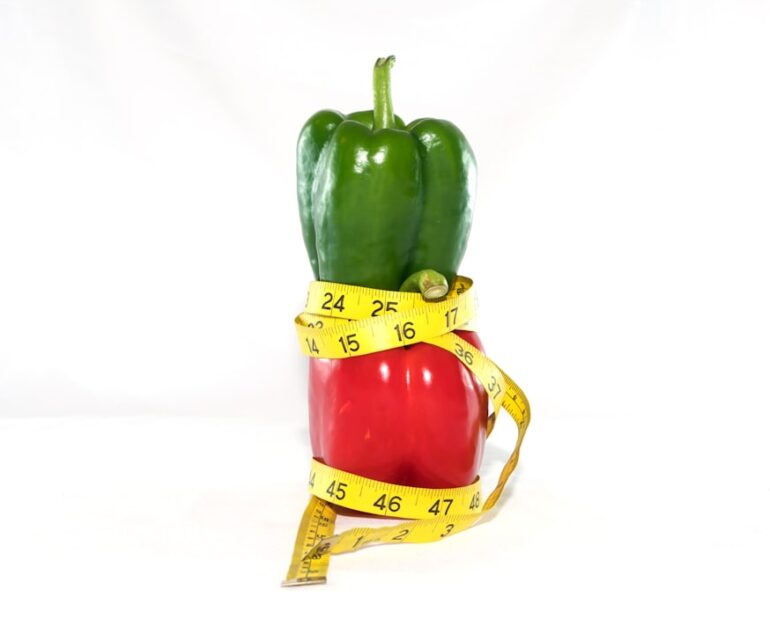
Are you tired of feeling self-conscious about your body? Do you want to fit into your favorite clothes again or boost your overall health? Losing weight can be a daunting task, but it doesn’t have to be. With the right approach, you can shed those extra pounds quickly and safely. In this comprehensive guide, we’ll share the most effective tips and strategies to help you lose weight fast and maintain a healthy lifestyle. So, let’s get started on this journey to a slimmer, healthier you!
Understanding Weight Loss: Setting Realistic Expectations
Before we dive into the nitty-gritty of weight loss, it’s essential to understand how it works. Weight loss occurs when you create a calorie deficit, meaning you consume fewer calories than your body burns. This can be achieved through a combination of reducing your daily caloric intake and increasing your physical activity. However, it’s crucial to set realistic expectations. Crash diets and extreme exercise routines may lead to rapid weight loss, but they’re often unsustainable and can be detrimental to your health. Aim to lose 1-2 pounds per week for a healthy and maintainable weight loss journey.
To get started, you’ll need to calculate your daily caloric needs. This can be done using an online calorie calculator or by consulting with a registered dietitian. Once you have your daily caloric goal, you can begin to make adjustments to your diet and exercise routine. Remember, weight loss is not just about cutting calories, but also about nourishing your body with whole, nutrient-dense foods.
Nutrition: The Key to Sustainable Weight Loss
A well-balanced diet is the foundation of any successful weight loss plan. Focus on whole, unprocessed foods like vegetables, fruits, lean proteins, and whole grains. These foods are rich in essential nutrients, fiber, and antioxidants, which will help keep you full and satisfied while supporting overall health. Some of the best foods for weight loss include:
- Leafy greens like spinach and kale
- Cruciferous vegetables like broccoli and cauliflower
- Berries and citrus fruits
- Nuts and seeds like almonds and chia seeds
- Fatty fish like salmon and tuna
- Sweet potatoes and whole grains like brown rice and quinoa
- Brisk walking
- Jogging or running
- Swimming
- Cycling
- HIIT workouts like burpees and jump squats
- Strength training exercises like squats, lunges, and deadlifts
- Set specific, achievable goals
- Track your progress through journaling or mobile apps
- Find a workout buddy or accountability partner
- Reward yourself for milestones achieved
- Focus on progress, not perfection
- Practice self-care and stress management techniques like meditation and deep breathing
- Set realistic expectations and aim for sustainable weight loss
- Focus on whole, nutrient-dense foods and limit processed and high-calorie foods
- Incorporate regular exercise, including aerobic and strength training activities
- Develop a healthy mindset and find motivation through goal-setting, tracking progress, and self-care
- Overcome obstacles and stay on track by being kind to yourself and learning from setbacks
In addition to incorporating these foods into your diet, it’s also important to limit your intake of processed and high-calorie foods. Sugary drinks, refined carbohydrates, and saturated fats can hinder your weight loss efforts and increase your risk of chronic diseases. Be mindful of portion sizes and control your calorie intake by eating until you’re satisfied, not stuffed.
Exercise: Boosting Metabolism and Burning Calories
Regular exercise is a crucial component of any weight loss plan. Not only does it help you burn calories, but it also boosts your metabolism, builds muscle, and improves overall health. Aim for at least 150 minutes of moderate-intensity aerobic exercise or 75 minutes of vigorous-intensity aerobic exercise per week. You can also incorporate strength training, high-intensity interval training (HIIT), and other forms of physical activity to keep your workouts interesting and prevent plateaus.
Some of the best exercises for weight loss include:
Remember to listen to your body and start slowly, especially if you’re new to exercise. It’s also essential to incorporate rest days and stretching exercises to prevent injury and support recovery.
Mindset and Motivation: Overcoming Obstacles and Staying on Track
Losing weight is not just about physical changes; it’s also about mental and emotional transformation. Developing a healthy mindset and finding motivation can be the key to overcoming obstacles and staying on track. Here are some tips to help you stay motivated:
It’s also essential to overcome common obstacles like emotional eating, lack of time, and plateaus. Be kind to yourself, and don’t be too hard on yourself if you encounter setbacks. Instead, learn from your mistakes and move forward with a positive attitude.
Conclusion: Key Takeaways for a Successful Weight Loss Journey
Losing weight fast and safely requires a comprehensive approach that incorporates healthy nutrition, regular exercise, and a positive mindset. Remember to:
By following these tips and strategies, you’ll be well on your way to a slimmer, healthier you. Remember to stay patient, persistent, and positive, and don’t hesitate to seek support from healthcare professionals or registered dietitians if you need guidance. With the right approach, you can achieve your weight loss goals and maintain a healthy, balanced lifestyle for years to come. So, let’s get started on this journey to a happier, healthier you!