Are you one of the millions of people worldwide living with high blood pressure? If so, you’re not alone. According to the World Health Organization (WHO), approximately 1.13 billion people globally suffer from hypertension, which is a major risk factor for heart disease, stroke, and kidney disease. The good news is that reducing blood pressure naturally is achievable through a combination of lifestyle changes, dietary modifications, and stress management techniques. In this comprehensive guide, we’ll explore the most effective ways to lower your blood pressure without relying on medication.
Understanding Blood Pressure and Its Impact on Health
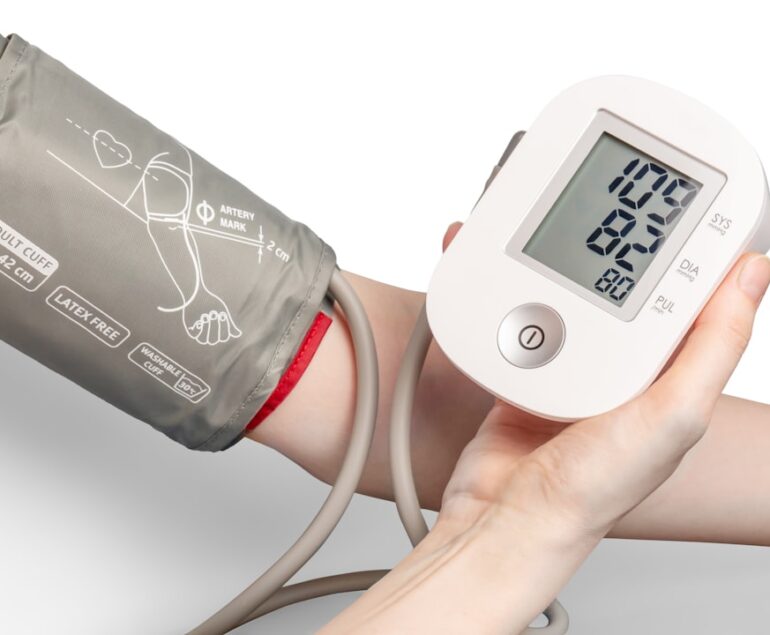
Before we dive into the natural ways to reduce blood pressure, it’s essential to understand what blood pressure is and how it affects our overall health. Blood pressure is the force of blood pushing against the walls of our arteries as the heart pumps blood throughout the body. When blood pressure is too high, it can cause damage to the blood vessels, heart, and kidneys, leading to serious health complications. The American Heart Association (AHA) defines normal blood pressure as less than 120/80 mmHg, while readings above 140/90 mmHg are considered hypertensive.
High blood pressure can be caused by a combination of factors, including genetics, age, obesity, physical inactivity, smoking, and a poor diet. Certain medical conditions, such as kidney disease, sleep apnea, and adrenal gland tumors, can also contribute to high blood pressure. The good news is that many of these factors can be controlled or managed through lifestyle changes, which we’ll discuss in the following sections.
Dietary Changes to Reduce Blood Pressure
A well-balanced diet plays a crucial role in reducing blood pressure naturally. Certain foods and nutrients can help lower blood pressure, while others can exacerbate the condition. Here are some dietary changes you can make to help reduce your blood pressure:
- Increase potassium intake: Potassium-rich foods, such as bananas, leafy greens, and sweet potatoes, can help lower blood pressure by balancing out the effects of sodium in the body.
- Eat more omega-3 fatty acids: Fatty fish, such as salmon and tuna, are rich in omega-3 fatty acids, which can help reduce inflammation and lower blood pressure.
- Incorporate more fiber: A high-fiber diet can help lower blood pressure by reducing inflammation and improving blood vessel function. Foods rich in fiber include fruits, vegetables, whole grains, and legumes.
- Reduce sodium intake: Excessive sodium consumption can increase blood pressure, so it’s essential to limit your sodium intake to less than 2,300 milligrams per day.
- Stay hydrated: Drinking plenty of water can help lower blood pressure by improving blood vessel function and reducing blood volume.
- Regular exercise: Regular physical activity can help lower blood pressure by improving blood vessel function, reducing inflammation, and increasing nitric oxide production. Aim for at least 30 minutes of moderate-intensity exercise per day.
- Stress management: Chronic stress can raise blood pressure, so it’s essential to find healthy ways to manage stress, such as meditation, yoga, or deep breathing exercises.
- Get enough sleep: Poor sleep quality and duration can increase blood pressure, so aim for 7-8 hours of sleep per night.
- Quit smoking: Smoking is a significant risk factor for high blood pressure, so quitting can help lower your blood pressure and reduce your risk of heart disease.
- Limit alcohol consumption: Excessive alcohol consumption can raise blood pressure, so it’s essential to limit your intake to no more than one drink per day for women and two drinks per day for men.
- Coenzyme Q10 (CoQ10): CoQ10 is an antioxidant that can help lower blood pressure by improving blood vessel function and reducing inflammation.
- Fish oil: Fish oil supplements rich in omega-3 fatty acids can help reduce inflammation and lower blood pressure.
- Garlic: Garlic has been shown to have a blood pressure-lowering effect, possibly due to its ability to reduce inflammation and improve blood vessel function.
- Hawthorn: Hawthorn is a herbal remedy that has been used for centuries to treat high blood pressure. It may help lower blood pressure by improving blood vessel function and reducing inflammation.
- Acupuncture: Acupuncture is a traditional Chinese medicine technique that involves inserting thin needles into specific points on the body. It may help lower blood pressure by reducing stress and improving blood vessel function.
- Dietary changes, such as increasing potassium intake and reducing sodium consumption, can help lower blood pressure.
- Lifestyle modifications, such as regular exercise and stress management, can also reduce blood pressure.
- Natural supplements and remedies, such as CoQ10 and fish oil, may be effective in reducing blood pressure, but should not be used as a replacement for medical treatment.
- Getting enough sleep and quitting smoking can also help lower blood pressure.
- Consult with your healthcare provider before making any significant changes to your diet or lifestyle.
In addition to incorporating these foods and nutrients into your diet, it’s also important to limit your intake of processed and packaged foods, which are often high in sodium, sugar, and unhealthy fats. The DASH (Dietary Approaches to Stop Hypertension) diet is a well-studied eating plan that has been shown to lower blood pressure and reduce the risk of heart disease.
Lifestyle Changes to Reduce Blood Pressure
In addition to dietary changes, lifestyle modifications can also play a significant role in reducing blood pressure naturally. Here are some lifestyle changes you can make to help lower your blood pressure:
Natural Supplements and Remedies to Reduce Blood Pressure
In addition to dietary and lifestyle changes, certain natural supplements and remedies may also help reduce blood pressure. Here are some of the most effective natural remedies for high blood pressure:
It’s essential to note that while these natural supplements and remedies may be effective in reducing blood pressure, they should not be used as a replacement for medical treatment. If you’re considering using any of these remedies, be sure to consult with your healthcare provider first.
Conclusion and Key Takeaways
Reducing blood pressure naturally is achievable through a combination of dietary changes, lifestyle modifications, and stress management techniques. By incorporating more potassium-rich foods, omega-3 fatty acids, and fiber into your diet, and limiting your intake of sodium and processed foods, you can help lower your blood pressure and reduce your risk of heart disease. Regular exercise, stress management, and getting enough sleep are also essential for maintaining healthy blood pressure. While natural supplements and remedies may be effective in reducing blood pressure, they should not be used as a replacement for medical treatment. By following these tips and consulting with your healthcare provider, you can take control of your blood pressure and live a healthier, happier life.
Key takeaways:
By following these tips and taking control of your blood pressure, you can reduce your risk of heart disease, stroke, and kidney disease, and live a longer, healthier life. Remember, reducing blood pressure naturally is a journey that requires patience, persistence, and dedication, but the rewards are well worth it.