Are you tired of fad diets and endless hours at the gym with little to no results? Do you struggle to stick to a weight loss plan, only to find yourself back at square one? You’re not alone. Millions of people around the world are on a quest to lose weight and achieve their dream body, but the journey can be daunting and overwhelming. The good news is that sustainable weight loss is achievable, and it’s not just about cutting calories or following a restrictive diet. It’s about adopting a holistic approach that combines healthy eating, regular exercise, and a positive mindset. In this comprehensive guide, we’ll delve into the world of weight loss, exploring the latest research, expert tips, and actionable advice to help you unlock the secrets to sustainable weight loss.
Understanding Your Body: The Science of Weight Loss
Before we dive into the nitty-gritty of weight loss, it’s essential to understand how our bodies work. Weight loss occurs when we create a calorie deficit, meaning we burn more calories than we consume. This can be achieved through a combination of reducing our daily caloric intake and increasing our physical activity levels. However, it’s not just about numbers; our bodies are complex systems that respond to a wide range of factors, including hormones, genetics, and lifestyle habits. For example, did you know that stress can sabotage your weight loss efforts by increasing cortisol levels, which can lead to belly fat storage? Or that getting enough sleep is crucial for weight regulation, as it helps regulate hunger hormones and supports muscle recovery?
To achieve sustainable weight loss, it’s crucial to focus on progress, not perfection. This means setting realistic goals, tracking your progress, and making adjustments as needed. It’s also essential to understand that weight loss is not a one-size-fits-all approach; what works for someone else may not work for you. By listening to your body and honoring its unique needs, you’ll be better equipped to make sustainable lifestyle changes that promote long-term weight loss. Some key weight loss tips to keep in mind include:
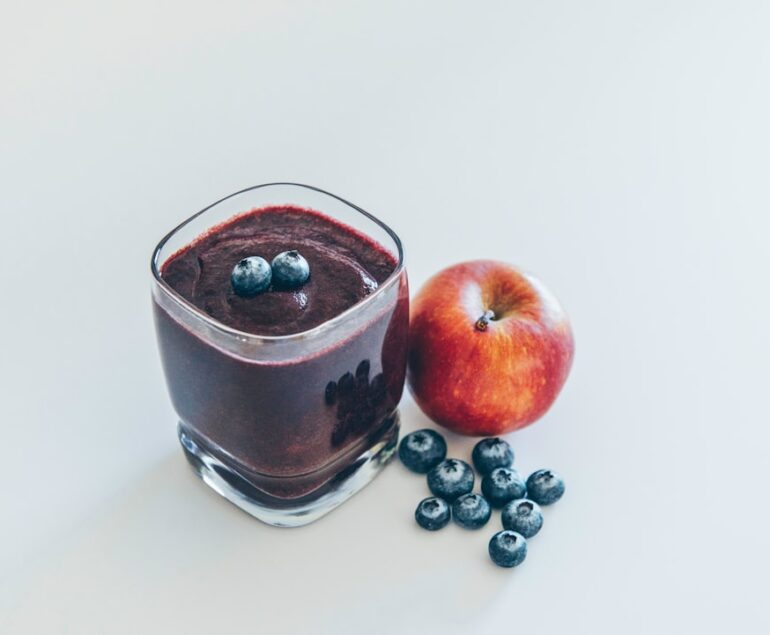
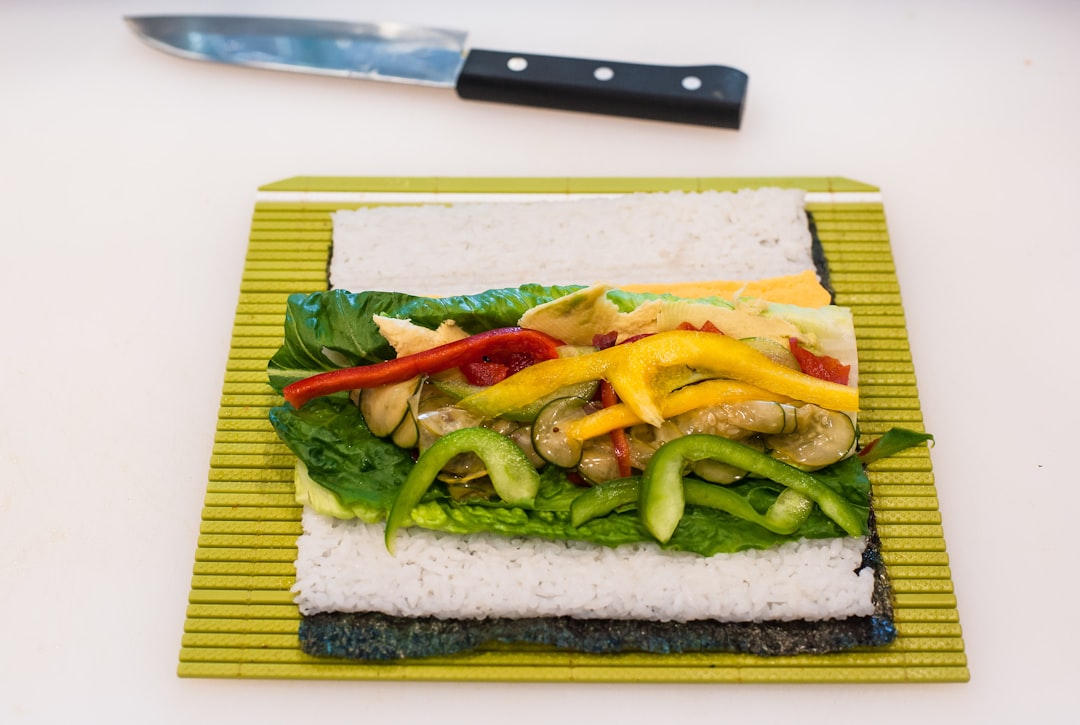
- Eating a balanced diet that includes plenty of fruits, vegetables, whole grains, and lean protein sources
- Incorporating regular physical activity, such as cardio, strength training, and high-intensity interval training (HIIT)
- Getting enough sleep (7-9 hours for adults) and practicing stress-reducing techniques, such as meditation or yoga
- Staying hydrated by drinking plenty of water throughout the day
- Low-carb diets, such as keto or Atkins, which restrict carbohydrate intake and promote fat burning
- Low-fat diets, which emphasize whole grains, fruits, and vegetables, and limit fatty foods
- Intermittent fasting, which involves alternating periods of eating and fasting to promote weight loss and improve insulin sensitivity
- Eating a variety of colorful fruits and vegetables to provide essential vitamins, minerals, and antioxidants
- Incorporating healthy fats, such as avocado, nuts, and seeds, to support hormone production and satiety
- Choosing whole grains, such as brown rice, quinoa, and whole-wheat bread, to provide fiber and B vitamins
- Limiting processed and packaged foods, which are often high in added sugars, salt, and unhealthy fats
- High-intensity interval training (HIIT), which involves short bursts of intense exercise followed by brief periods of rest
- Strength training, which involves using weights or resistance bands to build muscle and boost metabolism
- Yoga or Pilates, which can help improve flexibility, balance, and core strength
- Cardio exercises, such as jogging, cycling, or swimming, which can help burn calories and improve cardiovascular health
- Finding activities that you enjoy and that fit your lifestyle
- Incorporating a mix of cardio, strength training, and flexibility exercises to promote overall fitness
- Listening to your body and honoring its unique needs, whether that means taking rest days or modifying exercises to avoid injury
- Setting realistic goals and tracking your progress to stay motivated and inspired
- Practicing self-compassion and self-forgiveness, rather than self-criticism
- Focusing on progress, not perfection, and celebrating small victories along the way
- Cultivating a growth mindset, which involves embracing challenges and viewing failures as opportunities for growth
- Surrounding yourself with positive, supportive people who encourage and motivate you
- Focus on progress, not perfection, and celebrate small victories along the way
- Adopt a holistic approach that combines healthy eating, regular exercise, and a positive mindset
- Listen to your body and honor its unique needs, whether that means taking rest days or modifying exercises to avoid injury
- Cultivate self-love and self-acceptance, rather than self-criticism and perfectionism
- Surround yourself with positive, supportive people who encourage and motivate you
Nutrition and Weight Loss: Separating Fact from Fiction
When it comes to weight loss, nutrition plays a critical role. With so many fad diets and quick fixes on the market, it can be challenging to separate fact from fiction. The truth is, there is no single “best” diet for weight loss; what works for one person may not work for another. However, there are some fundamental principles that can help guide your nutrition journey. For example, focusing on whole, unprocessed foods like vegetables, fruits, and whole grains can provide essential nutrients, fiber, and satiety. On the other hand, restricting certain food groups or relying on processed meals can lead to nutrient deficiencies and disordered eating patterns.
Some popular weight loss diets include:
While these diets may be effective for some, it’s essential to remember that weight loss is not just about diet; it’s about adopting a sustainable lifestyle that includes regular physical activity, stress management, and self-care. By focusing on whole, nutrient-dense foods and honoring your body’s unique needs, you’ll be better equipped to achieve and maintain a healthy weight. Some key nutrition tips to keep in mind include:
Exercise and Weight Loss: Finding Your Fitness Groove
Regular exercise is a critical component of weight loss, but it’s not just about burning calories; it’s about building strength, endurance, and overall health. When it comes to exercise, there are countless options to choose from, and what works for one person may not work for another. The key is to find activities that you enjoy and that fit your lifestyle, whether it’s walking, running, swimming, or dancing. By incorporating a mix of cardio, strength training, and flexibility exercises, you’ll be better equipped to burn calories, build muscle, and boost your metabolism.
Some popular exercise options for weight loss include:
Remember, exercise is not a one-size-fits-all approach; it’s essential to listen to your body and honor its unique needs. If you’re new to exercise, start with small, achievable goals, such as taking a daily walk or doing a few push-ups each morning. As you progress, you can gradually increase the intensity and duration of your workouts. Some key exercise tips to keep in mind include:
Mindset and Weight Loss: The Power of Positive Thinking
Weight loss is not just about physical transformation; it’s also about mental and emotional growth. By adopting a positive mindset and cultivating self-love, you’ll be better equipped to overcome obstacles, stay motivated, and achieve your weight loss goals. This means focusing on progress, not perfection, and celebrating small victories along the way. It also means being kind to yourself, rather than beating yourself up over setbacks or mistakes.
Some key mindset tips to keep in mind include:
In conclusion, sustainable weight loss is a journey, not a destination. By adopting a holistic approach that combines healthy eating, regular exercise, and a positive mindset, you’ll be better equipped to achieve and maintain a healthy weight. Remember, it’s not about cutting calories or following a restrictive diet; it’s about nourishing your body, honoring its unique needs, and cultivating a deep sense of self-love and self-acceptance. By following the tips and principles outlined in this guide, you’ll be well on your way to unlocking the secrets to sustainable weight loss and achieving your dream body. So, what are you waiting for? Start your weight loss journey today, and get ready to unlock a healthier, happier you!
Key takeaways:
By following these key takeaways and incorporating the tips and principles outlined in this guide, you’ll be well on your way to achieving sustainable weight loss and unlocking a healthier, happier you. Remember, weight loss is a journey, not a destination, and it’s about adopting a lifestyle that promotes overall health, wellness, and self-love. So, what are you waiting for? Start your weight loss journey today, and get ready to unlock a brighter, healthier future!