Are you one of the millions of people worldwide living with high blood pressure? If so, you’re not alone. According to the World Health Organization (WHO), approximately 1.13 billion people globally suffer from hypertension, which is a leading cause of cardiovascular disease, stroke, and kidney disease. The good news is that you can reduce blood pressure naturally through a combination of lifestyle modifications, dietary changes, and stress management techniques. In this article, we’ll delve into the world of natural blood pressure reduction, exploring the most effective ways to lower your blood pressure and improve your overall health.
Understanding Blood Pressure: The Basics
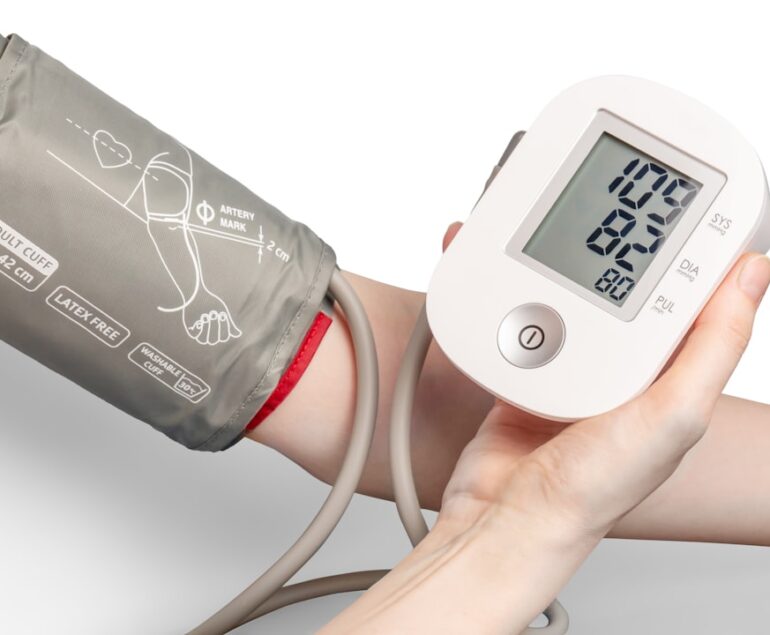
Before we dive into the natural remedies, it’s essential to understand what blood pressure is and how it affects our bodies. Blood pressure is the force exerted by blood against the walls of our blood vessels as it circulates throughout our body. It’s measured in millimeters of mercury (mmHg) and consists of two numbers: systolic (the top number) and diastolic (the bottom number). A normal blood pressure reading is typically around 120/80 mmHg. When your blood pressure is consistently high, it can lead to damage in your blood vessels, heart, and kidneys, increasing the risk of cardiovascular disease.
To understand the impact of high blood pressure, let’s look at some alarming statistics. In the United States alone, high blood pressure affects over 100 million adults, with many more at risk due to factors such as obesity, physical inactivity, and a diet high in sodium and sugar. The economic burden of high blood pressure is also significant, with estimated annual costs exceeding $50 billion. By taking control of your blood pressure, you can reduce your risk of developing these conditions and improve your overall quality of life.
Dietary Changes to Reduce Blood Pressure
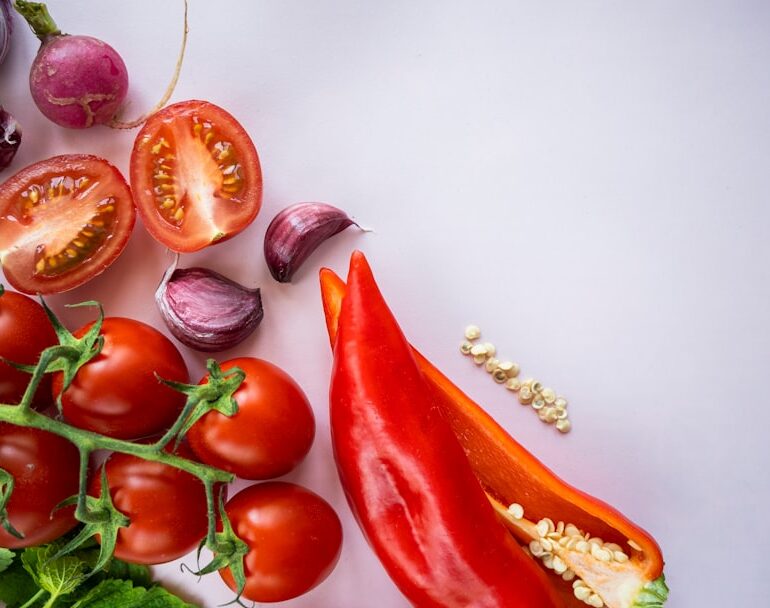
The food we eat plays a significant role in our blood pressure levels. A diet rich in fruits, vegetables, whole grains, and lean protein can help lower blood pressure, while a diet high in processed foods, sodium, and sugar can exacerbate the condition. Here are some dietary changes you can make to reduce your blood pressure:
- Increase potassium intake: Potassium helps balance sodium in the body, which can help lower blood pressure. Include potassium-rich foods like bananas, leafy greens, and sweet potatoes in your diet.
- Eat more omega-3 fatty acids: Omega-3 fatty acids, found in fatty fish like salmon and sardines, can help reduce inflammation and lower blood pressure.
- Reduce sodium intake: Limit your sodium intake to less than 2,300 milligrams per day, and aim for even lower if you’re sensitive to sodium.
- Incorporate calcium and magnesium: Calcium and magnesium are essential minerals that can help lower blood pressure. Include calcium-rich foods like dairy products, leafy greens, and fortified plant-based milk, and magnesium-rich foods like dark chocolate, nuts, and seeds.
- Try the DASH diet: The DASH (Dietary Approaches to Stop Hypertension) diet is a well-studied eating plan that has been shown to lower blood pressure. It emphasizes whole grains, fruits, vegetables, lean protein, and low-fat dairy products.
- Exercise regularly: Regular physical activity can help lower blood pressure and improve overall cardiovascular health. Aim for at least 30 minutes of moderate-intensity exercise per day, such as brisk walking, cycling, or swimming.
- Manage stress: Chronic stress can raise blood pressure, so it’s essential to find healthy ways to manage stress, such as meditation, yoga, or deep breathing exercises.
- Get enough sleep: Poor sleep quality and duration can increase blood pressure, so aim for 7-8 hours of sleep per night.
- Quit smoking: Smoking is a significant risk factor for high blood pressure, so quitting can help lower your blood pressure and improve overall health.
- Limit alcohol consumption: Excessive alcohol consumption can raise blood pressure, so limit your intake to no more than one drink per day for women and two drinks per day for men.
- Coenzyme Q10 (CoQ10): CoQ10 is an antioxidant that can help lower blood pressure and improve heart health.
- Fish oil: Fish oil supplements contain omega-3 fatty acids, which can help reduce inflammation and lower blood pressure.
- Garlic: Garlic has natural blood-thinning properties and can help lower blood pressure.
- Hawthorn: Hawthorn is a herb that has been shown to lower blood pressure and improve cardiovascular health.
- Acupuncture: Acupuncture is a traditional Chinese medicine technique that involves inserting small needles into specific points on the body. It has been shown to lower blood pressure and improve overall health.
- Dietary changes, such as increasing potassium intake and reducing sodium consumption, can help lower blood pressure.
- Lifestyle modifications, such as regular exercise and stress management, can also reduce blood pressure.
- Natural supplements and remedies, such as CoQ10 and fish oil, may be helpful in reducing blood pressure.
- Getting enough sleep, quitting smoking, and limiting alcohol consumption are also essential for reducing blood pressure.
- Consult with your healthcare provider before starting any new supplements or remedies, and monitor your blood pressure regularly to track your progress.
In addition to these dietary changes, it’s essential to stay hydrated by drinking plenty of water throughout the day. Aim for at least eight glasses of water per day, and limit your intake of sugary drinks and caffeine, which can increase blood pressure.
Lifestyle Modifications for Blood Pressure Reduction
In addition to dietary changes, lifestyle modifications can also play a significant role in reducing blood pressure. Here are some changes you can make:
By incorporating these lifestyle modifications into your daily routine, you can significantly reduce your blood pressure and improve your overall health. Remember, it’s essential to consult with your healthcare provider before starting any new exercise or stress management program.
Natural Supplements and Remedies
While lifestyle modifications and dietary changes are essential for reducing blood pressure, some natural supplements and remedies may also be helpful. Here are a few options:
When considering natural supplements and remedies, it’s essential to consult with your healthcare provider to ensure they won’t interact with any medications you’re taking or exacerbate any underlying health conditions.
Conclusion and Key Takeaways
Reducing blood pressure naturally requires a comprehensive approach that incorporates dietary changes, lifestyle modifications, and stress management techniques. By following the tips outlined in this article, you can take control of your blood pressure and improve your overall health. Remember to consult with your healthcare provider before starting any new exercise or stress management program, and to monitor your blood pressure regularly to track your progress.
Key takeaways:
By following these tips and taking control of your blood pressure, you can reduce your risk of developing cardiovascular disease, stroke, and kidney disease, and improve your overall quality of life. Remember, reducing blood pressure naturally is a journey that requires patience, dedication, and a willingness to make lasting lifestyle changes. With the right approach and support, you can achieve a healthier, happier you.