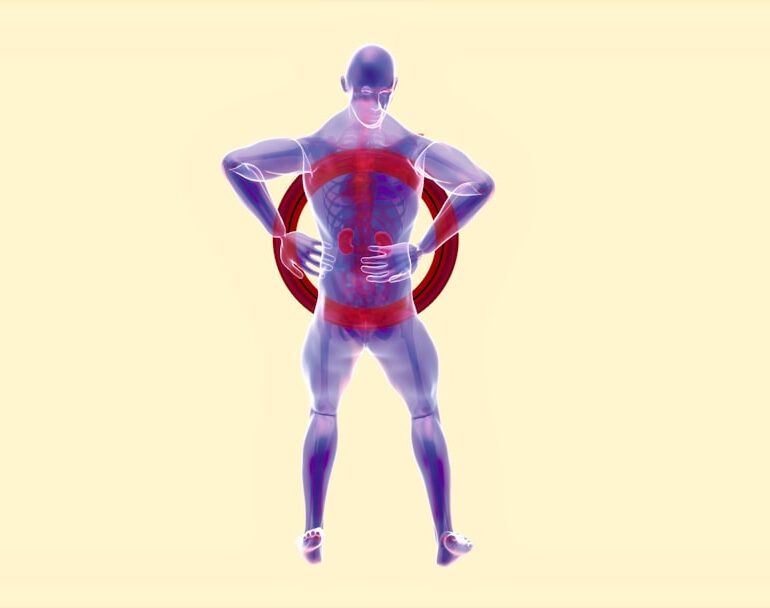
Are you aware that cardiovascular disease (CVD) is the leading cause of death worldwide, accounting for over 17.9 million deaths per year? This staggering statistic is a harsh reminder that heart health is not just a personal concern, but a global epidemic that demands attention and action. As we delve into the world of cardiovascular disease, you’ll discover the risks, symptoms, and prevention strategies that can help you take control of your heart health and reduce your risk of becoming a statistic. In this comprehensive guide, we’ll explore the intricacies of CVD, from its causes and symptoms to diagnosis, treatment, and prevention, empowering you with the knowledge to make informed decisions about your well-being.
Understanding Cardiovascular Disease: Causes, Symptoms, and Risk Factors
Cardiovascular disease is a broad term that encompasses a range of conditions affecting the heart and blood vessels, including coronary artery disease, heart failure, arrhythmias, and stroke. At its core, CVD is often the result of a combination of genetic, lifestyle, and environmental factors that contribute to the narrowing or blockage of blood vessels, ultimately leading to a reduction in blood flow to the heart, brain, and other vital organs. Some of the most significant risk factors for CVD include:
- High blood pressure (hypertension)
- High cholesterol (hyperlipidemia)
- Diabetes
- Smoking
- Obesity
- Physical inactivity
- Poor diet
- Family history of CVD
- Chest pain (angina) or discomfort
- Shortness of breath
- Pain or weakness in the arms or legs
- Dizziness or lightheadedness
- Fatigue
- Swelling in the feet, ankles, or hands
- Medications: to lower blood pressure, cholesterol, or blood sugar levels
- Lifestyle modifications: such as adopting a heart-healthy diet, increasing physical activity, or quitting smoking
- Surgical procedures: like angioplasty, stenting, or coronary artery bypass grafting (CABG)
- Cardiac rehabilitation: a supervised program to help you recover and manage your condition
- Eat a heart-healthy diet: rich in fruits, vegetables, whole grains, lean proteins, and healthy fats
- Exercise regularly: aim for at least 150 minutes of moderate-intensity aerobic activity or 75 minutes of vigorous-intensity aerobic activity per week
- Maintain a healthy weight: through a combination of diet and exercise
- Don’t smoke: or use tobacco products, and avoid exposure to secondhand smoke
- Manage stress: through techniques like meditation, yoga, or deep breathing exercises
- Get enough sleep: aim for 7-8 hours per night to help regulate stress hormones and support overall health
- CVD is a leading cause of death worldwide, but many cases can be prevented or managed through lifestyle modifications
- Recognizing symptoms and seeking medical attention early on is crucial for effective treatment and prevention of long-term damage
- A comprehensive approach to diagnosis and treatment, including medical interventions and lifestyle changes, can help manage CVD and improve overall quality of life
- Prevention strategies, such as a heart-healthy diet, regular exercise, and stress management, can significantly reduce the risk of developing CVD
Recognizing the symptoms of CVD is crucial, as it can help you seek medical attention early on, potentially preventing long-term damage or even death. Common symptoms of CVD include:
If you’re experiencing any of these symptoms, it’s essential to consult with your healthcare provider, who can perform diagnostic tests, such as electrocardiograms (ECGs), echocardiograms, or blood tests, to determine the underlying cause and develop an effective treatment plan.
Diagnosis and Treatment: A Comprehensive Approach to Managing CVD
Diagnosing CVD often involves a combination of physical exams, medical history, and diagnostic tests. Your healthcare provider may use various imaging techniques, such as computed tomography (CT) scans or magnetic resonance imaging (MRI), to visualize the heart and blood vessels, identifying any blockages or abnormalities. Once a diagnosis is made, treatment options may include:
It’s essential to work closely with your healthcare provider to develop a personalized treatment plan that addresses your unique needs and health status. By combining medical interventions with lifestyle changes, you can significantly reduce your risk of complications and improve your overall quality of life.
Prevention Strategies: Taking Control of Your Heart Health
While CVD can be a daunting diagnosis, the good news is that many cases can be prevented or managed through simple yet effective lifestyle modifications. By incorporating the following strategies into your daily routine, you can significantly reduce your risk of developing CVD:
In addition to these lifestyle changes, regular health check-ups and screenings can help identify potential risk factors and detect CVD early on, when it’s more treatable. By taking a proactive approach to your heart health, you can empower yourself with the knowledge and tools necessary to prevent or manage CVD, ensuring a longer, healthier life.
Conclusion: Key Takeaways and Next Steps
In conclusion, cardiovascular disease is a complex and multifaceted condition that demands attention, awareness, and action. By understanding the causes, symptoms, and risk factors associated with CVD, you can take the first steps towards protecting your heart health and reducing your risk of complications. Remember, prevention is key, and by incorporating simple yet effective lifestyle modifications into your daily routine, you can significantly lower your risk of developing CVD.
Key takeaways from this comprehensive guide include:
As you embark on your journey to better heart health, remember that every small step counts, and it’s never too late to make a positive change. By prioritizing your well-being and taking control of your heart health, you can reduce your risk of CVD and enjoy a longer, healthier, and happier life. So, take the first step today, and join the millions of people worldwide who are committed to protecting their heart health and living a life free from the grip of cardiovascular disease.