Are you tired of feeling like you’re stuck in a cycle of medication and doctor’s appointments to manage your cholesterol levels? Do you want to take control of your heart health and lower your cholesterol naturally? You’re not alone. Millions of people around the world are seeking alternative solutions to reduce their reliance on prescription medications and adopt a more holistic approach to wellness. In this article, we’ll delve into the world of natural cholesterol reduction, exploring the most effective ways to lower your cholesterol levels without sacrificing your lifestyle.
Understanding Cholesterol: The Good, the Bad, and the Ugly
Before we dive into the nitty-gritty of natural cholesterol reduction, it’s essential to understand the basics of cholesterol and its role in our bodies. Cholesterol is a type of fat found in the bloodstream, which is necessary for the production of hormones, vitamin D, and cell membranes. However, when cholesterol levels become too high, it can lead to the formation of plaque in the arteries, increasing the risk of heart disease, stroke, and other cardiovascular conditions. There are two main types of cholesterol: low-density lipoprotein (LDL) or “bad” cholesterol, and high-density lipoprotein (HDL) or “good” cholesterol. LDL cholesterol is responsible for transporting cholesterol to the cells, while HDL cholesterol helps remove excess cholesterol from the bloodstream.
To lower cholesterol naturally, it’s crucial to focus on reducing LDL levels while increasing HDL levels. This can be achieved through a combination of dietary changes, lifestyle modifications, and natural supplements. By understanding the intricacies of cholesterol and its impact on our health, we can make informed decisions about our diet, exercise routine, and overall lifestyle.
Dietary Changes for a Healthier Heart
When it comes to lowering cholesterol naturally, dietary changes play a vital role. By incorporating cholesterol-lowering foods into your diet and avoiding those that can raise LDL levels, you can significantly reduce your risk of heart disease. Here are some of the most effective dietary changes you can make:
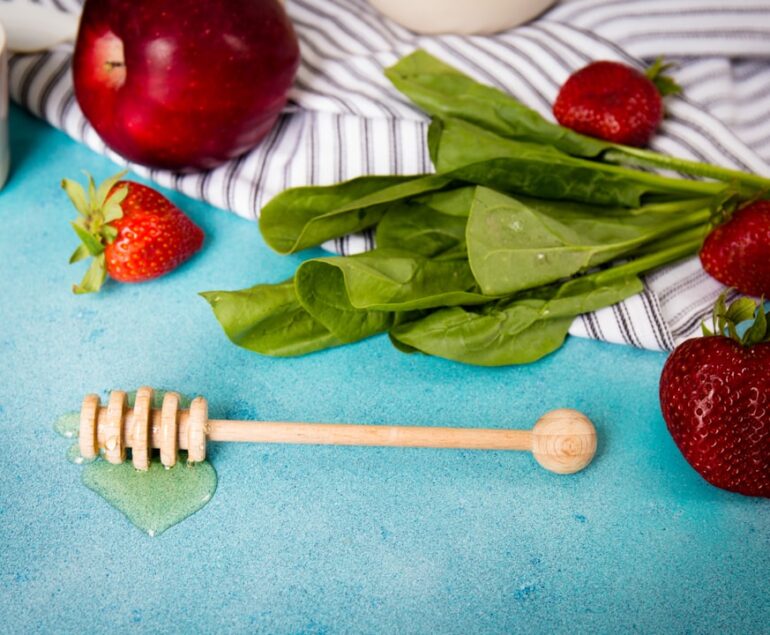
- Increase your soluble fiber intake: Soluble fiber, found in foods like oats, barley, fruits, and vegetables, can help lower LDL cholesterol levels by binding to bile acids and removing them from the body. Aim for 25-30 grams of soluble fiber per day.
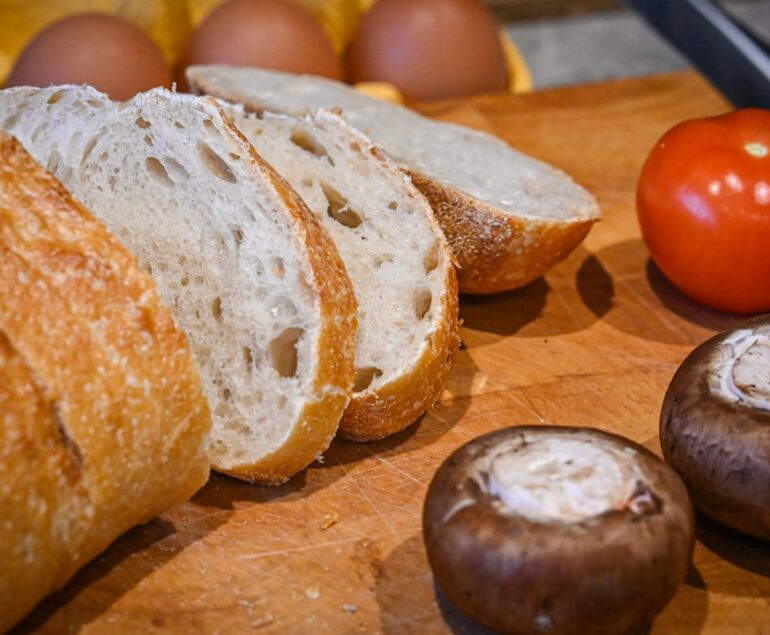
- Choose healthy fats: Avocados, nuts, and olive oil are rich in healthy fats that can help raise HDL cholesterol levels and lower LDL levels. Use these foods as a replacement for saturated and trans fats.
- Eat more plant-based protein: Plant-based protein sources like beans, lentils, and tofu can help lower LDL cholesterol levels and improve overall heart health. Aim for 2-3 servings per day.
- Limit your intake of saturated and trans fats: Saturated and trans fats, found in foods like red meat, full-fat dairy products, and processed snacks, can raise LDL cholesterol levels and increase the risk of heart disease. Limit your intake of these foods or avoid them altogether.
- Aim for 150 minutes of moderate-intensity exercise per week: Regular exercise can help raise HDL cholesterol levels and lower LDL levels. Try activities like brisk walking, cycling, or swimming.
- Incorporate strength training into your routine: Strength training can help improve insulin sensitivity and lower LDL cholesterol levels. Aim for 2-3 sessions per week.
- Practice stress-reducing techniques: Chronic stress can raise LDL cholesterol levels and increase the risk of heart disease. Try practices like meditation, yoga, or deep breathing exercises.
- Get enough sleep: Poor sleep quality and duration can disrupt cholesterol levels and increase the risk of heart disease. Aim for 7-8 hours of sleep per night.
- Plant sterols and stanols: These natural substances, found in foods like fortified margarines and orange juice, can help lower LDL cholesterol levels by blocking the absorption of cholesterol in the gut.
- Fish oil: Rich in omega-3 fatty acids, fish oil can help lower triglycerides and improve overall heart health. Look for a high-quality supplement that contains at least 1 gram of combined EPA and DHA per serving.
- Coenzyme Q10 (CoQ10): This antioxidant can help improve energy production in the cells and lower LDL cholesterol levels. Aim for 100-200 mg per day.
- Garlic: Garlic has been shown to have a natural cholesterol-lowering effect, thanks to its ability to inhibit the formation of plaque in the arteries. Consume 1-2 cloves per day or take a supplement that contains at least 1,000 mg of garlic extract per serving.
- Dietary changes, such as increasing soluble fiber intake and choosing healthy fats, can help lower LDL cholesterol levels.
- Regular exercise and lifestyle modifications, such as stress-reducing techniques and getting enough sleep, can help raise HDL cholesterol levels and lower LDL levels.
- Natural supplements, such as plant sterols and stanols, fish oil, CoQ10, and garlic, can support cholesterol reduction.
- Every small change counts – start with one or two modifications and gradually work your way up to a healthier, more balanced lifestyle.
- Consult with your healthcare provider before making any significant changes to your diet, exercise routine, or supplement regimen.
By making these dietary changes, you can significantly reduce your cholesterol levels and improve your overall heart health. Remember, it’s all about balance and variety – focus on incorporating a wide range of whole, unprocessed foods into your diet.
Exercise and Lifestyle Modifications for a Healthier Heart
Regular exercise and lifestyle modifications can also play a significant role in lowering cholesterol naturally. Here are some effective ways to get started:
By incorporating these exercise and lifestyle modifications into your daily routine, you can significantly reduce your cholesterol levels and improve your overall heart health. Remember, every small change counts – start with one or two modifications and gradually work your way up to a healthier, more balanced lifestyle.
Natural Supplements for Cholesterol Reduction
While dietary changes and lifestyle modifications are essential for lowering cholesterol naturally, natural supplements can also play a supporting role. Here are some of the most effective natural supplements for cholesterol reduction:
Remember, while natural supplements can be effective, they should not replace a healthy diet and lifestyle. Always consult with your healthcare provider before adding any new supplements to your routine.
Conclusion: Taking Control of Your Cholesterol Levels
Lowering cholesterol naturally is a journey that requires patience, dedication, and a willingness to make lasting changes to your lifestyle. By incorporating the dietary changes, exercise and lifestyle modifications, and natural supplements outlined in this article, you can significantly reduce your cholesterol levels and improve your overall heart health. Remember, every small change counts – start with one or two modifications and gradually work your way up to a healthier, more balanced lifestyle. With the right approach and mindset, you can take control of your cholesterol levels and enjoy a longer, healthier life.
Key takeaways:
By following these tips and taking control of your cholesterol levels, you can enjoy a healthier, happier life and reduce your risk of heart disease. So why wait? Start your journey to lower cholesterol naturally today!