Are you one of the millions of people struggling with high cholesterol levels? Do you feel like you’re stuck in a vicious cycle of medication and doctor’s appointments, with no end in sight? Well, we’ve got some good news for you: it is possible to lower cholesterol naturally, without relying on prescription medications or drastic lifestyle changes. In this article, we’ll explore the best ways to reduce your cholesterol levels, from dietary changes to stress-reducing techniques, and provide you with a comprehensive guide to a healthier heart.
Understanding Cholesterol: The Good, the Bad, and the Ugly
Before we dive into the nitty-gritty of lowering cholesterol naturally, it’s essential to understand what cholesterol is and how it affects our bodies. Cholesterol is a type of fat found in the bloodstream, and it plays a crucial role in various bodily functions, such as hormone production and cell membrane structure. However, when cholesterol levels become too high, it can increase the risk of heart disease, strokes, and other cardiovascular conditions. There are two main types of cholesterol: low-density lipoprotein (LDL) or “bad” cholesterol, and high-density lipoprotein (HDL) or “good” cholesterol. LDL cholesterol can build up in the arteries, forming plaque and increasing the risk of heart disease, while HDL cholesterol helps remove excess cholesterol from the bloodstream, reducing the risk of cardiovascular disease.
To lower cholesterol naturally, it’s essential to focus on reducing LDL levels while increasing HDL levels. This can be achieved through a combination of dietary changes, lifestyle modifications, and stress-reducing techniques. For example, incorporating foods high in soluble fiber, such as oats, barley, and fruits, can help reduce LDL levels by binding to bile acids and removing them from the body. Exercise, on the other hand, can help raise HDL levels by improving insulin sensitivity and boosting cardiovascular health.
Dietary Changes: The Key to Lowering Cholesterol Naturally
Diet plays a significant role in maintaining healthy cholesterol levels. By making a few simple changes to your diet, you can significantly reduce your risk of heart disease and lower your cholesterol levels. Here are some dietary tips to get you started:
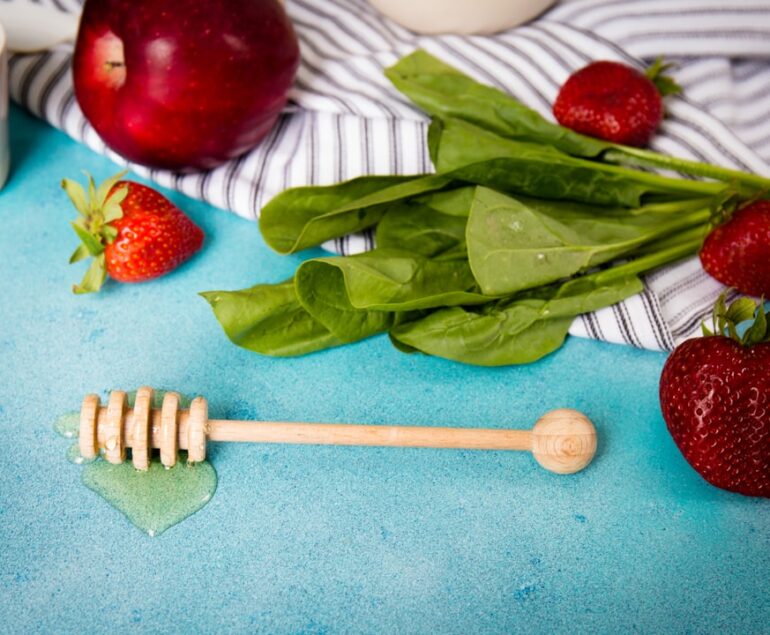
- Increase your intake of soluble fiber: Foods high in soluble fiber, such as oats, barley, fruits, and vegetables, can help lower LDL levels by binding to bile acids and removing them from the body.
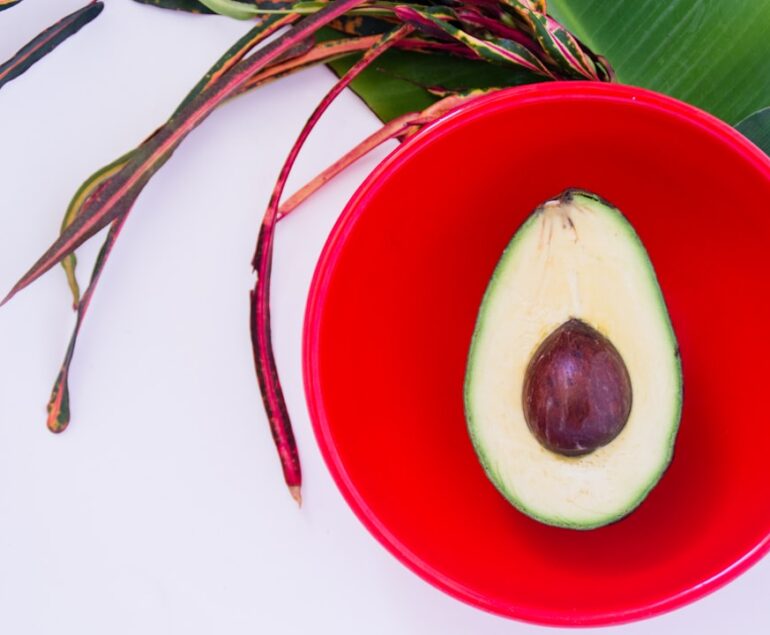
- Choose healthy fats: Avocados, nuts, and olive oil are rich in healthy fats that can help raise HDL levels and reduce LDL levels.
- Opt for plant-based protein sources: Plant-based protein sources, such as beans, lentils, and tofu, are low in saturated fat and high in fiber, making them an excellent choice for lowering cholesterol levels.
- Limit your intake of saturated and trans fats: Saturated and trans fats, found in foods such as red meat, full-fat dairy products, and processed snacks, can increase LDL levels and reduce HDL levels.
- Exercise regularly: Regular exercise can help raise HDL levels, reduce LDL levels, and improve overall cardiovascular health. Aim for at least 30 minutes of moderate-intensity exercise per day, such as brisk walking, cycling, or swimming.
- Reduce stress: Chronic stress can increase cortisol levels, which can raise LDL levels and reduce HDL levels. Engage in stress-reducing activities, such as yoga, meditation, or deep breathing exercises, to help manage stress.
- Get enough sleep: Poor sleep quality and duration can increase the risk of cardiovascular disease. Aim for 7-8 hours of sleep per night and establish a consistent sleep schedule.
- Plant sterols and stanols: These natural substances, found in plants, can help lower LDL levels by reducing the absorption of cholesterol in the gut.
- Fish oil: Fish oil supplements, rich in omega-3 fatty acids, can help reduce inflammation and improve cardiovascular health.
- Coenzyme Q10 (CoQ10): CoQ10, an antioxidant found in cells, can help improve energy production and reduce oxidative stress.
- Increase your intake of soluble fiber, healthy fats, and plant-based protein sources
- Limit your intake of saturated and trans fats, and opt for low-fat dairy products
- Exercise regularly, reduce stress, and get enough sleep
- Consider incorporating supplements and natural remedies, such as plant sterols and stanols, fish oil, and CoQ10
- Stay hydrated by drinking plenty of water and limiting your intake of sugary drinks
In addition to these dietary changes, it’s also essential to stay hydrated by drinking plenty of water and limiting your intake of sugary drinks. Aim to drink at least eight glasses of water a day, and consider incorporating herbal teas, such as green tea or hibiscus tea, into your daily routine.
Lifestyle Modifications: Exercise, Stress Reduction, and Sleep
While dietary changes are essential for lowering cholesterol naturally, lifestyle modifications can also play a significant role. Here are some lifestyle changes you can make to reduce your cholesterol levels:
In addition to these lifestyle modifications, it’s also essential to quit smoking and limit your intake of alcohol. Smoking can significantly increase the risk of heart disease, while excessive alcohol consumption can raise LDL levels and reduce HDL levels.
Supplements and Natural Remedies: A Closer Look
While dietary changes and lifestyle modifications are essential for lowering cholesterol naturally, supplements and natural remedies can also play a role. Here are some supplements and natural remedies you may want to consider:
However, it’s essential to consult with your healthcare provider before taking any supplements or natural remedies, as they may interact with medications or have adverse effects in certain individuals.
Conclusion: Key Takeaways for Lowering Cholesterol Naturally
Lowering cholesterol naturally requires a comprehensive approach that incorporates dietary changes, lifestyle modifications, and stress-reducing techniques. By following these tips, you can significantly reduce your risk of heart disease and lower your cholesterol levels. Remember to:
By making these changes, you can take control of your cholesterol levels and reduce your risk of heart disease. Remember, it’s all about making sustainable lifestyle changes that promote overall health and well-being. So, start today, and take the first step towards a healthier heart!