Are you one of the millions of people worldwide who are at risk of developing heart disease? If so, you’re not alone. According to the World Health Organization (WHO), heart disease is the leading cause of death globally, accounting for over 17.9 million deaths per year. However, the good news is that regular exercise can significantly reduce your risk of developing heart disease and improve your overall cardiovascular health. In this comprehensive guide, we’ll explore the benefits of exercise for heart strength, discuss the best types of exercises for a healthy heart, and provide you with a workout plan to get you started.
Understanding the Importance of Heart Health
Your heart is a remarkable organ that works tirelessly to pump blood throughout your body, supplying your muscles and organs with the oxygen and nutrients they need to function properly. However, with age, a poor diet, and a sedentary lifestyle, your heart can become weaker, increasing your risk of developing heart disease. Regular exercise is essential for maintaining a healthy heart, as it helps to strengthen your heart muscle, improve blood flow, and lower your blood pressure. Exercise also helps to reduce your risk of developing other health conditions, such as diabetes, obesity, and certain types of cancer.
When it comes to exercise for heart strength, it’s essential to understand the different types of exercises that can benefit your heart health. Aerobic exercises, such as running, cycling, and swimming, are excellent for improving cardiovascular health, as they raise your heart rate and increase blood flow. Resistance training, on the other hand, can help to strengthen your heart muscle, improving its ability to pump blood efficiently. High-intensity interval training (HIIT) is another effective way to improve heart health, as it involves short bursts of intense exercise followed by brief periods of rest.
Creating a Workout Plan for Heart Strength
So, how can you get started with an exercise routine that will improve your heart strength? The first step is to consult with your doctor, especially if you have any underlying health conditions or concerns. Once you’ve got the green light, it’s time to create a workout plan that includes a combination of aerobic exercises, resistance training, and HIIT. Here are some tips to help you get started:
- Start with short, manageable sessions: If you’re new to exercise, start with short sessions of 20-30 minutes, 2-3 times per week. As you become more comfortable, you can gradually increase the duration and frequency of your workouts.
- Incorporate aerobic exercises: Activities like brisk walking, jogging, cycling, and swimming are excellent for improving cardiovascular health. Aim for at least 150 minutes of moderate-intensity aerobic exercise per week.
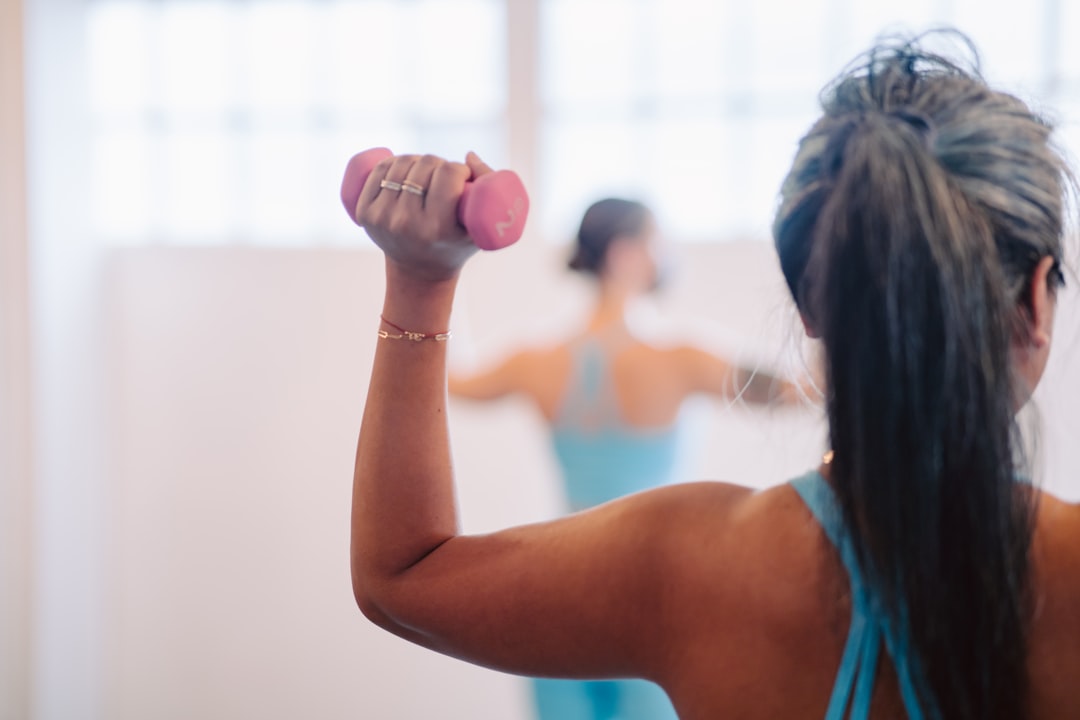
- Add resistance training: Incorporate strength training exercises into your routine, such as weightlifting, bodyweight exercises, or resistance band exercises. Aim for 2-3 sessions per week, targeting all major muscle groups.
- Include HIIT: HIIT is an excellent way to improve heart health, as it involves short bursts of intense exercise followed by brief periods of rest. Aim for 2-3 HIIT sessions per week, incorporating exercises like sprints, burpees, or jump squats.
- Brisk walking: Walking quickly at a pace of 3-4 miles per hour or faster can help to raise your heart rate and improve cardiovascular health.
- Swimming: Swimming is a low-impact exercise that’s easy on the joints, making it an excellent option for people with mobility issues or chronic pain.
- Cycling: Stationary cycling or using a recumbent bike can help to improve cardiovascular health, while also strengthening your legs and glutes.
- Bodyweight exercises: Exercises like push-ups, squats, and lunges can help to strengthen your muscles, while also improving heart health.
- Find an exercise buddy: Exercising with a friend or family member can help to keep you motivated and accountable.
- Schedule it in: Treat exercise as a non-negotiable part of your daily routine, just like brushing your teeth or taking a shower.
- Track your progress: Use a fitness tracker, journal, or mobile app to track your workouts and monitor your progress.
- Reward yourself: Set small rewards for yourself after reaching certain milestones, such as completing a certain number of workouts or reaching a new personal best.
- Warm up and cool down: Always start and end your workouts with a gentle warm-up and cool-down, such as stretching or light cardio.
- Listen to your body: If you experience any pain or discomfort, stop immediately and rest.
- Stay hydrated: Drink plenty of water before, during, and after your workouts to stay hydrated and avoid dehydration.
- Consult with a professional: If you have any underlying health conditions or concerns, consult with a doctor or fitness professional before starting a new exercise routine.
- Regular exercise can reduce your risk of developing heart disease and improve cardiovascular health
- Aerobic exercises, resistance training, and HIIT are all effective for improving heart strength
- Start with short, manageable sessions and gradually increase the duration and frequency of your workouts
- Incorporate a variety of exercises into your routine, including brisk walking, swimming, cycling, and bodyweight exercises
- Stay safe while exercising by warming up and cooling down, listening to your body, and staying hydrated.
Some examples of exercises that are great for heart strength include:
Overcoming Barriers to Exercise
One of the biggest challenges to exercising regularly is finding the motivation to get started. Many people struggle with busy schedules, lack of energy, or simply don’t know where to begin. However, with a little creativity and planning, you can overcome these barriers and make exercise a priority. Here are some tips to help you stay motivated:
Staying Safe While Exercising
While exercise is essential for heart health, it’s also important to stay safe while exercising. Here are some tips to help you avoid injury and get the most out of your workouts:
In conclusion, exercise is a powerful tool for improving heart strength and reducing your risk of developing heart disease. By incorporating a combination of aerobic exercises, resistance training, and HIIT into your routine, you can strengthen your heart muscle, improve blood flow, and lower your blood pressure. Remember to start slowly, listen to your body, and stay safe while exercising. With a little motivation and creativity, you can make exercise a priority and improve your overall cardiovascular health. Key takeaways include: