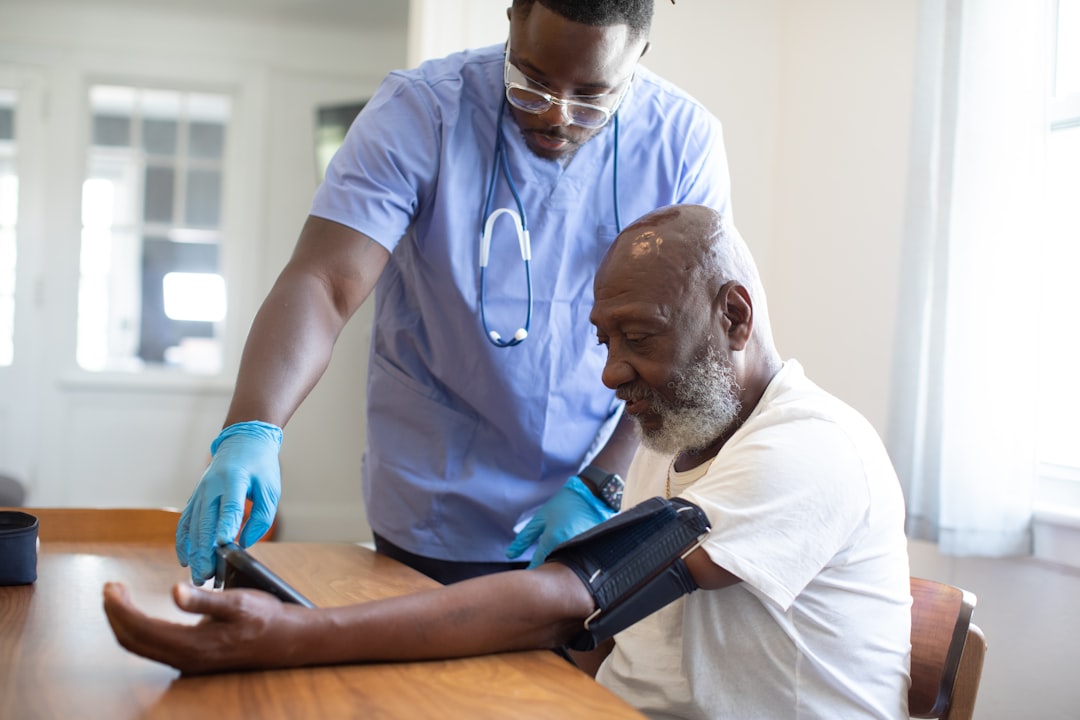
Are you one of the millions of people living with high blood pressure, also known as hypertension? If so, you’re not alone. According to the American Heart Association, over 100 million Americans have high blood pressure, which can lead to serious health complications like heart disease, stroke, and kidney disease. But the good news is that you can reduce blood pressure naturally, without relying on medication. By making a few simple lifestyle changes and incorporating natural remedies into your daily routine, you can lower your numbers and take control of your health. In this comprehensive guide, we’ll explore the best ways to reduce blood pressure naturally, from diet and exercise to stress management and supplements.
Understanding High Blood Pressure: The Risks and Causes
Before we dive into the ways to reduce blood pressure naturally, it’s essential to understand what high blood pressure is and how it affects the body. High blood pressure occurs when the force of blood against the walls of your arteries is too high, causing damage to the blood vessels and increasing the risk of heart disease and stroke. There are several factors that can contribute to high blood pressure, including a poor diet, lack of exercise, stress, and genetics. Some of the most common causes of high blood pressure include:
- Consuming a diet high in sodium, sugar, and saturated fats
- Not getting enough physical activity
- Being overweight or obese
- Smoking and excessive alcohol consumption
- Chronic stress and anxiety
- Family history of high blood pressure
- Leafy greens like spinach and kale, which are rich in potassium and magnesium
- Berries, such as blueberries and strawberries, which are high in antioxidants and fiber
- Fatty fish like salmon and tuna, which are rich in omega-3 fatty acids
- Whole grains like brown rice and quinoa, which are high in fiber and nutrients
- Legumes like lentils and chickpeas, which are rich in protein and fiber
- Aerobic exercises like walking, jogging, and cycling, which get your heart rate up and improve cardiovascular health
- Strength training exercises like weightlifting and bodyweight exercises, which help build muscle and boost metabolism
- High-intensity interval training (HIIT), which involves short bursts of intense exercise followed by brief periods of rest
- Yoga and Pilates, which help improve flexibility and reduce stress
- Meditation and mindfulness, which help calm the mind and reduce stress hormones
- Deep breathing exercises, which help slow down your heart rate and lower blood pressure
- Yoga and tai chi, which combine physical movement with deep breathing and meditation
- Progressive muscle relaxation, which involves tensing and relaxing different muscle groups to release tension
- Coenzyme Q10 (CoQ10), which helps lower blood pressure and improve heart health
- Fish oil, which is rich in omega-3 fatty acids and helps reduce inflammation
- Garlic, which has natural blood-thinning properties and can help lower blood pressure
- Hawthorn, which is a natural vasodilator and can help improve blood flow
- Eat a balanced diet rich in whole foods, fruits, and vegetables
- Get regular exercise, including aerobic and strength training activities
- Practice stress-reducing techniques like meditation and deep breathing
- Get enough sleep and prioritize self-care
- Consider supplements like CoQ10, fish oil, and garlic to help lower blood pressure
To reduce blood pressure naturally, it’s crucial to address these underlying causes and make lifestyle changes that promote overall health and well-being. This includes eating a balanced diet, getting regular exercise, managing stress, and getting enough sleep.
Diet and Nutrition: The Key to Reducing Blood Pressure
What you eat plays a significant role in reducing blood pressure naturally. A diet rich in whole foods, fruits, vegetables, and whole grains can help lower your numbers and improve overall health. Some of the best foods for reducing blood pressure include:
In addition to eating these blood pressure-lowering foods, it’s also essential to limit your intake of sodium, sugar, and saturated fats. The American Heart Association recommends consuming no more than 2,300 milligrams of sodium per day, and ideally no more than 1,500 milligrams if you’re at risk for high blood pressure. You should also aim to limit your daily sugar intake to no more than 25 grams (6 teaspoons) for women and 36 grams (9 teaspoons) for men.
Exercise and Physical Activity: Getting Moving to Lower Blood Pressure
Regular exercise is another critical component of reducing blood pressure naturally. Physical activity helps to strengthen the heart and blood vessels, improving blood flow and lowering blood pressure. Some of the best exercises for reducing blood pressure include:
Aim to get at least 150 minutes of moderate-intensity exercise per week, or 75 minutes of vigorous-intensity exercise per week. You can also incorporate physical activity into your daily routine by taking the stairs instead of the elevator, walking to work, or doing household chores.
Stress Management and Relaxation: Finding Calm in a Busy World
Chronic stress and anxiety can raise blood pressure and increase the risk of heart disease. To reduce blood pressure naturally, it’s essential to find healthy ways to manage stress and promote relaxation. Some of the best stress-reducing techniques include:
In addition to these stress-reducing techniques, it’s also essential to get enough sleep and prioritize self-care. Aim to get 7-8 hours of sleep per night and make time for activities that bring you joy and relaxation, such as reading, listening to music, or spending time with loved ones.
Supplements and Natural Remedies: Additional Ways to Lower Blood Pressure
In addition to diet, exercise, and stress management, there are several supplements and natural remedies that can help reduce blood pressure naturally. Some of the most effective supplements include:
It’s essential to talk to your doctor before taking any supplements, especially if you’re already taking medication for high blood pressure. You should also be aware of potential interactions between supplements and medications, and monitor your blood pressure regularly to ensure that the supplements are working effectively.
Conclusion:
Reducing blood pressure naturally requires a comprehensive approach that incorporates diet, exercise, stress management, and supplements. By making a few simple lifestyle changes and incorporating natural remedies into your daily routine, you can lower your numbers and take control of your health. Remember to:
By following these tips and working with your healthcare provider, you can reduce blood pressure naturally and improve your overall health and well-being. So why wait? Start making changes today and take the first step towards a healthier, happier you.