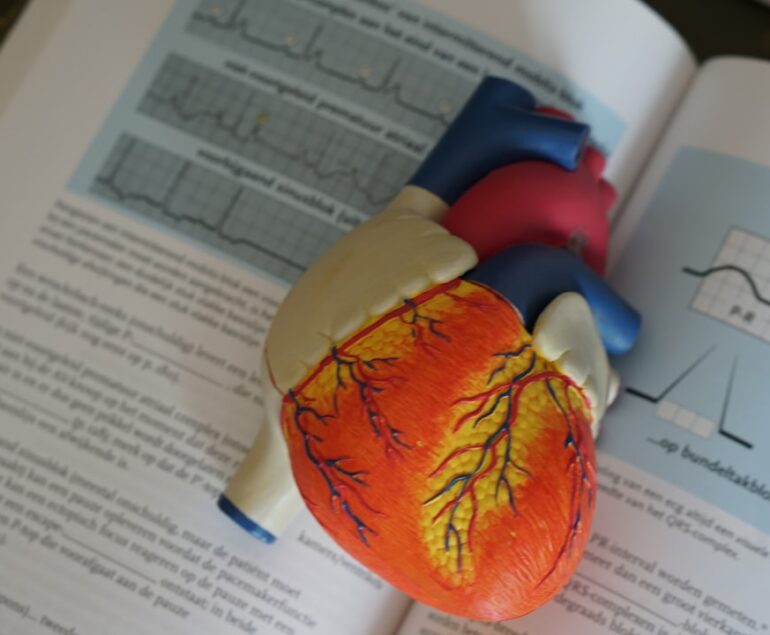
As we go about our daily lives, it’s easy to overlook the health of our most vital organ: the heart. But the truth is, heart disease is a silent killer that claims millions of lives every year. In fact, according to the World Health Organization (WHO), heart disease is the leading cause of death globally, accounting for over 17.9 million deaths per year. That’s a staggering number, and it’s a wake-up call for all of us to take our heart health seriously. In this comprehensive guide, we’ll delve into the world of heart disease, exploring its causes, symptoms, risk factors, and most importantly, ways to prevent and manage it.
Understanding Heart Disease: Causes and Symptoms
Heart disease, also known as cardiovascular disease, refers to a range of conditions that affect the heart and blood vessels. It’s a complex and multifaceted condition that can be caused by a combination of genetic, lifestyle, and environmental factors. Some of the most common causes of heart disease include high blood pressure, high cholesterol, smoking, obesity, and diabetes. These conditions can damage the heart and blood vessels, leading to a range of symptoms, including chest pain, shortness of breath, fatigue, and swelling in the legs and feet.
One of the most common types of heart disease is coronary artery disease, which occurs when the arteries that supply blood to the heart become narrowed or blocked. This can lead to a heart attack, which is a medical emergency that requires immediate attention. Other types of heart disease include heart failure, arrhythmias, and valve disorders. It’s essential to recognize the symptoms of heart disease and seek medical attention if you experience any of the following:
- Chest pain or discomfort that lasts for more than a few minutes
- Shortness of breath or difficulty breathing
- Pain or discomfort in the arms, back, neck, jaw, or stomach
- Feeling weak, lightheaded, or faint
- Swelling in the legs, feet, or ankles
- Age: The risk of heart disease increases with age, with most people developing the condition after the age of 65.
- Family history: If you have a family history of heart disease, you’re more likely to develop the condition.
- Smoking: Smoking is a significant risk factor for heart disease, as it damages the heart and blood vessels.
- High blood pressure: High blood pressure can damage the heart and blood vessels, increasing the risk of heart disease.
- High cholesterol: High levels of low-density lipoprotein (LDL) cholesterol can increase the risk of heart disease.
- Obesity: Being overweight or obese can increase the risk of heart disease, as it puts extra strain on the heart and blood vessels.
- Diabetes: People with diabetes are more likely to develop heart disease, as high blood sugar levels can damage the heart and blood vessels.
- Eat a heart-healthy diet: Focus on eating plenty of fruits, vegetables, whole grains, and lean protein sources. Avoid sugary drinks, saturated fats, and refined carbohydrates.
- Exercise regularly: Aim for at least 150 minutes of moderate-intensity exercise per week, or 75 minutes of vigorous-intensity exercise per week.
- Quit smoking: Smoking is a significant risk factor for heart disease, so quitting is essential.
- Manage stress: Chronic stress can increase the risk of heart disease, so find healthy ways to manage stress, such as meditation, yoga, or deep breathing exercises.
- Get enough sleep: Aim for 7-8 hours of sleep per night to help manage stress and reduce the risk of heart disease.
- Stay connected: Social isolation can increase the risk of heart disease, so stay connected with friends and family, and consider joining a social group or club.
- Staying active: Regular exercise can help improve your heart health and reduce the risk of complications.
- Eating a healthy diet: Focus on eating plenty of fruits, vegetables, whole grains, and lean protein sources.
- Managing stress: Find healthy ways to manage stress, such as meditation, yoga, or deep breathing exercises.
- Getting enough sleep: Aim for 7-8 hours of sleep per night to help manage stress and reduce the risk of complications.
- Staying connected: Social isolation can increase the risk of complications, so stay connected with friends and family, and consider joining a social group or club.
- Heart disease is a leading cause of death globally, but it’s largely preventable.
- Making healthy lifestyle choices, such as eating a heart-healthy diet, exercising regularly, and quitting smoking, can significantly reduce the risk of heart disease.
- Managing risk factors, such as high blood pressure, high cholesterol, and diabetes, is essential to reducing the risk of heart disease.
- Working with your healthcare provider to develop a treatment plan can help you manage your condition and improve your quality of life.
- Staying informed about your condition, asking questions, and taking control of your heart health is essential to managing heart disease and improving your overall health and well-being.
Risk Factors: Who’s at Risk and Why
While heart disease can affect anyone, there are certain risk factors that increase your likelihood of developing the condition. Some of the most significant risk factors include:
It’s essential to be aware of these risk factors and take steps to manage them. This can include making lifestyle changes, such as quitting smoking, exercising regularly, and eating a healthy diet. You can also work with your healthcare provider to manage conditions like high blood pressure, high cholesterol, and diabetes.
Prevention and Management: Taking Control of Your Heart Health
While heart disease is a serious condition, there’s good news: it’s largely preventable. By making healthy lifestyle choices and managing risk factors, you can significantly reduce your risk of developing heart disease. Here are some tips to get you started:
In addition to lifestyle changes, there are also medical treatments available to manage heart disease. These can include medications to lower blood pressure and cholesterol, as well as procedures like angioplasty and stenting to open up blocked arteries. It’s essential to work with your healthcare provider to develop a treatment plan that’s right for you.
Living with Heart Disease: Managing Your Condition and Improving Your Quality of Life
If you’ve been diagnosed with heart disease, it’s essential to work with your healthcare provider to manage your condition and improve your quality of life. This can include making lifestyle changes, taking medications as prescribed, and attending regular check-ups with your healthcare provider. It’s also essential to stay informed about your condition and ask questions if you’re unsure about anything.
In addition to medical treatment, there are also many lifestyle changes you can make to manage your heart disease and improve your overall health. These can include:
Conclusion:
Heart disease is a serious condition that claims millions of lives every year. But the good news is that it’s largely preventable. By making healthy lifestyle choices, managing risk factors, and working with your healthcare provider, you can significantly reduce your risk of developing heart disease. Remember, it’s essential to stay informed about your condition, ask questions if you’re unsure about anything, and take control of your heart health. By doing so, you can improve your overall health and well-being, and reduce the risk of complications. So, take the first step today, and start living a heart-healthy lifestyle. Your heart will thank you.
Some of the key takeaways from this article include:
By following these tips and taking control of your heart health, you can reduce your risk of heart disease and improve your overall health and well-being. Remember, your heart is in your hands, so take care of it.