Are you tired of feeling like you’re stuck with high cholesterol, forced to rely on medications to keep your levels in check? The good news is that you have the power to take control of your cholesterol levels and improve your overall heart health – naturally. With a few simple lifestyle changes and dietary tweaks, you can lower your cholesterol and reduce your risk of heart disease. In this article, we’ll explore the best ways to lower cholesterol naturally, from the foods you eat to the exercises you do.
Understanding Cholesterol and Its Impact on Heart Health
Before we dive into the ways to lower cholesterol naturally, it’s essential to understand what cholesterol is and how it affects your heart health. Cholesterol is a type of fat found in your blood, and it’s necessary for various bodily functions, such as building and maintaining cell membranes. However, when your cholesterol levels become too high, it can lead to the buildup of plaque in your arteries, increasing your risk of heart disease and stroke. There are two main types of cholesterol: low-density lipoprotein (LDL) cholesterol, also known as “bad” cholesterol, and high-density lipoprotein (HDL) cholesterol, also known as “good” cholesterol. To lower your cholesterol levels naturally, you’ll want to focus on reducing your LDL cholesterol while increasing your HDL cholesterol.
Dietary Changes to Lower Cholesterol Naturally
The food you eat plays a significant role in your cholesterol levels, and making a few simple dietary changes can have a significant impact on your heart health. Here are some of the best foods to eat to lower cholesterol naturally:
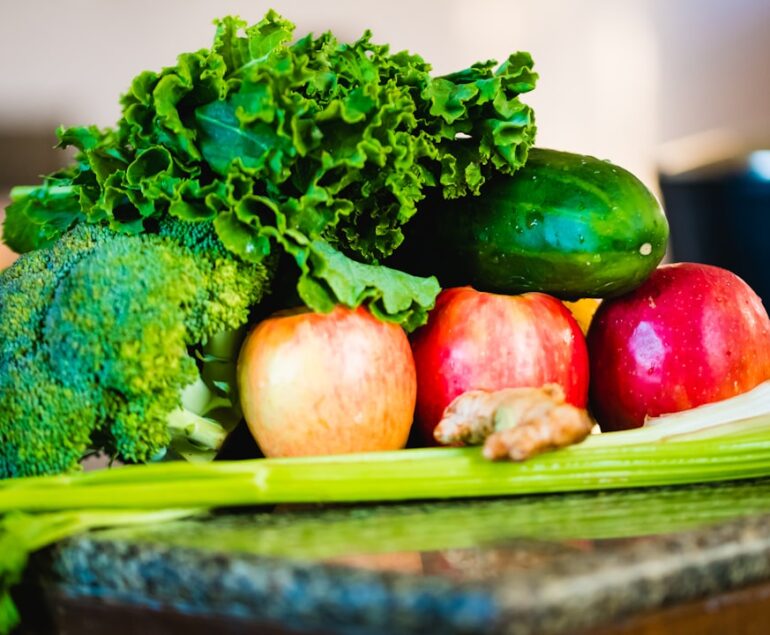
- Soluble fiber-rich foods: Foods high in soluble fiber, such as oats, barley, fruits, and vegetables, can help lower your LDL cholesterol levels. Soluble fiber works by binding to bile acids and removing them from your body, which in turn reduces the amount of cholesterol produced in your liver.
- Fatty fish: Fatty fish, such as salmon and mackerel, are rich in omega-3 fatty acids, which can help lower your triglycerides and reduce inflammation in your body.
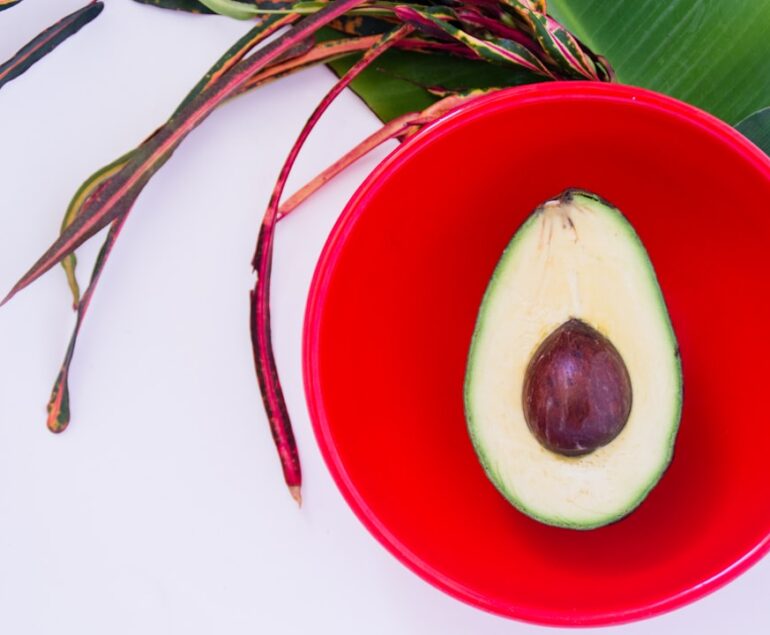
- Avocados: Avocados are a rich source of monounsaturated fats, which can help lower your LDL cholesterol levels while increasing your HDL cholesterol.
- Nuts and seeds: Nuts and seeds, such as almonds and chia seeds, are rich in healthy fats and fiber, making them an excellent snack for lowering cholesterol naturally.
- Plant-based protein sources: Plant-based protein sources, such as beans and lentils, are low in saturated fats and high in fiber, making them an excellent alternative to meat.
- Saturated and trans fats: Saturated and trans fats, found in foods such as red meat, full-fat dairy products, and processed snacks, can raise your LDL cholesterol levels and increase your risk of heart disease.
- Refined carbohydrates: Refined carbohydrates, such as white bread and sugary snacks, can cause a spike in your triglycerides and insulin resistance, increasing your risk of heart disease.
- Aerobic exercise: Aerobic exercises, such as brisk walking, cycling, and swimming, can help raise your HDL cholesterol levels and lower your LDL cholesterol levels.
- High-intensity interval training (HIIT): HIIT involves short bursts of high-intensity exercise followed by brief periods of rest. This type of exercise has been shown to be effective in improving insulin sensitivity and reducing inflammation in the body.
- Resistance training: Resistance training, such as weightlifting and bodyweight exercises, can help build muscle mass and improve your overall metabolic health.
- Yoga and stress reduction: Chronic stress can raise your cortisol levels, which can contribute to high cholesterol. Engaging in stress-reducing activities, such as yoga and meditation, can help lower your cortisol levels and improve your overall heart health.
- Get enough sleep: Poor sleep quality and duration can disrupt your hormonal balance, leading to increased cortisol levels and high cholesterol. Aim for 7-9 hours of sleep per night to help regulate your cholesterol levels.
- Stay hydrated: Drinking plenty of water can help flush out toxins and improve your overall metabolic health. Aim for at least 8 cups (64 ounces) of water per day.
- Manage stress: Chronic stress can raise your cortisol levels, which can contribute to high cholesterol. Engage in stress-reducing activities, such as yoga, meditation, or deep breathing exercises, to help manage your stress levels.
- Consider supplements: Certain supplements, such as plant sterols and stanols, can help lower your LDL cholesterol levels. However, it’s essential to talk to your doctor before adding any new supplements to your routine.
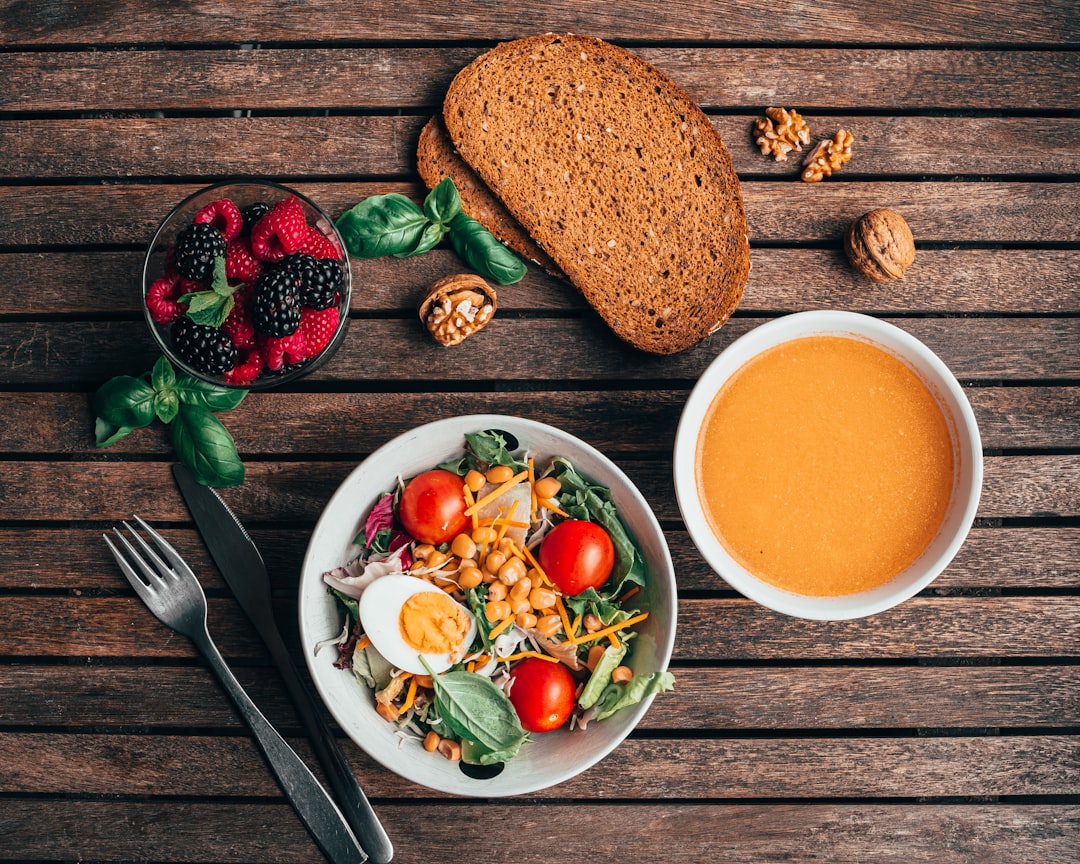
- Eat a balanced diet rich in soluble fiber, healthy fats, and plant-based protein sources
- Limit your intake of saturated and trans fats, refined carbohydrates, and processed snacks
- Engage in regular exercise, such as aerobic exercise, HIIT, and resistance training
- Manage stress through yoga, meditation, or deep breathing exercises
- Get enough sleep and stay hydrated to support your overall metabolic health
In addition to incorporating these foods into your diet, it’s also essential to limit your intake of:
Exercise and Physical Activity to Lower Cholesterol Naturally
Regular exercise and physical activity are essential for maintaining good heart health and lowering cholesterol levels naturally. Here are some of the best exercises to help you get started:
Additional Tips to Lower Cholesterol Naturally
In addition to dietary changes and regular exercise, there are several other ways to lower cholesterol naturally:
Conclusion and Key Takeaways
Lowering cholesterol naturally requires a comprehensive approach that incorporates dietary changes, regular exercise, and stress management. By incorporating the tips outlined in this article, you can take control of your cholesterol levels and reduce your risk of heart disease. Remember to:
By following these tips and making a few simple lifestyle changes, you can lower your cholesterol levels naturally and improve your overall heart health. Remember to consult with your doctor before making any significant changes to your diet or exercise routine, especially if you’re already taking medications to lower your cholesterol. With the right approach and a commitment to your health, you can take control of your cholesterol levels and reduce your risk of heart disease.