Are you aware that cardiovascular disease (CVD) is the leading cause of death worldwide, accounting for over 17.9 million lives lost each year? This staggering statistic is a stark reminder of the importance of taking proactive steps to protect our heart health. As we navigate the complexities of modern life, it’s easy to overlook the subtle warning signs of CVD, but ignorance can be deadly. In this comprehensive guide, we’ll delve into the world of cardiovascular disease, exploring its causes, symptoms, risk factors, and most importantly, the ways to prevent and manage this silent killer.
What is Cardiovascular Disease?
Cardiovascular disease refers to a group of conditions that affect the heart and blood vessels, including coronary artery disease, heart failure, stroke, and peripheral artery disease. At its core, CVD is a result of the buildup of plaque in the arteries, which can lead to blockages, reducing blood flow to the heart, brain, and other vital organs. This process, known as atherosclerosis, can be influenced by a combination of genetic, lifestyle, and environmental factors. Understanding the underlying causes of CVD is crucial in developing effective prevention and treatment strategies.
Risk Factors and Symptoms
Identifying the risk factors and symptoms of cardiovascular disease is essential for early detection and intervention. Some of the key risk factors include:
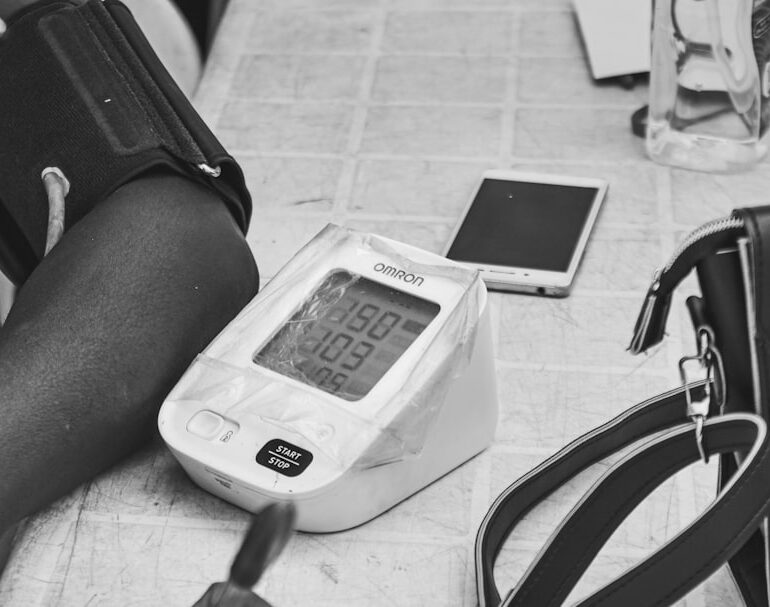
- High blood pressure (hypertension)
- High cholesterol levels
- Diabetes
- Smoking
- Obesity
- Physical inactivity
- Family history of CVD
- Age (risk increases with age)
- Ethnicity (certain ethnic groups are more prone to CVD)
- Chest pain (angina) or discomfort
- Shortness of breath
- Pain or weakness in the arms or legs
- Dizziness or lightheadedness
- Swelling in the legs, ankles, or feet
- Fatigue or weakness
- Eat a heart-healthy diet: Focus on consuming a balanced diet rich in fruits, vegetables, whole grains, lean proteins, and healthy fats. Aim to limit your intake of saturated and trans fats, added sugars, and refined carbohydrates.
- Exercise regularly: Engage in at least 150 minutes of moderate-intensity aerobic exercise, or 75 minutes of vigorous-intensity aerobic exercise, or a combination of both, each week. Additionally, incorporate strength-training exercises, high-intensity interval training (HIIT), and other physical activities to keep your heart rate up and challenge your muscles.
- Maintain a healthy weight: Aim for a body mass index (BMI) between 18.5 and 24.9, and strive to lose weight if you’re overweight or obese.
- Quit smoking: Smoking is a significant risk factor for CVD, so quitting is essential for reducing your risk.
- Manage stress: Chronic stress can contribute to CVD, so find healthy ways to manage stress, such as meditation, yoga, or deep breathing exercises.
- Get enough sleep: Aim for 7-8 hours of sleep per night to help regulate your heart rate, blood pressure, and other cardiovascular functions.
- Stay hydrated: Drink plenty of water throughout the day to help maintain healthy blood flow and overall cardiovascular health.
- Coronary angioplasty and stenting: A minimally invasive procedure to open up blocked arteries and restore blood flow to the heart.
- Coronary artery bypass grafting (CABG): A surgical procedure to bypass blocked or narrowed arteries and improve blood flow to the heart.
- Heart transplantation: A surgical procedure to replace a diseased or damaged heart with a healthy one from a donor.
- Cardiac rehabilitation: A medically supervised program to help patients recover from heart surgery, heart attack, or other cardiovascular conditions.
- Cardiovascular disease is the leading cause of death worldwide, but it’s largely preventable.
- Understanding the causes, symptoms, and risk factors of CVD is essential for early detection and intervention.
- A heart-healthy diet, regular exercise, stress management, and sufficient sleep are crucial for maintaining good cardiovascular health.
- Advanced treatment options, such as coronary angioplasty and stenting, CABG, heart transplantation, and cardiac rehabilitation, may be necessary for managing CVD in some cases.
- Consult with your healthcare provider to develop a personalized plan for preventing and managing cardiovascular disease.
Symptoms of CVD can vary depending on the specific condition, but common warning signs include:
It’s essential to recognize that some people may not exhibit any noticeable symptoms, which is why regular health check-ups and screenings are vital for detecting CVD in its early stages.
Prevention and Management
The good news is that cardiovascular disease is largely preventable, and even if you’ve already been diagnosed, there are many ways to manage the condition and reduce your risk of complications. Here are some actionable tips to get you started:
Advanced Treatment Options
In some cases, lifestyle changes and medications may not be enough to manage cardiovascular disease, and more advanced treatment options may be necessary. These can include:
Conclusion
Cardiovascular disease is a complex and multifaceted condition that requires a comprehensive approach to prevention and management. By understanding the causes, symptoms, risk factors, and treatment options, you can take proactive steps to protect your heart health and reduce your risk of CVD. Remember, it’s never too early or too late to make a positive impact on your cardiovascular health. Start by incorporating the tips outlined in this guide, and consult with your healthcare provider to develop a personalized plan tailored to your unique needs and circumstances. By working together, we can combat the silent killer and create a healthier, happier future for ourselves and our loved ones.
Key takeaways: