Are you tired of feeling like your cholesterol levels are a mystery, and your doctor’s advice to “just eat less fat” isn’t cutting it? You’re not alone. With the rise of heart disease and stroke, understanding your lipid profile has never been more crucial. But what exactly is a lipid profile, and how can you use it to take control of your health? In this comprehensive guide, we’ll delve into the world of lipids, exploring what they are, why they matter, and how you can use your lipid profile to make informed decisions about your diet, lifestyle, and overall well-being.
What is a Lipid Profile?
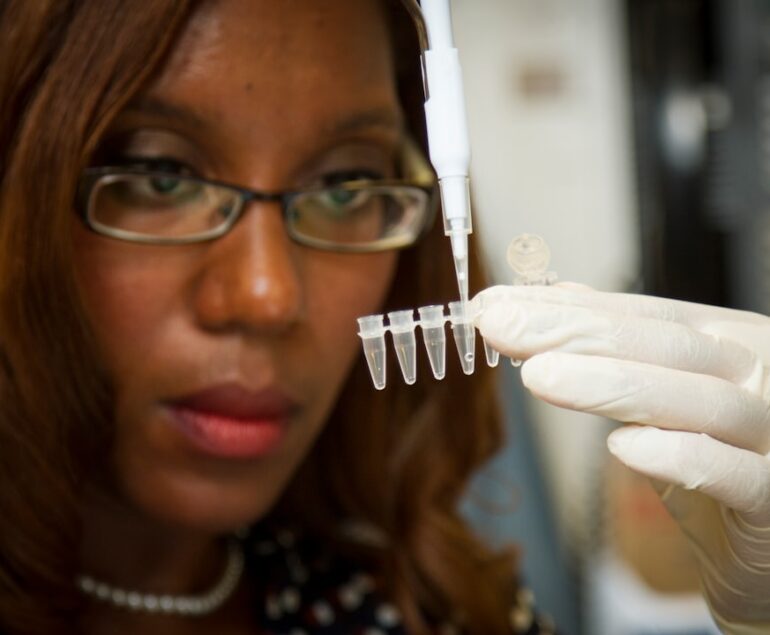
A lipid profile, also known as a lipid panel, is a blood test that measures the levels of different types of lipids (fats) in your blood. These lipids include low-density lipoprotein (LDL) cholesterol, high-density lipoprotein (HDL) cholesterol, triglycerides, and total cholesterol. Your lipid profile provides a snapshot of your cardiovascular health, helping you identify potential risks and take proactive steps to mitigate them. By understanding your lipid profile, you can gain valuable insights into your body’s lipid metabolism and make informed decisions about your diet, exercise routine, and lifestyle habits.
Key Components of a Lipid Profile
So, what exactly does a lipid profile measure? Let’s break down the key components:
- LDL Cholesterol: Often referred to as “bad” cholesterol, LDL cholesterol is responsible for transporting cholesterol to your arteries, where it can accumulate and increase your risk of heart disease.
- HDL Cholesterol: Considered “good” cholesterol, HDL cholesterol helps remove excess cholesterol from your arteries and transport it to your liver for excretion.
- Triglycerides: These are the most common type of fat found in your blood, and high levels can increase your risk of heart disease and stroke.
- Total Cholesterol: This measures the total amount of cholesterol in your blood, including both LDL and HDL cholesterol.
- LDL Cholesterol: Less than 100 mg/dL is considered optimal, while 100-129 mg/dL is near optimal. Levels above 130 mg/dL increase your risk of heart disease.
- HDL Cholesterol: Levels above 60 mg/dL are considered high, while levels below 40 mg/dL increase your risk of heart disease.
- Triglycerides: Less than 150 mg/dL is considered normal, while levels above 200 mg/dL increase your risk of heart disease.
- Total Cholesterol: Less than 200 mg/dL is considered desirable, while levels above 240 mg/dL increase your risk of heart disease.
- Diet: Focus on eating a balanced diet rich in fruits, vegetables, whole grains, and lean proteins. Avoid saturated and trans fats, added sugars, and refined carbohydrates.
- Exercise: Aim for at least 150 minutes of moderate-intensity exercise or 75 minutes of vigorous-intensity exercise per week.
- Weight Management: Maintaining a healthy weight can help improve your lipid profile and reduce your risk of heart disease.
- Stress Management: Chronic stress can raise your cortisol levels, which can negatively impact your lipid profile. Engage in stress-reducing activities like meditation, yoga, or deep breathing exercises.
- Increase Your Omega-3 Intake: Omega-3 fatty acids, particularly EPA and DHA, have been shown to lower triglycerides and improve overall heart health. Find omega-3 rich foods like fatty fish, nuts, and seeds, or consider supplementing with a high-quality omega-3 supplement.
- Eat More Soluble Fiber: Soluble fiber, found in foods like oats, barley, and fruits, can help lower LDL cholesterol and improve overall lipid metabolism.
- Get Enough Sleep: Poor sleep quality and duration can negatively impact your lipid profile. Aim for 7-9 hours of sleep per night and prioritize sleep hygiene practices like maintaining a consistent sleep schedule and creating a relaxing bedtime routine.
- Stay Hydrated: Drinking enough water can help improve your lipid profile by reducing triglycerides and improving overall cardiovascular health. Aim for at least 8 cups (64 ounces) of water per day.
- Get familiar with your lipid profile: Understand the different components of your lipid profile and what they mean for your health.
- Make informed lifestyle changes: Focus on eating a balanced diet, exercising regularly, managing your weight, and reducing stress to improve your lipid profile.
- Stay consistent: Making lifestyle changes takes time and effort, but the rewards are well worth it. Stay committed to your goals and celebrate your progress along the way.
Interpreting Your Lipid Profile Results
So, you’ve gotten your lipid profile results back – now what? Interpreting your results can seem daunting, but it’s actually quite straightforward. Here’s a general guide to help you understand your results:
What to Do If Your Results Are Abnormal
If your lipid profile results indicate that you’re at risk, don’t panic. There are many ways to improve your lipid profile and reduce your risk of heart disease. Here are some actionable tips:
Lifestyle Changes to Improve Your Lipid Profile
Making lifestyle changes can have a significant impact on your lipid profile. Here are some evidence-based tips to help you improve your lipid profile:
Conclusion and Key Takeaways
In conclusion, your lipid profile is a powerful tool for understanding your cardiovascular health and taking proactive steps to improve it. By understanding your lipid profile results and making informed lifestyle changes, you can reduce your risk of heart disease and stroke. Here are the key takeaways:
By following these tips and staying informed, you can unlock the secrets of your lipid profile and take control of your health. Remember, it’s never too late to make a change – start your journey to a healthier you today.