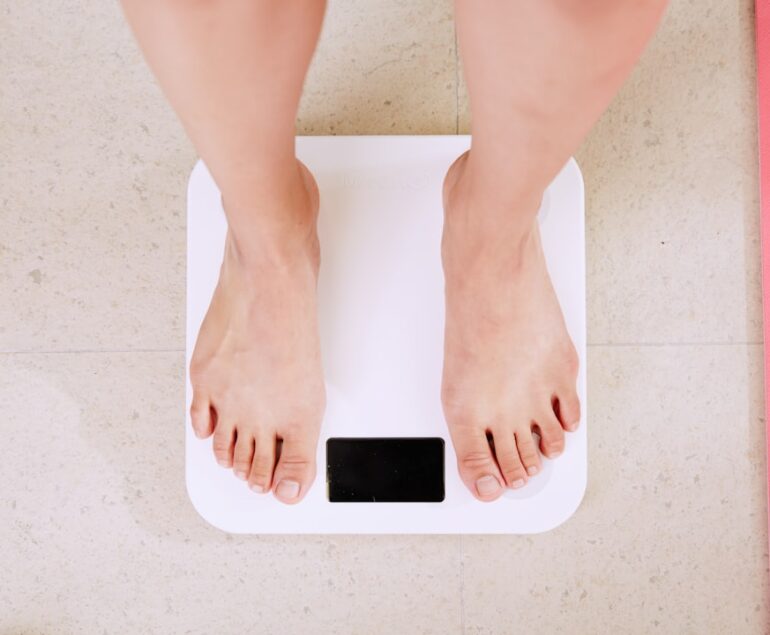
Are you tired of feeling like you’re stuck in a never-ending cycle of dieting and weight gain? Do you dream of having a healthy, energetic body that you can be proud of? You’re not alone. Millions of people around the world struggle with weight loss, but the good news is that it’s achievable with the right mindset, strategy, and support. In this comprehensive guide, we’ll delve into the world of weight loss, exploring the latest research, most effective techniques, and practical tips to help you reach your goals and maintain a healthy weight for the long haul.
Understanding Weight Loss: The Basics
Before we dive into the nitty-gritty of weight loss, it’s essential to understand the fundamentals. Weight loss occurs when you consume fewer calories than your body burns, resulting in a caloric deficit. This can be achieved through a combination of reducing your daily caloric intake, increasing your physical activity levels, and making sustainable lifestyle changes. It’s not just about following a quick-fix diet or relying on gimmicky products; it’s about adopting a holistic approach that nourishes your body, mind, and spirit.
One of the most critical factors in successful weight loss is setting realistic goals. Aim to lose 1-2 pounds per week, as this is a safe and sustainable rate of weight loss. Crash diets and extreme calorie restriction may lead to rapid weight loss, but they’re often impossible to maintain, and the weight usually creeps back on once you return to your normal eating habits. Instead, focus on making gradual, incremental changes to your diet and lifestyle, such as increasing your fruit and vegetable intake, reducing your sugar consumption, and incorporating regular physical activity into your daily routine.
Nutrition and Weight Loss: The Power of Food
When it comes to weight loss, nutrition plays a vital role. The food you eat provides your body with the energy it needs to function, and making the right choices can help you achieve a caloric deficit while still nourishing your body. Focus on whole, unprocessed foods like vegetables, fruits, whole grains, lean proteins, and healthy fats. These foods are rich in nutrients, fiber, and satiety-boosting compounds that can help you feel full and satisfied, reducing the likelihood of overeating.
Some of the best foods for weight loss include leafy greens like spinach and kale, cruciferous vegetables like broccoli and cauliflower, and protein-rich foods like chicken, fish, and tofu. Healthy fats like avocado, nuts, and seeds are also essential, as they provide sustained energy and support hormone production. On the other hand, try to limit your intake of processed and high-calorie foods like sugary drinks, refined grains, and saturated fats, which can hinder weight loss efforts and increase your risk of chronic diseases.
Exercise and Weight Loss: Finding Your Groove
Regular physical activity is a crucial component of weight loss, as it helps you burn calories, build muscle, and boost your metabolism. Aim for at least 150 minutes of moderate-intensity exercise or 75 minutes of vigorous-intensity exercise per week, and incorporate strength training, high-intensity interval training (HIIT), and other forms of physical activity to keep your workouts engaging and challenging.
Finding an exercise routine that you enjoy is essential, as it will help you stick to it in the long term. Whether you’re a fan of running, swimming, cycling, or group fitness classes, the most important thing is to find activities that make you feel good and keep you coming back for more. Additionally, incorporate physical activity into your daily routine, such as taking the stairs instead of the elevator, walking to work, or doing a few jumping jacks during commercial breaks while watching TV.
Mindset and Weight Loss: The Power of Positive Thinking
Weight loss is just as much a mental game as it is a physical one. Developing a positive mindset and cultivating self-care practices can help you stay motivated, focused, and committed to your weight loss journey. Practice self-compassion, and acknowledge that setbacks are a normal part of the process. Instead of beating yourself up over a slip-up, learn from it and move forward, focusing on the progress you’ve made so far.
Stress management is also critical, as chronic stress can lead to overeating, emotional eating, and poor food choices. Engage in stress-reducing activities like meditation, yoga, or deep breathing exercises, and prioritize sleep, aiming for 7-9 hours per night to help regulate your appetite, metabolism, and hormones. Finally, surround yourself with supportive people who encourage and motivate you, and celebrate your successes along the way, no matter how small they may seem.
Overcoming Obstacles and Maintaining Weight Loss
One of the biggest challenges of weight loss is maintaining your progress over time. It’s common to experience plateaus, setbacks, and moments of frustration, but it’s essential to stay positive and focused on your goals. Identify potential obstacles, such as emotional eating, social pressures, or lack of motivation, and develop strategies to overcome them.
Some effective ways to maintain weight loss include tracking your progress, whether through a food diary, mobile app, or regular weigh-ins. This helps you stay accountable, identify patterns, and make adjustments as needed. Additionally, continue to challenge yourself physically, trying new exercises, activities, or workouts to avoid plateaus and prevent overuse injuries. Finally, prioritize self-care, making time for activities that bring you joy, relaxation, and fulfillment, such as reading, hiking, or spending time with loved ones.
In conclusion, weight loss is a journey that requires patience, persistence, and dedication. By understanding the basics of weight loss, focusing on nutrition and exercise, cultivating a positive mindset, and overcoming obstacles, you can achieve a healthy, sustainable weight loss that transforms your body and mind. Remember, it’s not just about reaching a number on the scale; it’s about adopting a holistic approach that nourishes your entire being. With the right strategy, support, and mindset, you can unlock the secrets to sustainable weight loss and live a happier, healthier, more fulfilling life. Key takeaways include:
- Setting realistic goals and focusing on gradual, incremental changes
- Embracing a balanced diet that includes whole, unprocessed foods
- Incorporating regular physical activity and finding exercises that you enjoy
- Cultivating a positive mindset and prioritizing self-care
- Overcoming obstacles and maintaining weight loss through tracking progress, challenging yourself physically, and staying committed to your goals.
By following these principles and staying dedicated to your weight loss journey, you can achieve a healthier, happier you and maintain a sustainable weight loss for the long haul.