
Are you tired of feeling self-conscious about your weight? Do you struggle to fit into your favorite clothes or feel energetic enough to take on your daily activities? You’re not alone. Millions of people around the world are on a quest to lose weight and achieve their dream body. But with so much misinformation and fad diets out there, it’s hard to know where to start. In this comprehensive guide, we’ll delve into the world of weight loss, exploring the latest research, most effective strategies, and actionable tips to help you achieve sustainable weight loss and transform your body for good.
Understanding Weight Loss: The Basics
Before we dive into the nitty-gritty of weight loss, it’s essential to understand the basics. Weight loss occurs when you create a calorie deficit, meaning you burn more calories than you consume. This can be achieved through a combination of diet, exercise, and lifestyle changes. But it’s not just about cutting calories; it’s about making sustainable lifestyle changes that promote overall health and well-being. A healthy weight loss journey should focus on progress, not perfection, and prioritize nourishment over deprivation.
When it comes to weight loss, there are several key factors to consider, including your basal metabolic rate (BMR), body composition, and macronutrient balance. Your BMR is the number of calories your body needs to function at rest, and it’s influenced by factors such as age, sex, weight, and height. Understanding your BMR can help you determine your daily calorie needs and create a personalized weight loss plan. Additionally, monitoring your body composition, including your body fat percentage and muscle mass, can help you track your progress and make adjustments to your diet and exercise routine.
Creating a Weight Loss Plan: Diet and Nutrition
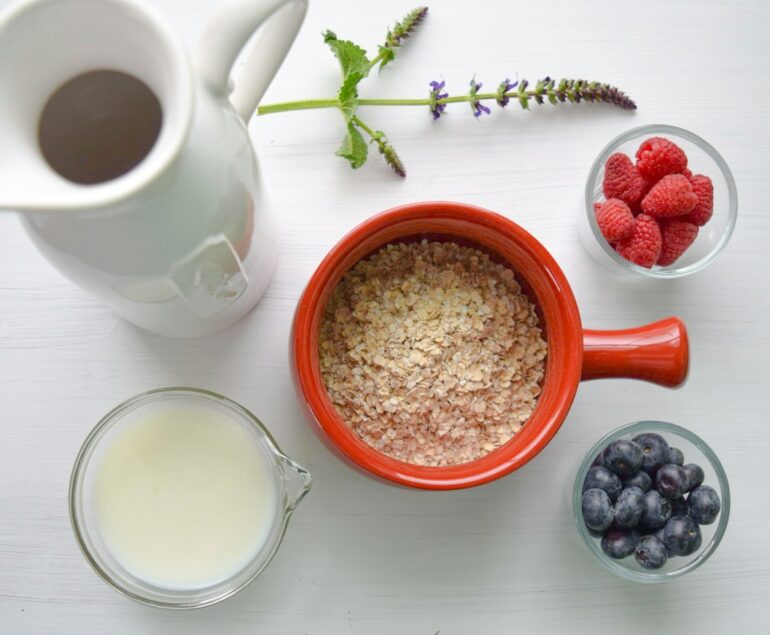
A well-structured diet is the foundation of any successful weight loss plan. But with so many diets and nutrition plans out there, it can be overwhelming to know where to start. The key is to focus on whole, unprocessed foods, including fruits, vegetables, lean proteins, and whole grains. These foods provide essential nutrients, fiber, and satiety, making it easier to stick to your diet and achieve your weight loss goals.
When it comes to nutrition, there are several key principles to keep in mind. First, it’s essential to stay hydrated by drinking plenty of water throughout the day. Aim for at least eight glasses of water per day, and adjust according to your individual needs. Second, focus on balanced macronutrients, including protein, healthy fats, and complex carbohydrates. Aim for a balanced plate with a source of protein, healthy fat, and complex carbohydrates at each meal. Finally, be mindful of portion sizes and control your calorie intake by eating until you’re satisfied, not stuffed.
Some of the most effective weight loss diets include the Mediterranean diet, the keto diet, and intermittent fasting. The Mediterranean diet focuses on whole, unprocessed foods, including fruits, vegetables, whole grains, and healthy fats. The keto diet, on the other hand, is a high-fat, low-carbohydrate diet that promotes weight loss by putting your body into a state of ketosis. Intermittent fasting involves restricting your calorie intake for certain periods of time, which can help promote weight loss and improve overall health.
Exercise and Physical Activity: The Key to Sustainable Weight Loss
Exercise and physical activity are essential components of any weight loss plan. Not only do they help you burn calories and build muscle, but they also improve your overall health and well-being. When it comes to exercise, there are several key principles to keep in mind. First, find an activity you enjoy, whether it’s walking, running, swimming, or weightlifting. Exercise should be a positive and enjoyable experience, not a chore.
Second, aim for at least 150 minutes of moderate-intensity exercise per week, including activities such as brisk walking, cycling, or swimming. You can also incorporate high-intensity interval training (HIIT) into your routine, which involves short bursts of intense exercise followed by periods of rest. Finally, don’t forget to incorporate strength training into your routine, which can help build muscle and boost your metabolism.
Some of the most effective exercises for weight loss include cardio exercises, such as running, cycling, and swimming, as well as strength training exercises, such as weightlifting and bodyweight exercises. High-intensity interval training (HIIT) is also a great way to burn calories and improve your overall fitness. Remember to listen to your body and start slowly, especially if you’re new to exercise. It’s also essential to incorporate rest and recovery into your routine, as this allows your body to repair and rebuild muscle tissue.
Overcoming Obstacles and Maintaining Motivation
Losing weight can be challenging, both physically and mentally. It’s common to encounter obstacles and setbacks along the way, but it’s how you respond to these challenges that matters. One of the most significant obstacles to weight loss is emotional eating, which involves using food as a coping mechanism for stress, anxiety, or other emotions. To overcome emotional eating, it’s essential to develop healthy coping mechanisms, such as meditation, yoga, or journaling.
Another common obstacle is lack of motivation, which can make it challenging to stick to your weight loss plan. To maintain motivation, it’s essential to set realistic goals and celebrate your progress along the way. Find a workout buddy or accountability partner to help keep you motivated and on track. Additionally, focus on the benefits of weight loss beyond just the number on the scale, such as improved energy, better sleep, and enhanced overall health.
Conclusion and Key Takeaways
Losing weight and achieving your dream body is a journey, not a destination. It requires patience, dedication, and a willingness to make sustainable lifestyle changes. By focusing on whole, unprocessed foods, incorporating regular exercise and physical activity, and overcoming obstacles and maintaining motivation, you can achieve sustainable weight loss and transform your body for good. Remember, it’s not just about the number on the scale; it’s about cultivating a healthier, happier you.
Key takeaways from this comprehensive guide to weight loss include:
- Focus on creating a calorie deficit through a combination of diet, exercise, and lifestyle changes
- Prioritize whole, unprocessed foods, including fruits, vegetables, lean proteins, and whole grains
- Incorporate regular exercise and physical activity, including cardio, strength training, and HIIT
- Develop healthy coping mechanisms to overcome emotional eating and maintain motivation
- Set realistic goals and celebrate your progress along the way
By following these principles and incorporating them into your daily life, you can achieve sustainable weight loss and unlock the secrets to a healthier, happier you. Remember, weight loss is a journey, and it’s okay to take it one step at a time. With patience, dedication, and the right mindset, you can transform your body and achieve your dream weight.