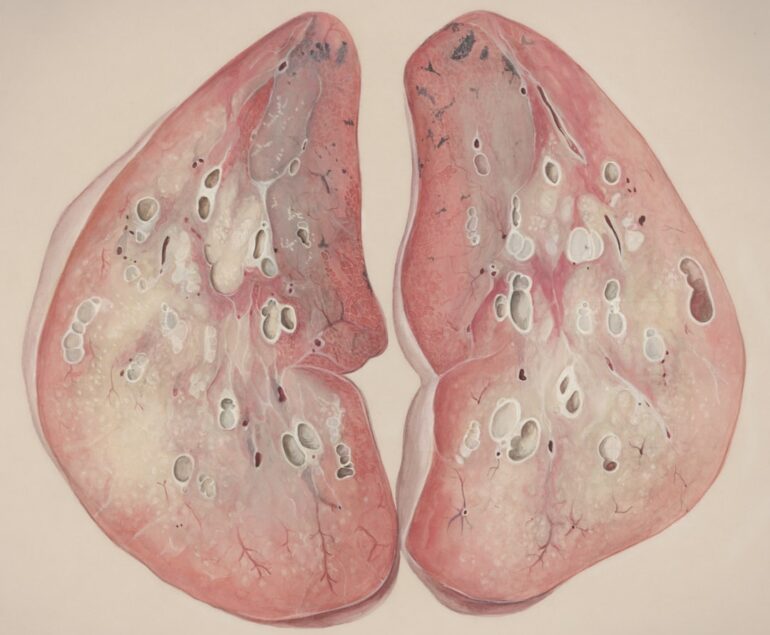

Cardiovascular disease (CVD) is often referred to as the silent killer, and for good reason. It’s a leading cause of death worldwide, accounting for over 17.9 million lives lost each year. The scariest part? Many people don’t even know they’re at risk until it’s too late. But here’s the thing: cardiovascular disease is largely preventable. By understanding the risks, symptoms, and prevention strategies, you can take control of your heart health and reduce your chances of becoming a statistic. In this comprehensive guide, we’ll delve into the world of cardiovascular disease, exploring what it is, how it’s caused, and most importantly, how you can prevent it.
What is Cardiovascular Disease?
Cardiovascular disease refers to a range of conditions that affect the heart and blood vessels, including coronary artery disease, heart failure, and stroke. It occurs when the blood vessels become damaged or diseased, leading to a reduction in blood flow to the heart, brain, and other vital organs. This can be caused by a combination of factors, including high blood pressure, high cholesterol, smoking, and diabetes. When left unchecked, cardiovascular disease can lead to serious health complications, including heart attack, stroke, and even death. But it’s not all doom and gloom. By understanding the causes and risk factors, you can take steps to prevent cardiovascular disease and maintain a healthy heart.
Risk Factors and Symptoms
So, who’s at risk of developing cardiovascular disease? The answer is, anyone can be. However, certain factors can increase your risk, including:
- Age: Your risk of cardiovascular disease increases as you get older
- Family history: If you have a family history of cardiovascular disease, you’re more likely to develop it
- High blood pressure: Uncontrolled high blood pressure can damage blood vessels and increase your risk
- High cholesterol: High levels of low-density lipoprotein (LDL) cholesterol can lead to plaque buildup in the arteries
- Smoking: Smoking damages the blood vessels and increases your risk of cardiovascular disease
- Diabetes: People with diabetes are more likely to develop cardiovascular disease
- Obesity: Being overweight or obese can increase your risk of cardiovascular disease
- Physical inactivity: A sedentary lifestyle can contribute to cardiovascular disease
- Stress: Chronic stress can increase your risk of cardiovascular disease
- Chest pain or discomfort
- Shortness of breath
- Pain or weakness in the arms or legs
- Dizziness or lightheadedness
- Fatigue
- Eating a healthy diet: Focus on whole, unprocessed foods like fruits, vegetables, whole grains, and lean proteins
- Exercising regularly: Aim for at least 150 minutes of moderate-intensity exercise per week
- Maintaining a healthy weight: Aim for a body mass index (BMI) between 18.5 and 24.9
- Quitting smoking: Smoking cessation can significantly reduce your risk of cardiovascular disease
- Managing stress: Engage in stress-reducing activities like meditation, yoga, or deep breathing exercises
- Getting enough sleep: Aim for 7-8 hours of sleep per night
- Limiting alcohol consumption: Excessive alcohol consumption can increase your risk of cardiovascular disease
- Medications: Such as statins, beta blockers, and ACE inhibitors
- Surgery: Such as coronary artery bypass grafting (CABG) or percutaneous coronary intervention (PCI)
- Cardiac rehabilitation: A program designed to help you recover from heart disease and maintain a healthy lifestyle
- Taking your medications as prescribed: Medications can help manage symptoms and slow disease progression
- Attending regular check-ups: Regular check-ups with your healthcare provider can help monitor your condition and catch any potential problems early
- Making lifestyle changes: The same lifestyle changes that can help prevent cardiovascular disease can also help manage it
- Monitoring your blood pressure and cholesterol levels: Keeping track of your blood pressure and cholesterol levels can help you stay on top of your condition
- Getting support: Connecting with others who have cardiovascular disease can provide emotional support and help you stay motivated
- Cardiovascular disease is a leading cause of death worldwide
- Risk factors include age, family history, high blood pressure, high cholesterol, smoking, diabetes, obesity, physical inactivity, and stress
- Symptoms may include chest pain, shortness of breath, pain or weakness in the arms or legs, dizziness, and fatigue
- Prevention strategies include eating a healthy diet, exercising regularly, maintaining a healthy weight, quitting smoking, managing stress, and getting enough sleep
- Medical treatments, such as medications and surgery, can help manage cardiovascular disease
- Lifestyle changes, such as taking medications as prescribed, attending regular check-ups, and making healthy lifestyle changes, can help manage cardiovascular disease and reduce the risk of complications.
But what about symptoms? Unfortunately, cardiovascular disease often doesn’t show any symptoms until it’s too late. However, some common symptoms to look out for include:
If you’re experiencing any of these symptoms, it’s essential to seek medical attention immediately.
Prevention and Treatment
So, how can you prevent cardiovascular disease? The good news is, there are many lifestyle changes you can make to reduce your risk. These include:
In addition to lifestyle changes, there are also several medical treatments available to help manage cardiovascular disease. These include:
It’s essential to work with your healthcare provider to develop a personalized treatment plan that’s right for you.
Managing Cardiovascular Disease
If you’ve already been diagnosed with cardiovascular disease, there are still many things you can do to manage your condition and reduce your risk of complications. These include:
Remember, managing cardiovascular disease is a long-term process that requires commitment and patience. But with the right treatment plan and lifestyle changes, you can reduce your risk of complications and maintain a healthy, active lifestyle.
Conclusion
Cardiovascular disease is a serious health condition that affects millions of people worldwide. But by understanding the risks, symptoms, and prevention strategies, you can take control of your heart health and reduce your chances of developing cardiovascular disease. Remember, prevention is key. By making healthy lifestyle changes, such as eating a balanced diet, exercising regularly, and managing stress, you can significantly reduce your risk of cardiovascular disease. And if you’ve already been diagnosed, there are still many things you can do to manage your condition and reduce your risk of complications. So, take the first step today and start prioritizing your heart health. Your life depends on it.
Key takeaways: