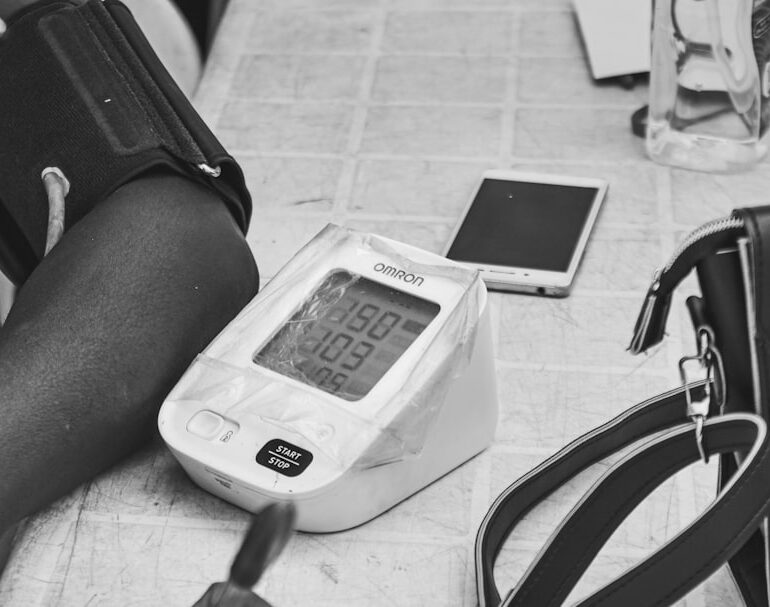

As we go about our daily lives, it’s easy to overlook the importance of our heart health. But the truth is, cardiovascular disease (CVD) is a silent killer that affects millions of people worldwide, causing over 17.9 million deaths per year. It’s a staggering statistic that should make us all take a step back and assess our lifestyle choices. The good news is that CVD is largely preventable, and by understanding the risks and taking proactive steps, we can significantly reduce our chances of developing this deadly disease. In this comprehensive guide, we’ll delve into the world of cardiovascular disease, exploring its causes, symptoms, diagnosis, treatment, and most importantly, prevention.
What is Cardiovascular Disease?
Cardiovascular disease refers to a range of conditions that affect the heart and blood vessels, including coronary artery disease, heart failure, arrhythmias, and stroke. It occurs when the blood vessels become damaged or diseased, leading to a reduction in blood flow to the heart, brain, and other vital organs. CVD can be caused by a combination of genetic, lifestyle, and environmental factors, including high blood pressure, high cholesterol, smoking, obesity, physical inactivity, and diabetes. According to the American Heart Association (AHA), nearly 80% of cardiovascular disease cases can be attributed to modifiable risk factors, making it a largely preventable condition.
Risk Factors and Symptoms
Identifying the risk factors and symptoms of cardiovascular disease is crucial in preventing and managing the condition. Some of the key risk factors include:
- High blood pressure: Also known as hypertension, high blood pressure is a major risk factor for CVD. It can cause damage to the blood vessels, heart, and kidneys, increasing the risk of heart attack, stroke, and kidney disease.
- High cholesterol: Elevated levels of low-density lipoprotein (LDL) cholesterol can lead to the buildup of plaque in the blood vessels, increasing the risk of heart attack and stroke.
- Smoking: Smoking is a significant risk factor for CVD, as it damages the blood vessels, increases blood pressure, and reduces blood flow to the heart.
- Obesity: Excess weight, particularly around the waistline, can increase the risk of CVD by raising blood pressure, triglycerides, and LDL cholesterol.
- Physical inactivity: A sedentary lifestyle can contribute to weight gain, high blood pressure, and high cholesterol, all of which increase the risk of CVD.
- Diabetes: People with diabetes are at a higher risk of developing CVD due to high blood sugar levels, which can damage the blood vessels and nerves.
- Chest pain or discomfort (angina)
- Shortness of breath
- Fatigue
- Swelling in the legs, ankles, or feet
- Confusion or difficulty speaking (in the case of stroke)
- Severe headache (in the case of stroke)
- Electrocardiogram (ECG or EKG)
- Echocardiogram
- Stress test
- Blood tests (e.g., lipid profile, blood glucose)
- Imaging tests (e.g., angiogram, MRI)
- Medications to lower blood pressure, cholesterol, or blood sugar
- Angioplasty or stenting to open blocked blood vessels
- Bypass surgery to divert blood flow around blocked vessels
- Heart transplantation in severe cases
- Eating a balanced diet rich in fruits, vegetables, whole grains, and lean protein
- Engaging in regular physical activity, such as walking, jogging, or cycling
- Maintaining a healthy weight through a combination of diet and exercise
- Quitting smoking and avoiding secondhand smoke
- Managing stress through techniques like meditation, yoga, or deep breathing
- Getting enough sleep (7-8 hours per night) to help regulate blood pressure and cardiovascular function
- Working closely with a healthcare provider to develop a personalized treatment plan
- Taking medications as prescribed and attending regular follow-up appointments
- Making healthy lifestyle choices, such as eating a balanced diet and engaging in regular physical activity
- Monitoring blood pressure, cholesterol, and blood sugar levels regularly
- Staying connected with family and friends to reduce stress and improve mental health
- Cardiovascular disease is a range of conditions that affect the heart and blood vessels, including coronary artery disease, heart failure, arrhythmias, and stroke.
- The main risk factors for CVD include high blood pressure, high cholesterol, smoking, obesity, physical inactivity, and diabetes.
- Identifying the symptoms of CVD, such as chest pain, shortness of breath, and fatigue, is crucial in seeking medical attention and preventing complications.
- Diagnosing CVD typically involves a combination of physical exams, medical history, and diagnostic tests, such as ECG, echocardiogram, and blood tests.
- Treatment for CVD depends on the specific condition and may involve medications, lifestyle changes, and surgical procedures.
- Preventing CVD is the most effective way to manage the condition, and can be achieved through healthy lifestyle choices, such as eating a balanced diet, engaging in regular physical activity, and managing stress.
The symptoms of cardiovascular disease can vary depending on the specific condition, but common signs include:
Diagnosis, Treatment, and Prevention
Diagnosing cardiovascular disease typically involves a combination of physical exams, medical history, and diagnostic tests, such as:
Treatment for CVD depends on the specific condition and may involve medications, lifestyle changes, and surgical procedures. Some common treatments include:
Preventing cardiovascular disease is the most effective way to manage the condition. By making healthy lifestyle choices, we can significantly reduce our risk of developing CVD. Some actionable tips include:
Managing and Living with Cardiovascular Disease
For those already living with cardiovascular disease, managing the condition is crucial to preventing complications and improving quality of life. This can involve:
In addition to these tips, there are many resources available to support individuals living with cardiovascular disease. The American Heart Association (AHA) offers a range of educational materials, support groups, and online tools to help manage the condition. Additionally, many hospitals and healthcare organizations offer cardiac rehabilitation programs, which provide supervised exercise, education, and support to help individuals recover from heart-related illnesses.
Conclusion and Key Takeaways
Cardiovascular disease is a serious and largely preventable condition that affects millions of people worldwide. By understanding the risks and taking proactive steps, we can significantly reduce our chances of developing CVD. The key takeaways from this comprehensive guide are:
By following these tips and taking a proactive approach to heart health, we can reduce our risk of developing cardiovascular disease and improve our overall well-being. Remember, it’s never too late to make a change and start living a healthier, happier life. So, take the first step today and join the fight against cardiovascular disease.