Are you one of the millions of people worldwide living with high blood pressure? Also known as hypertension, this condition can lead to serious health complications, including heart disease, stroke, and kidney damage. While medication can help manage blood pressure, it’s not the only solution. In fact, making lifestyle changes and incorporating natural remedies can be just as effective, if not more so, in reducing blood pressure and improving overall health. In this comprehensive guide, we’ll explore the best ways to reduce blood pressure naturally, from dietary changes to stress-reducing techniques.
Understanding Blood Pressure and Its Risks
Before we dive into the natural remedies, it’s essential to understand what blood pressure is and why it’s so important to manage it. Blood pressure refers to the force of blood against the walls of your arteries as it circulates throughout your body. When your blood pressure is too high, it can cause damage to your blood vessels, heart, and kidneys, leading to potentially life-threatening conditions. The American Heart Association estimates that nearly half of all adults in the United States have high blood pressure, which is defined as a systolic pressure of 130 mmHg or higher, or a diastolic pressure of 80 mmHg or higher.
To put this into perspective, having high blood pressure increases your risk of heart disease by 2-3 times, stroke by 3-4 times, and kidney disease by 10 times. However, the good news is that high blood pressure is often preventable and treatable with lifestyle changes and natural remedies. By incorporating the following strategies into your daily routine, you can reduce your blood pressure naturally and significantly lower your risk of developing these conditions.
Dietary Changes to Lower Blood Pressure
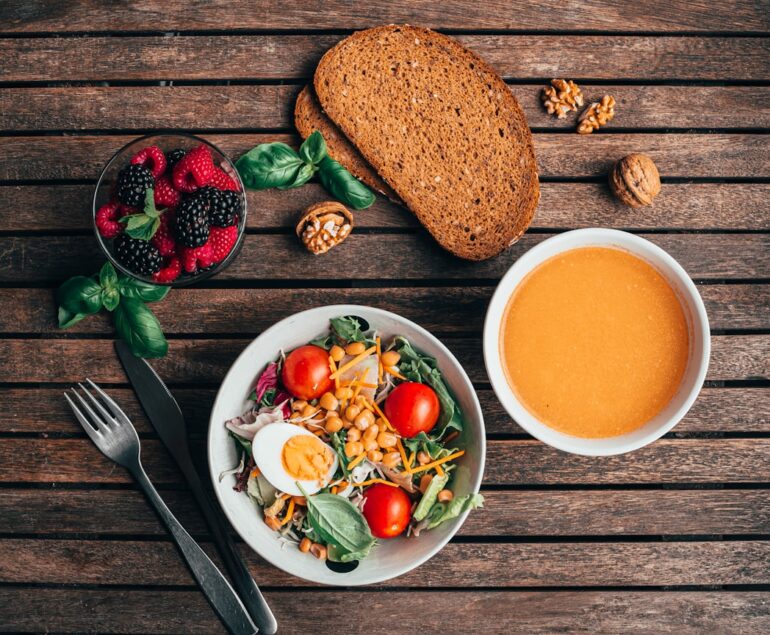
One of the most effective ways to reduce blood pressure naturally is through dietary changes. A healthy diet rich in fruits, vegetables, whole grains, and lean protein can help lower blood pressure and improve overall health. Here are some specific foods and nutrients that can help:
- Potassium-rich foods: Potassium helps balance sodium in the body and can lower blood pressure. Include potassium-rich foods like bananas, leafy greens, and sweet potatoes in your diet.
- Omega-3 fatty acids: Omega-3 fatty acids found in fatty fish, flaxseeds, and walnuts can help reduce inflammation and lower blood pressure.
- Fiber-rich foods: Fiber can help lower blood pressure by reducing inflammation and improving blood vessel function. Include fiber-rich foods like oats, quinoa, and fruits in your diet.
- Low-sodium diet: Reducing sodium intake can help lower blood pressure. Aim to consume no more than 2,300 milligrams of sodium per day.
- Herbal teas: Certain herbal teas like hibiscus, chamomile, and lavender can help lower blood pressure and reduce stress.
- Processed meats: Processed meats like hot dogs, sausages, and bacon are high in sodium and saturated fat, which can raise blood pressure.
- Sugary drinks: Sugary drinks like soda and sports drinks can lead to weight gain and increase blood pressure.
- Refined carbohydrates: Refined carbohydrates like white bread, pasta, and sugary snacks can cause a spike in blood sugar and insulin resistance, leading to high blood pressure.
- Meditation: Meditation can help reduce stress and anxiety by promoting relaxation and calming the mind. Start with short sessions of 5-10 minutes per day and gradually increase as you become more comfortable with the practice.
- Yoga: Yoga combines physical movement with deep breathing and meditation techniques to reduce stress and improve flexibility. Find a local yoga studio or follow online classes to get started.
- Deep breathing exercises: Deep breathing exercises can help reduce stress and lower blood pressure by slowing down your heart rate and promoting relaxation. Try inhaling for a count of 4, holding for a count of 7, and exhaling for a count of 8.
- Walking and exercise: Regular physical activity can help reduce stress and lower blood pressure by improving cardiovascular health and releasing endorphins. Aim for at least 30 minutes of moderate-intensity exercise per day.
- Get enough sleep: Getting enough sleep is essential for overall health, including blood pressure regulation. Aim for 7-8 hours of sleep per night to help lower blood pressure.
- Quit smoking: Smoking is a significant contributor to high blood pressure, as it damages blood vessels and increases heart rate. Quitting smoking can help lower blood pressure and improve overall health.
- Limit alcohol consumption: Excessive alcohol consumption can raise blood pressure and increase the risk of heart disease. Limit your alcohol intake to no more than 1-2 drinks per day.
- Monitor your blood pressure: Regularly monitoring your blood pressure can help you identify any changes or concerns, allowing you to make adjustments to your lifestyle and treatment plan as needed.
- Eat a healthy, balanced diet: Focus on whole, unprocessed foods like fruits, vegetables, whole grains, and lean protein to help lower blood pressure.
- Incorporate stress-reducing techniques: Regularly practice stress-reducing techniques like meditation, yoga, and deep breathing exercises to help lower blood pressure and improve overall well-being.
- Make lifestyle changes: Get enough sleep, quit smoking, limit alcohol consumption, and monitor your blood pressure regularly to help reduce blood pressure naturally.
- Be patient and consistent: Reducing blood pressure naturally takes time and effort. Be patient, stay consistent, and work with your healthcare provider to develop a personalized treatment plan.
In addition to incorporating these foods and nutrients into your diet, it’s also important to limit or avoid foods that can raise blood pressure, such as:
Stress-Reducing Techniques to Lower Blood Pressure
Stress is a significant contributor to high blood pressure, as it can cause blood vessels to constrict and increase heart rate. Incorporating stress-reducing techniques into your daily routine can help lower blood pressure and improve overall well-being. Here are some effective stress-reducing techniques:
Lifestyle Changes to Reduce Blood Pressure
In addition to dietary changes and stress-reducing techniques, there are several lifestyle changes you can make to reduce blood pressure naturally. Here are some effective strategies:
Conclusion and Key Takeaways
Reducing blood pressure naturally requires a comprehensive approach that incorporates dietary changes, stress-reducing techniques, and lifestyle modifications. By following the strategies outlined in this guide, you can lower your blood pressure and improve your overall health. Here are the key takeaways:
Remember, high blood pressure is a manageable condition, and with the right lifestyle changes and natural remedies, you can reduce your blood pressure and live a healthier, happier life. So why wait? Start making changes today and take the first step towards a lower blood pressure and a healthier tomorrow.