Are you tired of living with high blood pressure? Do you feel like you’re constantly worrying about your numbers, stressing about every little thing that might send them soaring? You’re not alone. Millions of people around the world are struggling to manage their blood pressure, and it’s no wonder why. The consequences of high blood pressure can be devastating, from heart disease and stroke to kidney damage and vision loss. But here’s the good news: you have the power to take control of your blood pressure, and it all starts with making a few simple changes to your lifestyle. In this post, we’ll explore how to reduce blood pressure naturally, using proven techniques and strategies that can help you lower your numbers and live a healthier, happier life.
Understanding Blood Pressure: What You Need to Know
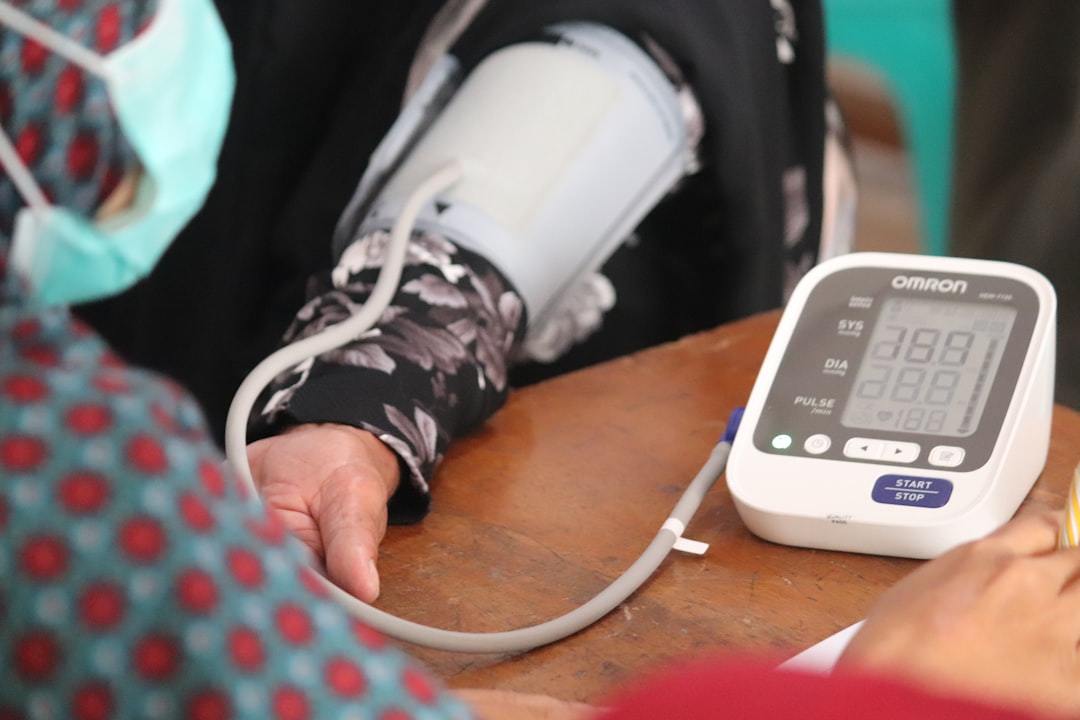
Before we dive into the ways to reduce blood pressure naturally, it’s essential to understand what blood pressure is and how it works. Blood pressure is the force of blood pushing against the walls of your arteries as it circulates throughout your body. It’s measured in millimeters of mercury (mmHg) and is expressed as two numbers: systolic pressure (the top number) and diastolic pressure (the bottom number). Normal blood pressure is typically defined as a systolic pressure of less than 120 mmHg and a diastolic pressure of less than 80 mmHg. When your blood pressure is too high, it can put extra strain on your heart, blood vessels, and other organs, leading to serious health problems.
So, what causes high blood pressure? There are several factors that can contribute to high blood pressure, including:
- Genetics: If your parents or grandparents had high blood pressure, you may be more likely to develop it as well.
- Age: Blood pressure tends to rise as we get older.
- Weight: Being overweight or obese can increase your blood pressure.
- Diet: Consuming a diet high in sodium, sugar, and saturated fat can contribute to high blood pressure.
- Lack of physical activity: Not getting enough exercise can increase your blood pressure.
- Stress: Chronic stress can raise your blood pressure.
- Leafy greens: Leafy greens like spinach, kale, and collard greens are rich in potassium, calcium, and magnesium, all of which can help lower blood pressure.
- Berries: Berries are high in antioxidants and fiber, which can help reduce inflammation and improve blood vessel function.
- Fatty fish: Fatty fish like salmon, tuna, and mackerel are rich in omega-3 fatty acids, which can help reduce inflammation and improve heart health.
- Nuts and seeds: Nuts and seeds like almonds, sunflower seeds, and pumpkin seeds are rich in magnesium and potassium, both of which can help lower blood pressure.
- Whole grains: Whole grains like brown rice, quinoa, and whole wheat bread can help lower blood pressure by providing fiber, magnesium, and potassium.
- Potassium: Potassium can help lower blood pressure by balancing out the effects of sodium in the body.
- Magnesium: Magnesium can help relax blood vessels and improve blood flow.
- Coenzyme Q10 (CoQ10): CoQ10 is an antioxidant that can help reduce inflammation and improve heart health.
- Garlic: Garlic has been shown to have a positive effect on blood pressure, possibly due to its ability to reduce inflammation and improve blood vessel function.
- Improving blood vessel function: Regular exercise can help improve the function of your blood vessels, making it easier for blood to flow and reducing pressure on your heart.
- Reducing inflammation: Exercise can help reduce inflammation in the body, which can contribute to high blood pressure.
- Improving insulin sensitivity: Regular exercise can help improve insulin sensitivity, reducing the risk of developing insulin resistance and high blood pressure.
- Brisk walking: Brisk walking is a great way to get your heart rate up and improve blood flow.
- Swimming: Swimming is a low-impact exercise that can help reduce stress and improve cardiovascular health.
- Cycling: Cycling is another low-impact exercise that can help improve blood flow and reduce blood pressure.
- Yoga: Yoga can help reduce stress and improve blood flow, making it an excellent exercise for blood pressure.
- Meditation: Meditation can help reduce stress and anxiety, making it an excellent technique for lowering blood pressure.
- Deep breathing: Deep breathing can help calm the mind and body, reducing stress and anxiety.
- Progressive muscle relaxation: Progressive muscle relaxation can help reduce stress and promote relaxation.
- Fish oil: Fish oil is rich in omega-3 fatty acids, which can help reduce inflammation and improve heart health.
- CoQ10: CoQ10 is an antioxidant that can help reduce inflammation and improve heart health.
- Garlic: Garlic has been shown to have a positive effect on blood pressure, possibly due to its ability to reduce inflammation and improve blood vessel function.
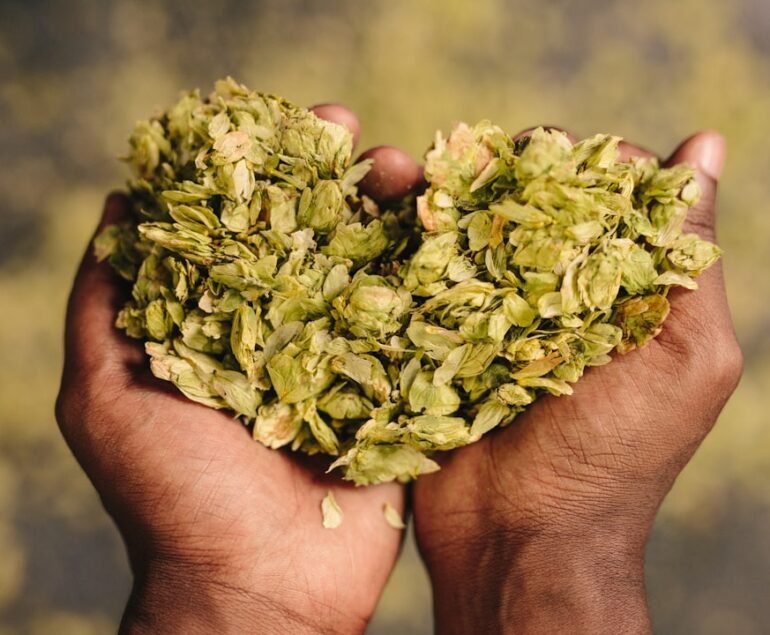
- Hawthorn: Hawthorn is a natural remedy that has been used for centuries to treat high blood pressure.
- Potassium supplements: Potassium supplements can help lower blood pressure by balancing out the effects of sodium in the body.
- Dietary changes, such as incorporating leafy greens, berries, and fatty fish into your diet, can help lower blood pressure.
- Regular exercise, such as brisk walking, swimming, and cycling, can help improve blood vessel function and reduce inflammation.
- Stress reduction techniques, such as meditation, deep breathing, and progressive muscle relaxation, can help reduce stress and anxiety.
- Supplements and natural remedies, such as fish oil, CoQ10, and garlic, can be effective in reducing blood pressure, but should not be used as a replacement for medical treatment.
- Taking control of your blood pressure requires a comprehensive approach that includes dietary changes, exercise, stress reduction, and supplements. By working with your healthcare provider and making sustainable lifestyle changes, you can lower your numbers and reduce your risk of heart disease and other health problems.
Dietary Changes to Reduce Blood Pressure
One of the most effective ways to reduce blood pressure naturally is to make changes to your diet. What you eat can have a significant impact on your blood pressure, and there are several key foods and nutrients that can help lower your numbers. Here are some of the best foods to eat for blood pressure:
In addition to incorporating these foods into your diet, there are also several nutrients that can help reduce blood pressure. Some of the most effective include:
Exercise and Stress Reduction: The Key to Lowering Blood Pressure
In addition to making changes to your diet, regular exercise and stress reduction can also play a crucial role in reducing blood pressure. Exercise can help lower blood pressure by:
Some of the best exercises for blood pressure include:
In addition to exercise, stress reduction is also essential for lowering blood pressure. Chronic stress can raise your blood pressure, so finding ways to manage stress is crucial. Some effective stress-reduction techniques include:
Supplements and Natural Remedies: What You Need to Know
In addition to dietary changes, exercise, and stress reduction, there are also several supplements and natural remedies that can help reduce blood pressure. Some of the most effective include:
It’s essential to note that while these supplements and natural remedies can be effective, they should not be used as a replacement for medical treatment. If you have high blood pressure, it’s crucial to work with your healthcare provider to develop a comprehensive treatment plan.
Conclusion: Taking Control of Your Blood Pressure
Reducing blood pressure naturally is within your reach, and it all starts with making a few simple changes to your lifestyle. By incorporating the dietary changes, exercises, and stress-reduction techniques outlined in this post, you can lower your numbers and reduce your risk of heart disease, stroke, and other health problems. Remember, it’s all about making small, sustainable changes that you can maintain in the long term. Don’t be afraid to experiment and find what works best for you. With patience, persistence, and the right mindset, you can take control of your blood pressure and live a healthier, happier life.
Key takeaways: