—
Introduction – Why “Natural” Matters
Imagine checking your latest blood test and seeing those dreaded LDL numbers finally dip below the risky range—without a prescription pill in sight. For many, that vision feels like a distant dream, especially when the pharmacy shelves are crowded with statins and the side‑effects list looks longer than a grocery receipt. Yet the truth is reassuring: a sizable portion of cholesterol reduction can be achieved through everyday choices that don’t require a doctor’s signature.
The word “natural” isn’t just a marketing buzzword; it reflects a body‑centric approach that leverages the foods you eat, the movements you make, and the habits you nurture. When you lower cholesterol naturally, you’re not only trimming the fat that clogs arteries, you’re also strengthening the entire cardiovascular system, boosting energy levels, and often shedding a few extra pounds along the way.
In this post, we’ll break down the science behind cholesterol, then dive into four actionable pillars—understanding your numbers, eating smarter, moving more, and fine‑tuning lifestyle habits—that together form a roadmap to healthier blood‑lipid levels. By the end, you’ll have a toolbox of evidence‑backed strategies you can start implementing today, without the need for expensive supplements or drastic “quick‑fix” diets.
—
1. Decode Your Cholesterol Numbers
Before you can lower anything, you need to know what you’re dealing with. Cholesterol isn’t a single entity; it travels in the bloodstream attached to proteins, forming lipoproteins that have distinct roles.
| Lipoprotein | What It Does | Ideal Range |
|————-|————–|————-|
| LDL (Low‑Density Lipoprotein) | Often labeled “bad” cholesterol because it deposits cholesterol on artery walls. | < 100 mg/dL (optimal) |
| HDL (High‑Density Lipoprotein) | The “good” cholesterol that scoops excess cholesterol back to the liver for disposal. | > 60 mg/dL (protective) |
| Triglycerides | Fat particles that, when elevated, increase heart‑disease risk. | < 150 mg/dL (normal) |
| Total Cholesterol | Sum of LDL, HDL, and 20% of triglycerides. | < 200 mg/dL (desirable) |
Actionable Steps
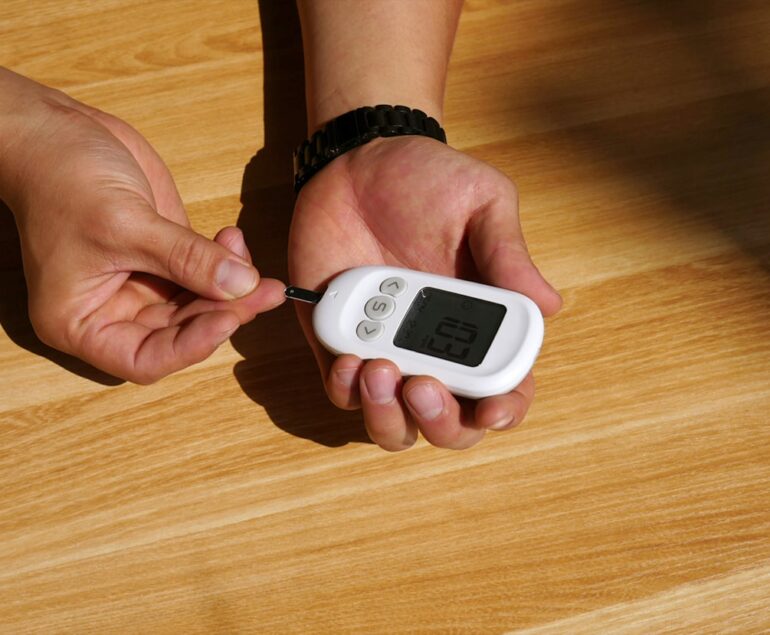
1. Get a Baseline Test – Schedule a fasting lipid panel with your primary care provider. Knowing your exact LDL, HDL, and triglyceride levels sets a clear starting point.
2. Set Realistic Targets – If your LDL is 160 mg/dL, aim for a 10–15% reduction in the first three months; that’s a reachable goal without medication for many people.
3. Track Over Time – Re‑test every 3–6 months while you implement lifestyle changes. Seeing numbers move in the right direction fuels motivation and helps you tweak strategies that aren’t working.
Understanding the numbers demystifies the process. It also lets you celebrate small wins—like a 5 mg/dL drop in LDL—rather than waiting for a dramatic overhaul.
—
2. Eat Smart: Foods That Actively Lower LDL
Your plate is the most powerful tool you have for natural cholesterol control. Certain foods contain compounds that directly influence how the liver processes lipids, while others simply replace higher‑fat options, reducing overall saturated fat intake.
2.1. Soluble Fiber – The Cholesterol‑Binding Hero
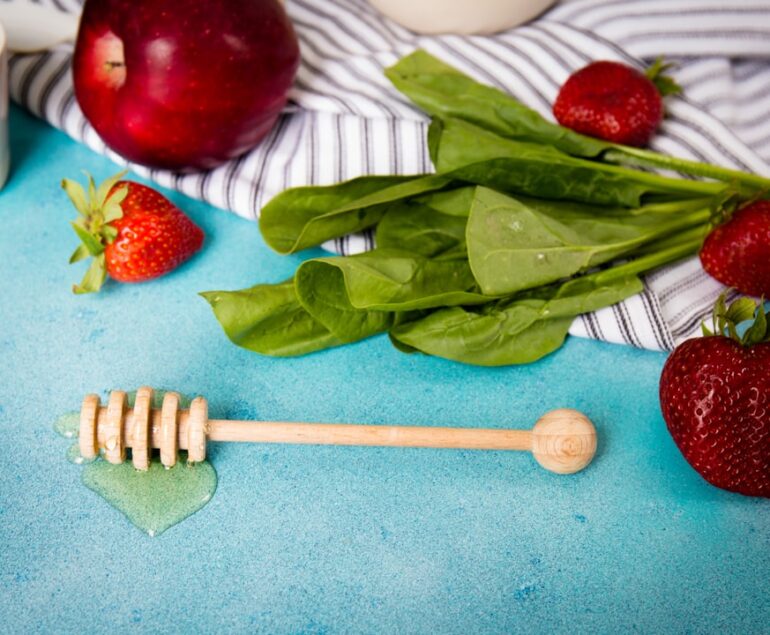
Soluble fiber forms a gel‑like substance in the gut that binds bile acids (which are made from cholesterol) and escorts them out of the body. The liver then pulls more cholesterol from the bloodstream to replace the lost bile acids, lowering LDL levels.
Top Sources & How to Use Them
| Food | Serving Size | Approx. Soluble Fiber | Quick Prep Idea |
|——|————–|———————-|—————–|
| Oats (rolled or steel‑cut) | ½ cup dry | 2–3 g | Cook as oatmeal; add berries and a dash of cinnamon |
| Barley | ½ cup cooked | 1.5 g | Toss into soups or salads |
| Apples (with skin) | 1 medium | 1 g | Slice for a snack with nut butter |
| Psyllium husk | 1 tsp | 3 g | Stir into water or smoothies |
| Legumes (lentils, black beans) | ½ cup cooked | 1–2 g | Add to chili, stews, or veggie burgers |
Action Tip: Aim for at least 5–10 g of soluble fiber daily. A simple “fiber boost” breakfast of oatmeal topped with sliced apples and a spoonful of ground flaxseed can deliver 7 g alone.
2.2. Plant Sterols & Stanols – Natural Cholesterol Blockers
These plant compounds mimic cholesterol’s structure, tricking the intestines into absorbing less of the dietary cholesterol you consume. Many fortified foods (e.g., certain margarines, orange juice, or yogurt drinks) contain added sterols.
How Much Do You Need?
Research shows that 2 g of plant sterols per day can lower LDL by about 8–10%.
Practical Integration
- Spread a sterol‑fortified margarine on whole‑grain toast.
- Sip a cup of fortified orange juice with breakfast.
- Snack on a handful of almonds (they naturally contain small amounts of sterols).
- Berries (blueberries, strawberries) – ½ cup daily.
- Dark chocolate (≥70 % cocoa) – 1 ounce a few times a week.
- Green tea – 2–3 cups per day.
- Brisk walking (≈3.5 mph)
- Cycling on flat terrain
- Water aerobics
- Dancing
- Body‑weight squats
- Push‑ups (knees if needed)
- Bent‑over dumbbell rows
- Plank (30 seconds)
- Deep Breathing – 5 minutes of 4‑7‑8 breathing before bed.
- Mindfulness Meditation – Use a free app (e.g., Insight Timer) for 10‑minute guided sessions.
- Nature Walks – Combine light cardio with mental reset.
- Keep the bedroom cool (≈65 °F).
- Shut off screens 30 minutes before bedtime; use blue‑light filters if needed.
- Establish a consistent bedtime routine (e.g., reading, stretching).
- Smoking damages blood vessels and lowers HDL. Quitting can raise HDL by up to 10% within weeks.
- Alcohol in moderation (up to one drink per day for women, two for men) may raise HDL, but excess intake spikes triglycerides and adds calories. Stick to the recommended limits.
- Health Apps – Log meals, activity, and blood‑lipid results in one place.
- Support Networks – Join a local walking group or an online community focused on heart‑healthy living.
- Professional Check‑Ins – Even if you’re avoiding medication, an annual visit with your physician ensures you stay on track and catch any unexpected changes early.
2.3. Healthy Fats – Swap the Bad for the Good
Not all fats are created equal. Saturated fats (found in fatty cuts of meat, butter, and many processed snacks) raise LDL, while monounsaturated (MUFA) and polyunsaturated fats (PUFA) can improve the LDL/HDL ratio.
Smart Fat Swaps
| Swap | From | To |
|——|——|—-|
| Butter → Olive oil or avocado oil | Saturated fat | MUFA |
| Red meat → Fat‑trimmed poultry or oily fish (salmon, mackerel) | High SFA | Omega‑3 PUFA |
| Full‑fat cheese → Low‑fat cottage cheese | SFA | Lower total fat |
| Fried snacks → Baked veggie chips | Trans & SFA | Lower fat, higher fiber |
Omega‑3 Boost – Aim for two servings of fatty fish per week. If you’re vegetarian, consider algae‑based supplements or incorporate chia seeds, walnuts, and flaxseed oil.
2.4. Antioxidant‑Rich Foods – Protect LDL from Oxidation
Oxidized LDL is more likely to trigger plaque formation. Foods high in antioxidants (vitamin C, vitamin E, polyphenols) help keep LDL particles stable.
Power Picks
Actionable Routine: Replace an afternoon soda with a cup of green tea and a small piece of dark chocolate for a heart‑friendly pick‑me‑up.
—
3. Move More: Exercise Strategies That Slash LDL
Physical activity is a double‑edged sword for cholesterol: it raises HDL (the “good” cholesterol) and can directly lower LDL when performed consistently.
3.1. Aerobic Exercise – The Proven LDL‑Reducer
Studies consistently show that 150 minutes of moderate‑intensity aerobic activity per week can reduce LDL by 5–10% and boost HDL by up to 15%.
What Counts as Moderate?
Implementation Blueprint
1. Chunk It – Break the 150 minutes into 30‑minute sessions, five days a week.
2. Use a Timer – Set a phone alarm for “walk time” after lunch.
3. Track Progress – Apps like Strava or a simple step counter give instant feedback.
3.2. High‑Intensity Interval Training (HIIT) – Time‑Savvy and Effective
If you’re short on time, HIIT can deliver similar lipid benefits in just 75 minutes per week. A typical HIIT session alternates 30‑seconds of high effort (e.g., sprinting, fast cycling) with 90‑seconds of low‑intensity recovery, repeated 8–10 times.
Sample 20‑Minute HIIT Routine
| Minute | Activity | Intensity |
|——–|———-|———–|
| 0‑2 | Warm‑up (light jog) | Low |
| 2‑3 | Sprint | High |
| 3‑4.5 | Walk or slow jog | Low |
| 4‑5 | Sprint | High |
| 5‑6.5 | Walk | Low |
| … | Repeat until minute 18 | — |
| 18‑20 | Cool‑down stretch | Low |
Safety Note: Start with a medical clearance if you have existing heart conditions or are new to vigorous activity.
3.3. Resistance Training – Building Muscle, Burning Fat
Strength training 2–3 times per week improves body composition, which indirectly supports cholesterol balance. More muscle means higher resting metabolism, aiding weight loss—a key factor in lowering LDL.
Quick Resistance Circuit (Perform 3 rounds, 10–12 reps each)
Action Tip: Pair a 30‑minute walk with a 15‑minute resistance circuit on alternate days for a balanced routine.
3.4. Consistency Over Intensity
The most powerful exercise secret is showing up regularly. Even low‑impact activities—like gardening, swimming, or playing with kids—contribute to daily energy expenditure and improve lipid profiles when performed consistently.
—
4. Lifestyle Tweaks Beyond Diet & Exercise
While food and movement form the core, several everyday habits can either sabotage or amplify your cholesterol‑lowering efforts.
4.1. Manage Stress – Cortisol’s Hidden Impact
Chronic stress elevates cortisol, which can increase blood triglycerides and lower HDL. Incorporating stress‑reduction techniques is a subtle but potent cholesterol ally.
Practical Stress‑Busters
4.2. Prioritize Sleep – The Overnight Cholesterol Reset
Sleep deprivation disrupts lipid metabolism, often raising LDL and lowering HDL. Aim for 7–9 hours of quality sleep per night.
Sleep Hygiene Hacks
4.3. Quit Smoking & Limit Alcohol
4.4. Stay Hydrated & Mind Portion Sizes
Dehydration can cause blood to thicken, making cholesterol transport less efficient. Aim for ~2 L of water daily, more if you exercise heavily.
Portion control prevents calorie overload, which can lead to weight gain—a major driver of high LDL. Use the “hand” method: protein the size of your palm, carbs the size of your fist, fats the size of your thumb.
4.5. Regular Monitoring & Accountability
—