—
Introduction – Why “Natural” Matters When It Comes to Blood Pressure
If you’ve ever watched the numbers on a blood‑pressure cuff flash 150/95, you know the instant surge of worry that follows. High blood pressure (or hypertension) is called the “silent killer” for a reason—most people feel fine while the arteries silently stiffen, the heart works harder, and the risk of stroke, heart attack, and kidney disease climbs.
The good news? You don’t have to rely solely on medication to bring those numbers down. A growing body of research shows that lifestyle tweaks—many of them simple, inexpensive, and completely natural—can lower systolic and diastolic pressure by 10‑15 mm Hg or more. That’s the same effect you’d get from a prescription pill, but without the side‑effects.
In this guide we’ll walk you through the most effective, evidence‑backed strategies to reduce blood pressure naturally. From what you eat to how you move, breathe, and even sleep, each section gives you actionable steps you can start today. Let’s turn those scary numbers into a healthier, happier you.
—
1. Eat for a Healthier Heart – The Hypertension‑Friendly Plate
1.1 Embrace the DASH Diet (Dietary Approaches to Stop Hypertension)
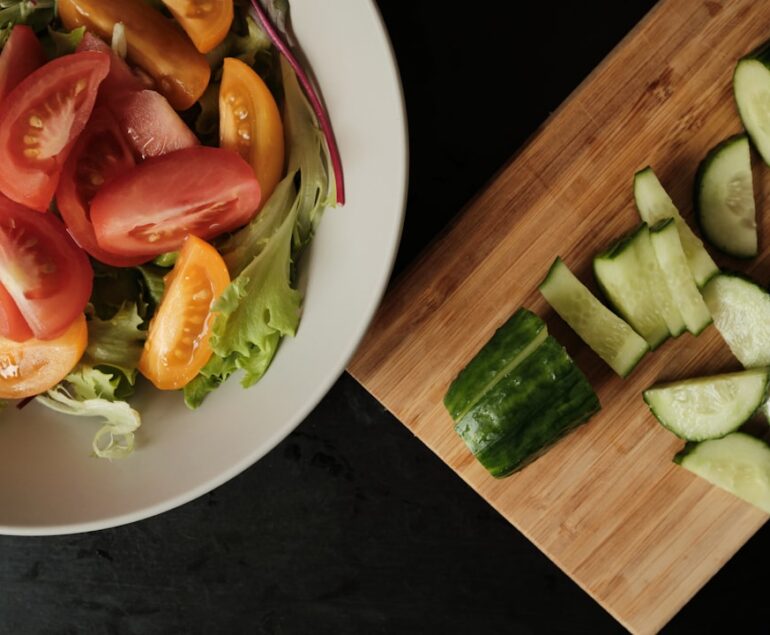
The DASH diet is the gold‑standard eating plan for lowering blood pressure naturally. It emphasizes:
| Food Group | Daily Goal | Why It Helps |
|————|————|————–|
| Fruits | 4–5 servings | Packed with potassium, fiber, and antioxidants that relax blood vessels |
| Vegetables | 4–5 servings | High in magnesium and nitrates that improve arterial flexibility |
| Whole Grains | 6–8 servings | Provide fiber that aids weight control and improves insulin sensitivity |
| Low‑Fat Dairy | 2–3 servings | Calcium and vitamin D support vascular tone |
| Lean Protein (poultry, fish, beans) | 2 or fewer servings | Keeps saturated fat low while supplying essential amino acids |
| Nuts & Seeds | 4–5 servings per week | Healthy fats and L‑arginine boost nitric oxide production |
| Limited Sweets & Red Meat | <5 % of total calories | Reduces inflammation and excess sodium |
Action step: Start by swapping one processed snack for a piece of fruit or a handful of unsalted almonds each day. Gradually build the rest of the plate around those choices.
1.2 Cut Sodium, Not Flavor
The American Heart Association recommends no more than 1,500 mg of sodium per day for most adults with hypertension. Here’s how to slash salt without sacrificing taste:
- Read labels: Look for “no added salt,” “low‑sodium,” or “sodium ≤ 140 mg per serving.”
- Cook from scratch: Fresh herbs (basil, rosemary, dill), spices (cumin, smoked paprika), citrus zest, and a splash of vinegar add depth without sodium.
- Rinse canned foods: Rinsing beans, lentils, and vegetables can remove up to 40 % of the sodium.
- Choose “no‑salt‑added” broths and make your own vegetable stock.
- Bananas (≈ 400 mg)
- Sweet potatoes (≈ 540 mg)
- Spinach & Swiss chard (≈ 540 mg per cup, cooked)
- Avocado (≈ 700 mg)
- Beans (black, kidney, lentils) (≈ 600 mg per cup)
- Yogurt (≈ 380 mg per cup)
- Olive oil – drizzle on salads or sauté veggies.
- Fatty fish (salmon, mackerel, sardines) – aim for 2 servings per week for omega‑3 EPA/DHA, which lower inflammation and modestly reduce blood pressure.
- Walnuts & flaxseeds – sprinkle on oatmeal or yogurt for a boost of alpha‑linolenic acid.
- Alcohol: More than 2 drinks per day for men or 1 drink per day for women can raise blood pressure. If you drink, keep it moderate and choose red wine (rich in polyphenols) only occasionally.
- Caffeine: Sensitive individuals may see a short‑term spike. Test your response by measuring blood pressure before and after a cup of coffee. If the rise exceeds 5 mm Hg, consider cutting back or switching to decaf.
- Brisk walking (≈ 3–4 mph)
- Cycling on flat terrain
- Water aerobics
- Dancing to your favorite playlist
- Create a wind‑down routine: dim lights 30 minutes before bed, avoid screens, and practice the 4‑7‑8 breathing.
- Optimize the bedroom: cool (≈ 65 °F), dark, and quiet. Consider a white‑noise machine if you’re sensitive to sound.
- Limit caffeine after 2 pm and avoid heavy meals within 2 hours of bedtime.
- Take readings after sitting quietly for 5 minutes, with the cuff at heart level.
- Record morning and evening values for a week; share the log with your healthcare provider.
- Goal: Consistently stay below 130/80 mm Hg (or your doctor’s target).
Quick tip: If you love soups, blend roasted carrots, tomatoes, and a pinch of turmeric for a naturally savory base that needs little salt.
1.3 Potassium‑Rich Power Foods
Potassium counteracts sodium’s blood‑pressure‑raising effect by helping kidneys excrete excess salt. Aim for 4,700 mg per day (the recommended intake for most adults). Top sources include:
Action step: Add a half‑cup of beans to your salad or swap a side of white rice for quinoa mixed with chopped kale and diced mango.
1.4 Healthy Fats that Keep Vessels Flexible
Monounsaturated and polyunsaturated fats improve endothelial function (the lining of blood vessels). Incorporate:
1.5 Limit Alcohol & Caffeine (Smart Moderation)
—
2. Move Your Body – Exercise as a Blood‑Pressure Prescription
2.1 Aerobic Activity: The Core Pillar
Guidelines from the American College of Sports Medicine suggest 150 minutes of moderate‑intensity aerobic exercise (or 75 minutes of vigorous activity) per week to lower blood pressure by 5‑8 mm Hg.
Examples of moderate‑intensity cardio:
How to start:
1. Week 1: 10‑minute walks, 5 days a week.
2. Week 2‑3: Increase to 15‑20 minutes, adding a gentle incline or light jogging intervals.
3. Week 4 onward: Reach 30‑45 minutes per session, aiming for 5–6 days weekly.
2.2 Resistance Training – Build Muscle, Burn Fat
Strength training improves insulin sensitivity and supports weight loss, both of which help lower blood pressure. Aim for 2–3 sessions per week, focusing on major muscle groups:
| Exercise | Sets | Reps |
|———-|——|——|
| Body‑weight squats | 3 | 12‑15 |
| Push‑ups (incline if needed) | 3 | 10‑12 |
| Dumbbell rows | 3 | 12‑15 |
| Plank | 3 | 30‑60 seconds |
| Glute bridges | 3 | 15‑20 |
Tip: Use a weight that makes the last 2‑3 reps feel challenging but doable. Progressive overload (adding a little weight or reps each week) ensures continued benefits.
2.3 Flexibility & Mind‑Body Practices
Yoga, tai chi, and Pilates not only improve flexibility but also reduce stress hormones that raise blood pressure. A 20‑minute yoga flow focusing on gentle twists and forward bends can lower systolic pressure by 4‑6 mm Hg in hypertensive adults.
Quick starter sequence (10 minutes):
1. Cat‑Cow (Marjaryasana‑Bitilasana) – 1 minute, synchronizing breath.
2. Downward‑Facing Dog (Adho Mukha Svanasana) – 1 minute, lengthening the spine.
3. Standing Forward Fold (Uttanasana) – 1 minute, releasing hamstrings.
4. Seated Spinal Twist (Ardha Matsyendrasana) – 30 seconds each side.
5. Savasana (Corpse Pose) – 2 minutes, focusing on deep diaphragmatic breathing.
2.4 Stay Consistent – The “Exercise Prescription” Checklist
| Daily Goal | ✔️ Check |
|————|———-|
| 30 min moderate cardio (or split into 2×15 min) | |
| 10 min strength work (body‑weight or dumbbells) | |
| 5 min deep breathing or stretching | |
| 7‑9 hours of sleep (see Section 4) | |
Mark each box each day. Consistency beats intensity for long‑term blood‑pressure control.
—
3. Stress Management – Calm the Mind, Calm the Vessels
3.1 The Physiology of Stress and Hypertension
When you’re stressed, the sympathetic nervous system releases adrenaline and cortisol, causing blood vessels to constrict and the heart to beat faster. Chronic activation keeps blood pressure elevated.
3.2 Deep‑Breathing & the 4‑7‑8 Technique
A simple breathing pattern can trigger the parasympathetic (rest‑and‑digest) response within minutes.
How to do it:
1. Inhale quietly through the nose for 4 seconds.
2. Hold the breath for 7 seconds.
3. Exhale slowly through the mouth for 8 seconds.
4. Repeat 4–6 cycles (about 2 minutes).
Do this three times daily—morning, lunch break, and before bed—to lower resting blood pressure by up to 5 mm Hg.
4. Lifestyle Tweaks That Make a Big Difference
#### 4.1 Weight Management – The Numbers Matter
Even a modest 5‑10 % reduction in body weight can drop systolic pressure by 5‑20 mm Hg. Combine the DASH diet with regular exercise and watch the scale move.
Practical tip: Keep a food diary or use a tracking app for at least 2 weeks. Awareness alone often leads to a 10‑15 % cut in daily calorie intake.
#### 4.2 Sleep – The Unsung Hero
Poor sleep (less than 6 hours or fragmented sleep) is linked to higher blood pressure. Aim for 7‑9 hours of quality sleep.
#### 4.3 Quit Smoking – A Must‑Do for Vascular Health
Nicotine spikes blood pressure and damages the endothelium. Quitting can improve arterial elasticity within weeks. Seek resources: nicotine replacement therapy, counseling, or mobile apps like QuitNow!.
#### 4.4 Hydration – Keep the Vessels Lubricated
Dehydration can cause blood to thicken, raising pressure. Aim for 2‑3 liters of water daily, more if you exercise heavily or live in a hot climate.
#### 4.5 Monitor Your Numbers – DIY or Professional?
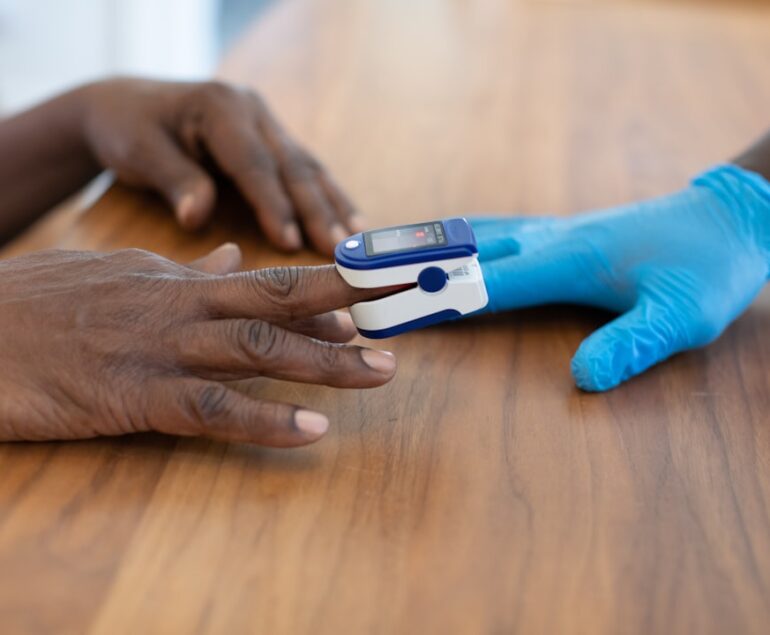
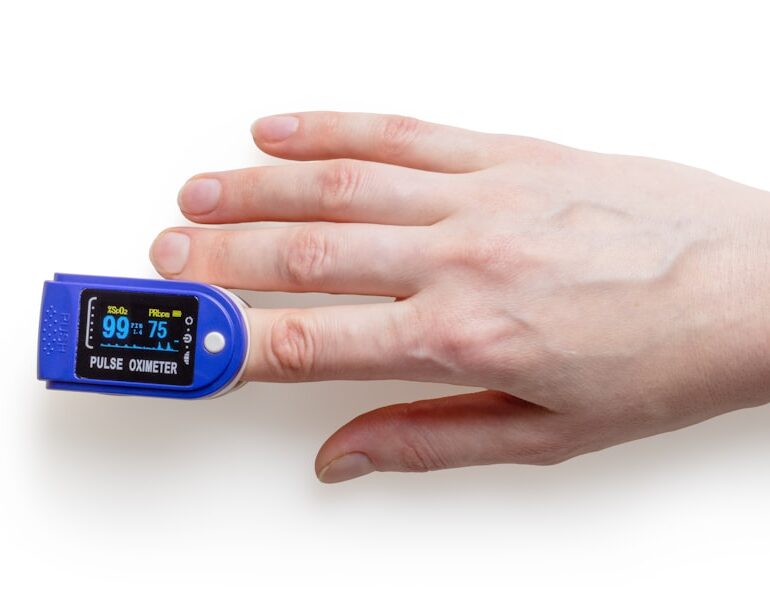
Home blood‑pressure monitors are inexpensive and accurate when used correctly.
—
5. Putting It All Together – A 30‑Day “Natural Blood‑Pressure Reset” Plan
| Day | Focus | Action |
|—–|——-|——–|
| 1‑3 | Baseline | Measure blood pressure twice daily. Start a food diary. |
| 4‑7 | Sodium Reset | Cut processed foods, use herbs instead of salt. |
| 8‑14 | Move More | Add 15 min brisk walk each day; do 2 strength sessions. |
| 15‑21 | Potassium Boost | Add a potassium‑rich side (beans, banana, spinach) to every dinner. |
| 22‑24 | Stress Reset | Practice 4‑7‑8 breathing 3×/day; try a 10‑min yoga flow. |
| 25‑27 | Sleep Upgrade | Set a consistent bedtime, dim lights early, no screens after 9 pm. |
| 28‑30 | Review & Adjust | Re‑measure blood pressure, compare to baseline, tweak any area that feels hard. |
By the end of the month many people report 5‑12 mm Hg reductions—enough to move from “stage 1 hypertension” into a safer range.
—
Conclusion – Key Takeaways for a Naturally Lower Blood Pressure
1. Eat the DASH way: Fill half your plate with fruits and veg, choose whole grains, keep sodium < 1,500 mg