—
Introduction – The Weight‑Loss Puzzle You’ve Been Waiting to Solve
Imagine stepping on the scale and seeing the numbers finally move in the direction you’ve been dreaming about for months—without feeling deprived, exhausted, or stuck in a cycle of yo‑yo dieting. It sounds almost too good to be true, right?
The truth is, weight loss isn’t a mysterious magic trick; it’s a science‑backed, habit‑driven process that anyone can master—if they have the right roadmap. In this 2,000‑word deep dive, we’ll break down the most common myths, give you a crystal‑clear understanding of how the body burns fat, and hand you actionable, step‑by‑step strategies you can start using today. Whether you’re a beginner who’s never set foot in a gym, a seasoned fitness enthusiast looking to fine‑tune your approach, or anyone in between, this guide will equip you with the tools to lose weight safely, effectively, and—most importantly—for good.
Let’s get started.
—
1. Understanding the Fundamentals: How Weight Loss Really Works
1.1 The Calorie Equation – Your Core Compass
At its simplest, weight loss boils down to one principle: energy balance. If you consume more calories than your body burns, those extra calories get stored as fat. If you consume fewer, your body taps into its fat reserves for fuel. This is often called the calorie deficit—the cornerstone of every successful weight‑loss plan.
Action Tip:
- Calculate your maintenance calories using an online TDEE (Total Daily Energy Expenditure) calculator. Input your age, gender, weight, height, and activity level.
- Create a modest deficit of 250–500 calories per day. This typically leads to a safe, sustainable loss of 0.5–1 lb (0.2–0.5 kg) per week.
- Build lean muscle through resistance training. Muscle tissue burns roughly 6–10 calories per pound each day, even at rest.
- Stay active throughout the day. Simple habits like taking the stairs, walking during phone calls, or using a standing desk can add 100–300 extra calories burned daily.
- Insulin regulates blood sugar and promotes fat storage when levels are chronically high (often from excessive refined carbs).
- Leptin signals satiety; resistance to leptin can make you feel hungry even after eating enough.
- Ghrelin spikes before meals, driving appetite.
- Prioritize protein at each meal (20–30 g). Protein blunts insulin spikes and promotes satiety.
- Limit sugary beverages and refined carbs to keep insulin levels steady.
- Get 7–9 hours of sleep nightly—sleep deprivation raises ghrelin and lowers leptin, increasing cravings.
- Shop the perimeter of the grocery store first—this area houses fresh produce, meats, dairy, and breads.
- Read labels: aim for ≤5 g added sugar and ≤3 g saturated fat per serving.
- Plate method: Fill half your plate with non‑starchy veg, a quarter with lean protein, and a quarter with complex carbs. This simple visual ensures balanced nutrition and portion control.
- Breakfast: A protein‑rich breakfast stabilizes blood sugar and reduces mid‑morning cravings.
- Pre‑workout snack: A small carb‑protein combo (e.g., banana + ½ cup Greek yogurt) fuels training without excess calories.
- Post‑workout meal: Aim for protein + carbs within 2 hours to support muscle repair and replenish glycogen.
- Try a 12‑hour eating window (e.g., 8 am–8 pm) if you’re comfortable with intermittent fasting. Many find it naturally reduces overall calorie intake.
- Drink a glass of water (≈16 oz) before each meal; this can reduce intake by up to 13 %.
- Aim for 2–3 L of water daily, more if you’re active or live in a hot climate.
- Cardiovascular exercise (running, cycling, swimming) burns calories during the activity and improves heart health.
- Strength training (weightlifting, bodyweight exercises) builds muscle, which raises your resting metabolic rate and reshapes your physique.
- Schedule 3–5 cardio sessions per week (30–45 min each) at moderate intensity (talk test).
- Add 2–3 strength days (full‑body workouts) focusing on compound movements (squat, deadlift, bench press, row, overhead press).
- Start with 2 HIIT sessions per week and progress to 3 as your fitness improves. Ensure at least 48 hours of recovery between intense sessions to avoid overtraining.
- Progressive overload: increase weight, reps, or sets every 2–3 weeks. This signals your body to keep building muscle, which protects your metabolism during a calorie deficit.
- Set a step goal (e.g., 10,000 steps). Use a phone or smartwatch to track.
- Incorporate micro‑movements: stand up every hour, take phone calls while walking, park farther from the entrance.
- Establish a bedtime routine: dim lights 30 min before sleep, avoid screens, and consider a short meditation or breathing exercise.
- Aim for 7–9 hours of uninterrupted sleep. If you struggle, try a consistent wake‑up time—even on weekends.
- Practice 5‑minute mindfulness daily. Apps like Insight Timer or Headspace offer quick guided sessions.
- Schedule “stress‑relief” activities (e.g., a walk in nature, reading, hobby) at least twice a week.
- Put away distractions (phone, TV) during meals.
- Chew each bite 20–30 times; this gives your brain time to register satiety.
- Use a hunger scale (1 = starving, 10 = stuffed). Stop eating when you reach 7–8.
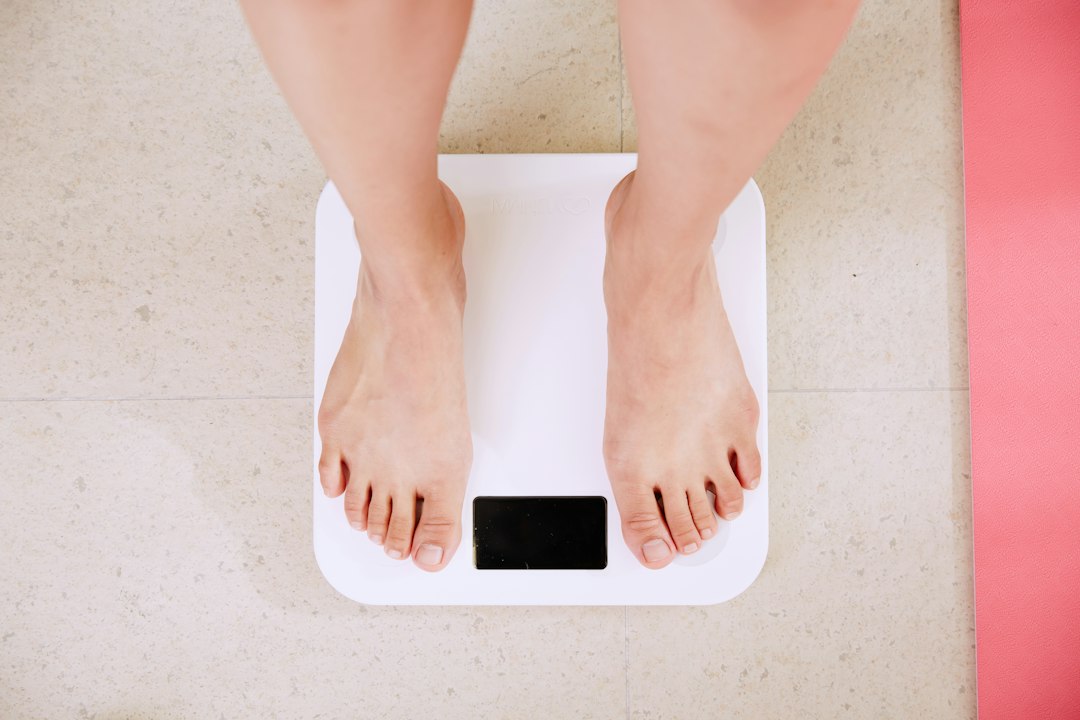
- Weigh yourself once a week—same day, same time, same scale.
- Take monthly progress photos (front, side, back) in the same clothing and lighting.
- Log food for a few days each month using a free app (MyFitnessPal, Cronometer)
1.2 Metabolism Matters – What It Is and What It Isn’t
Many people think a “slow metabolism” is the villain behind stubborn pounds. While metabolism does influence how many calories you burn at rest (your Basal Metabolic Rate, BMR), it’s not the sole determinant of weight loss. Lifestyle factors—diet composition, muscle mass, sleep quality, and stress levels—play massive roles in shaping your metabolic rate.
Action Tip:
1.3 The Role of Hormones – Insulin, Leptin, and Ghrelin
Hormones are the messengers that tell your brain when you’re hungry, full, or ready to store fat.
Balancing these hormones through diet and lifestyle can make your weight‑loss journey smoother.
Action Tip:
—
2. Nutrition Strategies That Actually Work
2.1 Choose Whole Foods Over Processed “Diet” Foods
Whole, minimally processed foods (vegetables, fruits, lean proteins, whole grains, nuts, and seeds) are naturally lower in calorie density and higher in nutrients. Processed “diet” foods often contain hidden sugars, unhealthy fats, and additives that can sabotage your progress.
Action Tip:
2.2 Master Portion Control Without Counting Every Calorie
You don’t need to become a full‑time food‑log nerd to lose weight. Visual portion guides help you stay in a calorie deficit while still enjoying your meals.
| Food Group | Visual Cue | Approx. Portion Size |
|————|————|———————-|
| Protein (chicken, fish, tofu) | Palm of hand | 3–4 oz (85–115 g) |
| Carbs (rice, pasta, potatoes) | Fist | ½ cup cooked |
| Vegetables | Two cupped hands | 1–2 cups |
| Healthy fats (avocado, nuts) | Thumb | 1 tbsp or ¼ avocado |
Action Tip:
2.3 Timing Is Not Everything—But It Can Help
While total daily calories matter most, meal timing can influence hunger, energy levels, and performance.
Action Tip:
2.4 Hydration – The Underrated Fat‑Burner
Water is essential for every metabolic process, including fat oxidation. Even mild dehydration can impair workout performance and increase hunger hormones.
Action Tip:
—
3. Exercise: The Fat‑Burning Engine
3.1 Cardio vs. Strength – Why You Need Both
Action Tip:
3.2 High‑Intensity Interval Training (HIIT) – Maximize Fat Loss in Minimal Time
HIIT alternates short bursts of all‑out effort with brief recovery periods. Studies show HIIT can burn up to 30 % more calories post‑exercise compared to steady‑state cardio—a phenomenon called excess post‑exercise oxygen consumption (EPOC).
Sample 20‑Minute HIIT Workout:
| Interval | Activity | Duration |
|———-|———-|———-|
| Warm‑up | Light jog or brisk walk | 3 min |
| Sprint | 30 sec all‑out sprint | 30 sec |
| Recovery | Walk or slow jog | 90 sec |
| Repeat | (Sprint + Recovery) × 6 | 12 min |
| Cool‑down | Stretch & deep breathing | 5 min |
Action Tip:
3.3 Strength Training Blueprint for Fat Loss
Goal: Preserve muscle while creating a calorie deficit.
Program Example (3‑day split):
| Day | Exercise | Sets × Reps |
|—–|———-|————-|
| Upper Body | Bench Press | 4 × 8‑10 |
| | Bent‑Over Row | 4 × 8‑10 |
| | Overhead Press | 3 × 10‑12 |
| | Pull‑Ups (or assisted) | 3 × max |
| | Bicep Curl | 2 × 12‑15 |
| | Tricep Dips | 2 × 12‑15 |
| Lower Body | Squat (or goblet) | 4 × 8‑10 |
| | Deadlift (Romanian) | 4 × 8‑10 |
| | Lunges | 3 × 12‑15 per leg |
| | Leg Curl (machine) | 3 × 12‑15 |
| | Calf Raise | 3 × 15‑20 |
| Full‑Body/Accessory | Kettlebell Swings | 3 × 15 |
| | Plank | 3 × 60 sec |
| | Farmer’s Walk | 2 × 30 sec |
Action Tip:
3.4 Move More in Daily Life – “Non‑Exercise Activity Thermogenesis” (NEAT)
NEAT includes all the calories you burn outside of formal workouts: walking to the mailbox, fidgeting, gardening, etc. It can account for up to 2,000 calories per day for highly active individuals.
Action Tip:
—
4. Lifestyle Pillars That Accelerate Fat Loss
4.1 Sleep – The Hidden Weight‑Loss Weapon
Sleep deprivation disrupts leptin and ghrelin, leading to increased hunger and cravings for high‑carb, high‑fat foods. It also reduces insulin sensitivity, making it harder for your body to use carbs for energy.
Action Tip:
4.2 Stress Management – Cortisol’s Impact on Belly Fat
Chronic stress elevates cortisol, a hormone that encourages fat storage—especially around the midsection—and can trigger emotional eating.
Action Tip:
4.3 Mindful Eating – Slow Down, Savor, Succeed
Mindful eating involves paying full attention to the experience of eating—taste, texture, hunger, and fullness cues. This reduces overeating and improves digestion.
Action Tip:
4.4 Tracking Progress – Data‑Driven Motivation
Numbers don’t lie, but they can also become a source of anxiety if misinterpreted. Use a combination of objective metrics (weight, body measurements, photos) and subjective metrics (energy levels, mood, clothing fit).
Action Tip: