—
Introduction – Why “Natural” Isn’t Just a Buzzword
Imagine checking your blood‑pressure cuff and seeing 120/80 mm Hg—the gold standard doctors cite for a healthy heart. For millions of people, that number feels like a distant dream. High blood pressure, or hypertension, silently damages arteries, strains the heart, and raises the risk of stroke, kidney disease, and premature death.
What if you could reduce blood pressure naturally without relying solely on medication? The good news is that lifestyle isn’t just a side note—it’s the headline. From the foods you eat to the way you breathe, everyday choices can move the needle on your numbers. In this guide, we’ll break down evidence‑backed, actionable strategies that let you take control of your blood pressure—no magic pills required.
(Keyword focus: reduce blood pressure naturally, natural ways to lower blood pressure, high blood pressure, hypertension, lifestyle changes)
—
1. Eat Like a Heart‑Healthy Hero: Dietary Shifts That Lower Blood Pressure
1.1. Embrace the DASH Diet (Dietary Approaches to Stop Hypertension)
The DASH diet is the gold standard for lowering blood pressure naturally. It emphasizes:
- Fruits & vegetables – aim for 4–5 servings each per day. Their potassium, magnesium, and fiber help vessels relax.
- Whole grains – swap refined breads for oats, quinoa, brown rice, or whole‑wheat pasta.
- Low‑fat dairy – 2–3 servings of milk, yogurt, or cheese provide calcium and vitamin D.
- Lean proteins – think skinless poultry, fish, beans, and nuts.
- Limited sodium – keep it under 1,500 mg per day (about 2/3 of a teaspoon of salt).
- Plant sterols (found in fortified spreads, nuts, and seeds) help improve arterial flexibility.
- Omega‑3 fatty acids—from fatty fish (salmon, sardines), flaxseed, or algae supplements—reduce inflammation and lower systolic pressure.
- Sit comfortably, eyes closed.
- Focus on the breath; when thoughts drift, gently bring attention back.
- Use a free meditation app (e.g., Insight Timer) for guided sessions.
- Keep the bedroom cool (≈65°F/18°C).
- Dim lights 30 minutes before bed.
- Avoid caffeine after 2 pm.
- Limit screen time; use “night mode” if needed.
- Portion control – use the “hand” method: protein the size of your palm, carbs the size of your fist, veggies two fists.
- Mindful eating – chew slowly, put utensils down between bites.
- Regular weigh‑ins – weekly, not daily, to avoid obsession.
- Alcohol: If you drink, keep it to ≤1 drink per day for women and ≤2 for men. Excess alcohol raises blood pressure and adds empty calories.
- Smoking: Nicotine causes acute spikes in pressure; quitting improves arterial health within weeks.
- Review your numbers every 3‑6 months.
- Discuss any side effects of current meds.
- Adjust dosage as lifestyle improvements take hold.
Action step: Pick one meal this week and redesign it using DASH guidelines. For breakfast, blend a berry‑banana smoothie with low‑fat Greek yogurt, a handful of spinach, and a sprinkle of chia seeds. That’s a potassium‑packed, low‑sodium start.
1.2. Potassium‑Power Foods
Potassium counteracts sodium’s blood‑pressure‑raising effect. Foods rich in potassium include:
| Food | Approx. Potassium (mg) per serving |
|——|———————————–|
| Sweet potato (1 medium) | 540 |
| Bananas (1 medium) | 422 |
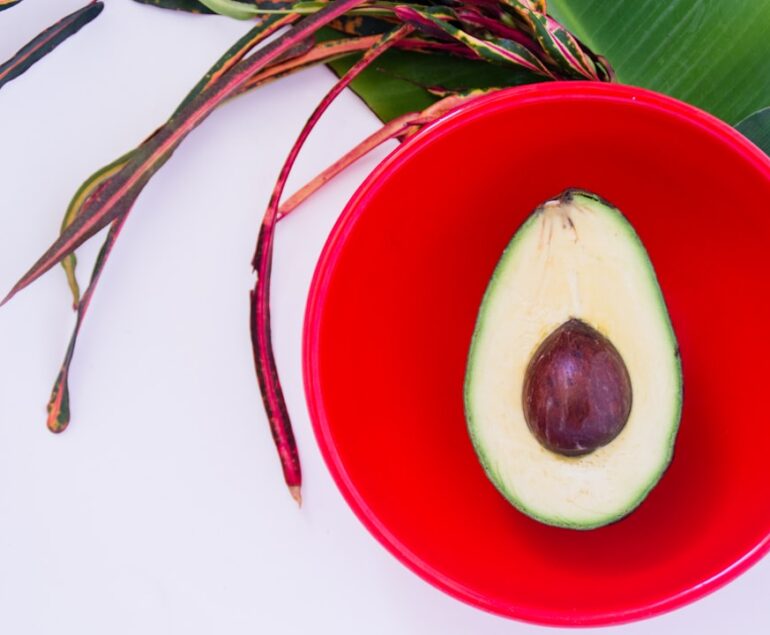
| Avocado (½ cup) | 487 |
| White beans (½ cup) | 600 |
| Spinach (cooked, ½ cup) | 420 |
Action step: Add at least one potassium‑rich side to each main meal. A simple sauté of spinach with garlic, or a side of roasted sweet potatoes, can make a big difference.
1.3. Cut the Hidden Sodium
Processed foods are sodium traps. Even “healthy” granola bars or flavored yogurts can contain 300–400 mg per serving.
Three quick swaps:
1. Read labels – choose products labeled “no added salt” or “low sodium (<140 mg per serving).”
2. Cook from scratch – using herbs, citrus zest, and vinegar for flavor eliminates the need for salt.
3. Season wisely – keep a spice rack stocked with garlic powder, smoked paprika, cumin, and rosemary.
Action step: For the next grocery trip, write a “low‑sodium” list and stick to it. Replace a store‑bought soup with a homemade broth seasoned with thyme and bay leaves.
1.4. The Power of Plant Sterols & Omega‑3s
Action step: Aim for two servings of fatty fish per week or add a tablespoon of ground flaxseed to your morning oatmeal.
—
2. Move Your Body, Move the Pressure Down: Exercise Strategies That Work
2.1. Aerobic Activity – The Blood‑Pressure Booster
The American Heart Association recommends 150 minutes of moderate‑intensity aerobic exercise per week (e.g., brisk walking, cycling, swimming). Studies show that regular aerobic activity can lower systolic pressure by 4–9 mm Hg—comparable to a low‑dose medication.
How to start:
| Week | Activity | Duration | Intensity |
|——|———-|———-|———–|
| 1 | Brisk walk | 20 min | Moderate (talk but can’t sing) |
| 2 | Add a second walk day | 20 min | Same |
| 3–4 | Introduce a 30‑min bike ride | 30 min | Moderate |
| 5+ | Mix in 1‑2 days of light jogging or swimming | 30‑45 min | Moderate‑vigorous |
Action step: Set a calendar reminder for a daily 20‑minute walk. Use a fitness tracker to log steps—seeing progress fuels motivation.
2.2. Resistance Training – Building Strong Vessels
Strength training 2–3 times per week improves insulin sensitivity and supports healthy blood vessels. Use bodyweight moves (squats, push‑ups, lunges) or light dumbbells.
Sample routine (30 min):
1. Warm‑up – 5 min marching in place.
2. Circuit – 3 rounds of:
– 12 squats
– 10 push‑ups (knees if needed)
– 12 bent‑over rows (dumbbell or water bottle)
– 30‑second plank
3. Cool‑down – gentle stretching.
Action step: Choose a day (e.g., Tuesday & Thursday) for this circuit. Keep a log of reps; aim to increase by 2‑3 reps each week.
2.3. Flexibility & Stress‑Reducing Movement
Yoga, tai chi, and Pilates blend gentle movement with deep breathing—both proven to lower blood pressure by reducing sympathetic nervous system activity.
Quick starter: Try a 10‑minute “Sun Salutation” flow each morning, focusing on smooth, controlled breaths.
Action step: Download a free 7‑day beginner yoga video series and practice before bed. Consistency beats intensity for stress reduction.
—
3. Stress Management – Calm the Mind, Calm the Heart
3.1. The Science Behind Stress and Hypertension
When you’re stressed, your body releases cortisol and adrenaline, causing blood vessels to constrict and heart rate to rise. Chronic stress keeps those vessels tight, nudging blood pressure upward.
3.2. Deep‑Breathing Techniques
Box breathing (4‑4‑4‑4) is a simple yet powerful method:
1. Inhale through the nose for 4 seconds.
2. Hold for 4 seconds.
3. Exhale slowly for 4 seconds.
4. Hold again for 4 seconds.
Repeat for 5 minutes—you’ll feel a noticeable drop in heart rate.
Action step: Set a timer on your phone for three 5‑minute sessions daily (morning, lunch, evening). Pair it with a calming playlist.
3.3. Progressive Muscle Relaxation (PMR)
PMR involves tensing each muscle group for 5 seconds, then releasing. Start at the toes and work up to the head. This practice reduces peripheral resistance and can shave off 2–3 mm Hg after a single session.
Action step: Use a guided PMR audio (many free apps) before bedtime, turning it into a nightly ritual.
3.4. Mindfulness & Meditation
Even 10 minutes of mindfulness meditation per day improves endothelial function (the lining of blood vessels) and lowers systolic pressure.
How to begin:
Action step: Schedule a “meditation break” after lunch. Consistency beats length—daily 10‑minute sessions are more effective than occasional hour‑long sessions.
—
4. Sleep, Weight, and Other Lifestyle Tweaks That Make a Difference
4.1. Prioritize Quality Sleep
Sleep deprivation spikes sympathetic activity, raising blood pressure. Aim for 7–9 hours of uninterrupted sleep.
Sleep‑hygiene checklist:
Action step: Track sleep with a wearable or phone app for a week. Identify patterns (late coffee, screen use) and adjust.
4.2. Achieve a Healthy Weight
Even modest weight loss (5–10 % of body weight) can lower systolic pressure by 4–5 mm Hg. Combine diet, exercise, and behavioral strategies:
Action step: Set a realistic target (e.g., lose 1 lb per week). Use a food‑tracking app to stay accountable.
4.3. Limit Alcohol & Quit Smoking
Action step: Replace an evening glass of wine with sparkling water infused with citrus. If you smoke, seek a quit‑line or nicotine‑replacement therapy.
4.4. Stay Hydrated & Manage Caffeine
Dehydration can cause the body to retain sodium, increasing pressure. Aim for 8‑10 cups of water daily. Regarding caffeine, most people tolerate up to 200 mg (≈1‑2 cups coffee) without a significant rise, but monitor your own response.
Action step: Carry a reusable water bottle. Set hourly reminders to take a sip.
—
5. Tracking Progress & When to Seek Professional Help
5.1. Home Blood‑Pressure Monitoring
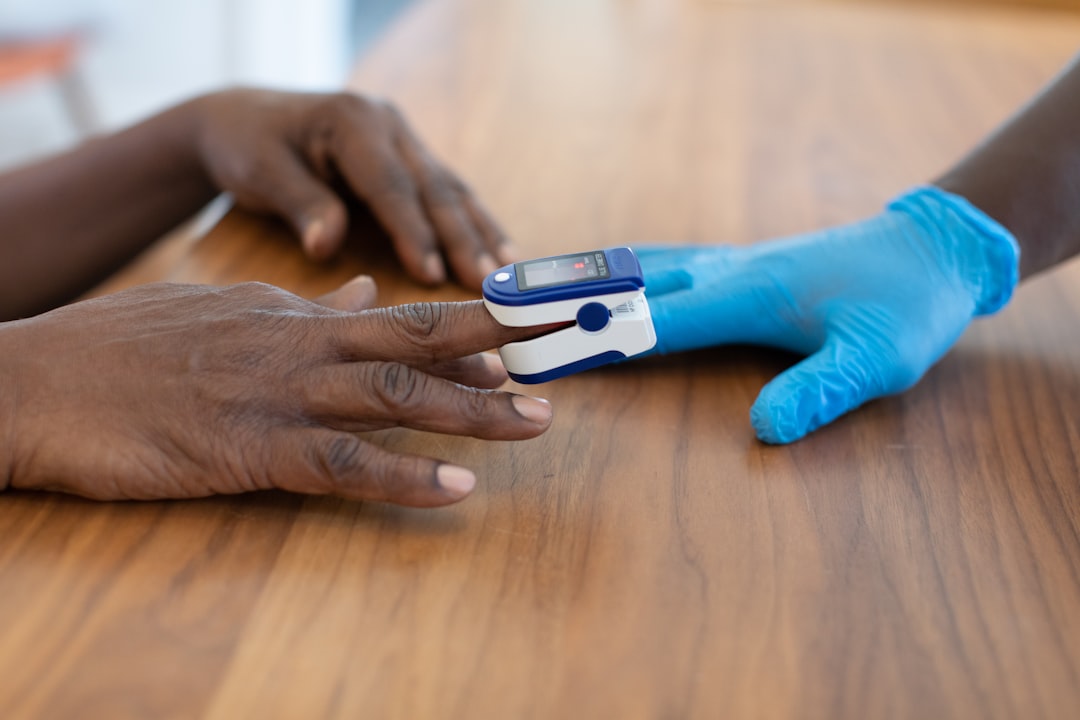
Invest in a validated automatic cuff. Measure at the same time each day (morning and evening) after a 5‑minute rest, using the same arm.
Recording template:
| Date | Time | Systolic | Diastolic | Notes (stress, caffeine, exercise) |
|——|——|———-|———–|————————————–|
Goal: Look for a downward trend over weeks, not day‑to‑day fluctuations.
5.2. Knowing When Medication Is Still Needed
Natural methods are powerful, but they may not replace medication for everyone—especially those with stage 2 hypertension (≥160/100 mm Hg) or underlying heart disease. Work with your physician to:
5.3. Building a Support System
Share your goals with family, friends, or an online community. Accountability partners can remind you of your walk, celebrate weight‑loss milestones, and keep you motivated.
Action step: Join a local “Heart‑Healthy” meetup or a Facebook group focused on hypertension management. Post weekly updates on your progress.
—
Conclusion – Your Blueprint for Naturally Lowering Blood Pressure
High blood pressure doesn’t have to be a life sentence. By eating a DASH‑rich diet, moving your body consistently, mastering stress‑reduction techniques, and fine‑tuning sleep, weight, and other daily habits, you can reduce blood pressure naturally and protect your heart for years to come.
Key takeaways:
1. Food first: Prioritize fruits, veg, whole grains, low‑fat dairy, and potassium‑dense choices while slashing hidden sodium.
2. Move daily: Aim for at least 150 minutes of moderate aerobic activity plus two strength sessions each week.
3. Breathe & relax: Incorporate deep‑breathing, progressive muscle relaxation, and mindfulness to calm the nervous system.
4. Lifestyle synergy: Quality sleep, healthy weight, limited alcohol, and quitting smoking amplify all other efforts.
5. Track & adjust: Use a home cuff, keep a simple log, and stay in partnership with your healthcare provider.
Start with one small change today—whether it’s swapping your morning cereal for oatmeal topped with berries and flaxseed, or taking a 15‑minute walk after lunch. Small, consistent actions compound into big health dividends. Your heart will thank you, and the numbers on the cuff will reflect the effort.
Ready to lower your blood pressure naturally? Pick the first action step that resonates, set a reminder, and watch the transformation begin. Your journey to a calmer, healthier circul