Are you aware that cardiovascular disease (CVD) is the leading cause of death worldwide, responsible for claiming over 17.9 million lives each year? This staggering statistic is a harsh reminder of the importance of prioritizing our heart health. Cardiovascular disease is often referred to as the “silent killer” because it can strike without warning, leaving devastating consequences in its wake. However, the good news is that with the right knowledge and preventive measures, we can significantly reduce our risk of developing CVD. In this comprehensive guide, we’ll delve into the world of cardiovascular disease, exploring its causes, symptoms, risk factors, and most importantly, ways to prevent and manage it.
What is Cardiovascular Disease?
Cardiovascular disease refers to a group of conditions that affect the heart and blood vessels, including coronary artery disease, heart failure, arrhythmias, and stroke. These conditions are often caused by a combination of genetic, lifestyle, and environmental factors, which can lead to the narrowing or blockage of blood vessels, reducing blood flow to the heart, brain, and other vital organs. The most common types of CVD include:
- Coronary artery disease: This occurs when the arteries that supply blood to the heart become narrowed or blocked, leading to a heart attack.
- Heart failure: This is a condition where the heart is unable to pump enough blood to meet the body’s needs, often caused by high blood pressure, diabetes, or coronary artery disease.
- Stroke: This occurs when the blood supply to the brain is interrupted, either due to a blockage or rupture of blood vessels.
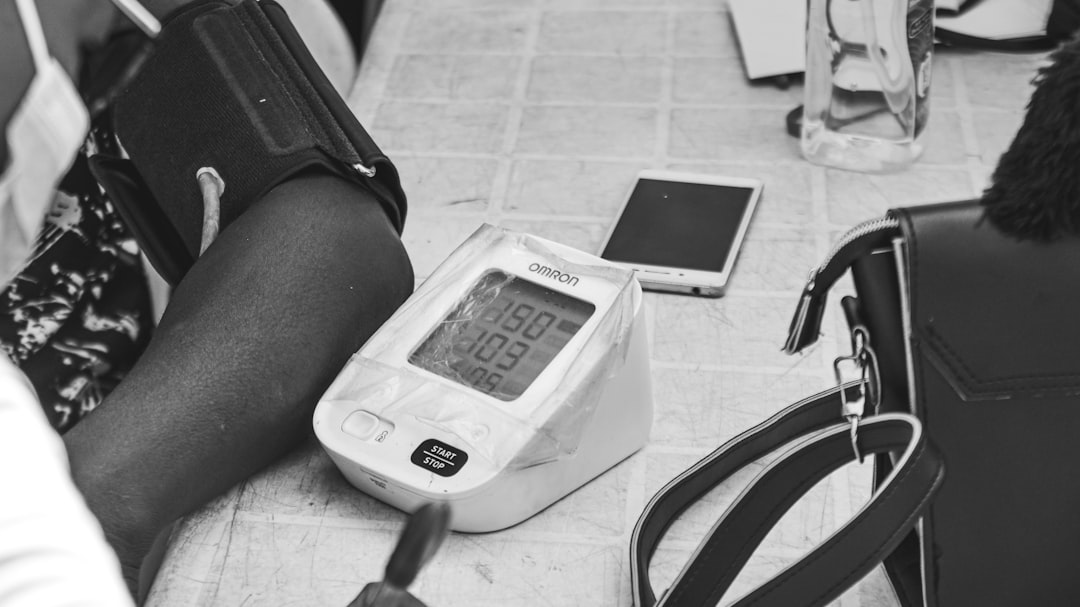
- High blood pressure: This is one of the most significant risk factors for CVD, as it can damage blood vessels and increase the risk of heart disease.
- High cholesterol: Elevated levels of low-density lipoprotein (LDL) cholesterol can lead to the buildup of plaque in blood vessels, increasing the risk of heart disease.
- Diabetes: People with diabetes are at a higher risk of developing CVD due to high blood sugar levels, which can damage blood vessels and nerves.
- Smoking: Smoking is a significant risk factor for CVD, as it damages blood vessels and increases blood pressure.
- Family history: Having a family history of CVD can increase your risk, especially if your parents or siblings developed the condition at a young age.
- Chest pain or discomfort: This can be a sign of a heart attack or angina.
- Shortness of breath: This can be a symptom of heart failure or coronary artery disease.
- Dizziness or lightheadedness: This can be a sign of a stroke or arrhythmia.
- Swelling in the legs, ankles, or feet: This can be a symptom of heart failure.
- Exercise regularly: Engage in at least 150 minutes of moderate-intensity aerobic exercise, such as brisk walking, cycling, or swimming, each week.
- Eat a heart-healthy diet: Focus on consuming a balanced diet rich in fruits, vegetables, whole grains, and lean protein sources, such as the Mediterranean diet.
- Maintain a healthy weight: Aim for a body mass index (BMI) between 18.5 and 24.9 to reduce your risk of developing CVD.
- Don’t smoke: Quit smoking to significantly reduce your risk of developing CVD.
- Get enough sleep: Aim for 7-8 hours of sleep each night to help regulate stress and blood pressure.
- Manage stress: Engage in stress-reducing activities, such as yoga, meditation, or deep breathing exercises, to help manage stress and anxiety.
- Medications: Such as statins, beta blockers, and ACE inhibitors, which can help lower blood pressure and cholesterol levels.
- Surgery: Such as coronary artery bypass grafting (CABG) or angioplasty, which can help restore blood flow to the heart.
- Cardiac rehabilitation: A program that combines exercise, education, and counseling to help manage CVD and improve overall health.
- Echocardiogram: A non-invasive test that uses sound waves to produce images of the heart.
- Stress test: A test that measures the heart’s ability to function under stress, often used to diagnose coronary artery disease.
- Cardiac computed tomography (CT) scan: A non-invasive test that uses X-rays to produce detailed images of the heart and blood vessels.
- Magnetic resonance imaging (MRI): A non-invasive test that uses magnetic fields and radio waves to produce detailed images of the heart and blood vessels.
- Cardiovascular disease is a leading cause of death worldwide, but it can be prevented and managed with the right knowledge and interventions.
- Lifestyle changes, such as regular exercise, a balanced diet, and stress management, can significantly reduce the risk of developing CVD.
- Advanced diagnostic techniques, such as echocardiograms and cardiac CT scans, can help detect CVD early, allowing for prompt treatment and management.
- Medical treatments, such as medications and surgery, can help manage CVD and improve overall health.
Risk Factors and Symptoms
Understanding the risk factors and symptoms of cardiovascular disease is crucial for early detection and prevention. Some of the key risk factors include:
Symptoms of cardiovascular disease can vary depending on the specific condition, but common signs include:
Prevention and Management
While cardiovascular disease can be a daunting condition, the good news is that there are many ways to prevent and manage it. Here are some actionable tips to reduce your risk:
In addition to these lifestyle changes, there are several medical treatments and interventions that can help manage CVD, including:
Advanced Diagnostic Techniques
Advances in medical technology have led to the development of several diagnostic techniques that can help detect CVD early, including:
These diagnostic techniques can help identify CVD early, allowing for prompt treatment and management, and reducing the risk of complications.
Conclusion
Cardiovascular disease is a complex and multifaceted condition that requires a comprehensive approach to prevention and management. By understanding the risk factors and symptoms, making lifestyle changes, and leveraging advanced diagnostic techniques, we can significantly reduce our risk of developing CVD. Remember, heart health is in your hands – take control today by making informed choices and prioritizing your well-being. Key takeaways include:
By following these tips and staying informed, you can take the first step towards a healthier, happier you – and reduce your risk of developing cardiovascular disease.