Are you one of the millions of people around the world living with high blood pressure? Also known as hypertension, this condition can lead to severe health complications, including heart disease, stroke, and kidney damage. While medication can help manage blood pressure, many people are looking for natural ways to reduce their numbers and improve their overall health. The good news is that there are many effective ways to lower blood pressure naturally, without relying on pharmaceuticals. In this comprehensive guide, we’ll explore the best natural methods for reducing blood pressure, from dietary changes to stress-reducing techniques.
Understanding High Blood Pressure
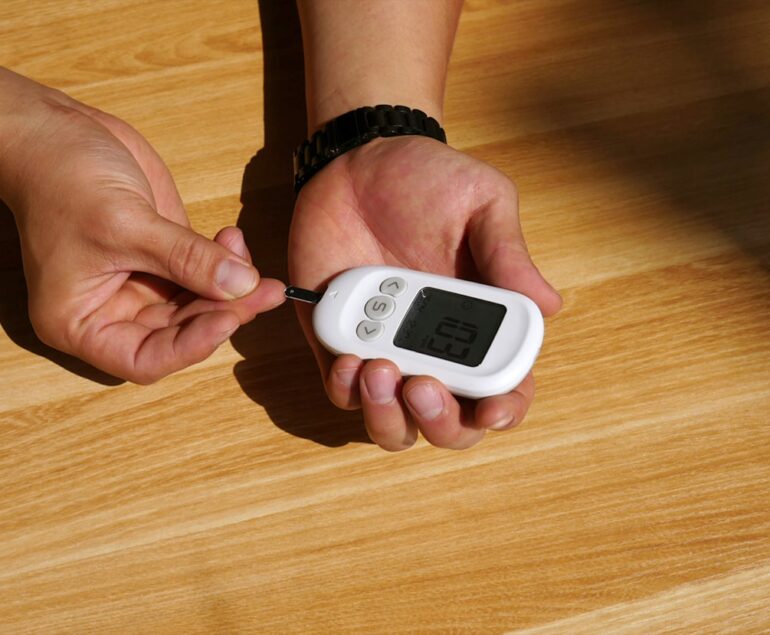
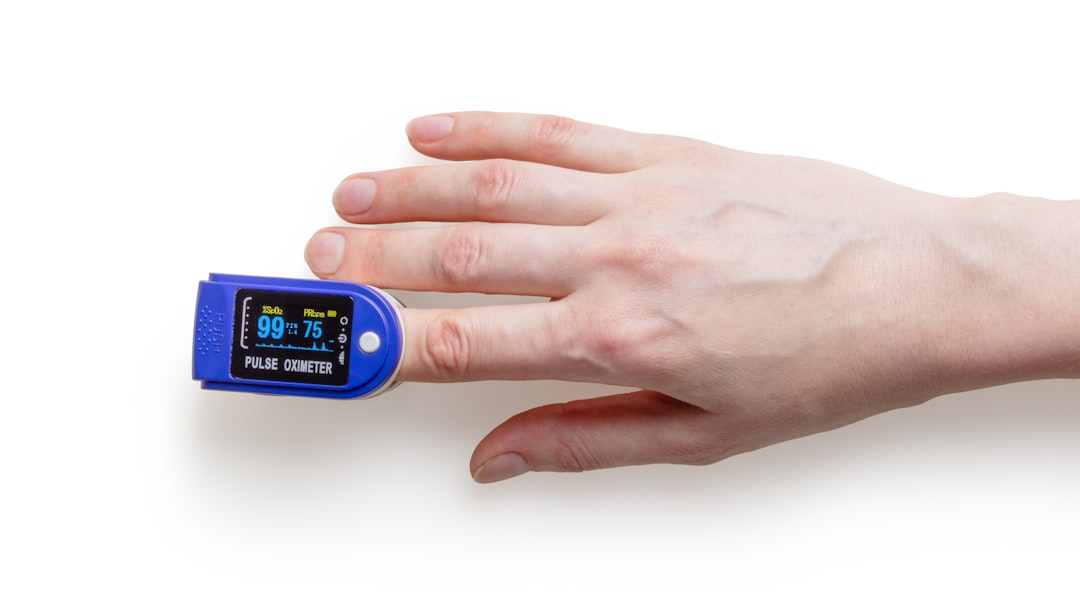
Before we dive into the natural ways to reduce blood pressure, it’s essential to understand what high blood pressure is and how it affects the body. Blood pressure is the force of blood pushing against the walls of arteries as it flows through the body. When this force becomes too high, it can cause damage to the blood vessels, heart, and other organs. High blood pressure is often referred to as the “silent killer” because it can go undetected for years, causing damage without any noticeable symptoms. The American Heart Association defines normal blood pressure as less than 120/80 mmHg, while high blood pressure is typically defined as 140/90 mmHg or higher.
Dietary Changes to Lower Blood Pressure
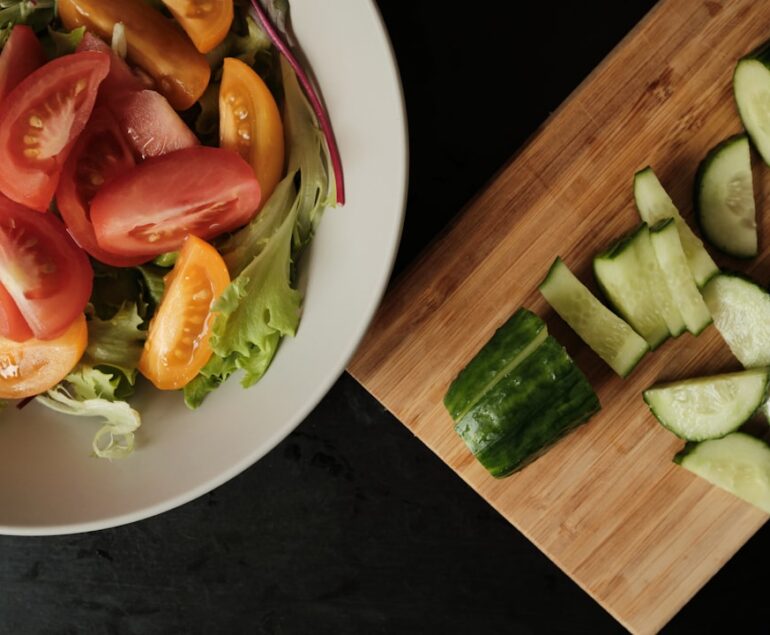
One of the most effective ways to reduce blood pressure naturally is through dietary changes. A healthy diet rich in fruits, vegetables, whole grains, and lean protein can help lower blood pressure and improve overall health. Here are some specific foods and nutrients that can help:
- Potassium-rich foods: Potassium helps balance sodium in the body and can lower blood pressure. Include potassium-rich foods like bananas, leafy greens, and sweet potatoes in your diet.
- Omega-3 fatty acids: Found in fatty fish like salmon and sardines, omega-3 fatty acids can help reduce inflammation and lower blood pressure.
- Fiber-rich foods: Fiber can help lower blood pressure by reducing inflammation and improving blood vessel function. Include fiber-rich foods like oats, barley, and fruits in your diet.
- Low-sodium diet: Reducing sodium intake can help lower blood pressure. Aim for less than 2,300 milligrams of sodium per day, and choose low-sodium options when possible.
- Processed meats: Processed meats like hot dogs and sausages are high in sodium and saturated fat, which can raise blood pressure.
- Sugary drinks: Sugary drinks like soda and sports drinks can increase blood pressure and contribute to weight gain.
- Refined carbohydrates: Refined carbohydrates like white bread and sugary snacks can cause a spike in blood pressure and insulin resistance.
- Regular exercise: Regular physical activity can help lower blood pressure and improve overall health. Aim for at least 150 minutes of moderate-intensity exercise per week, such as brisk walking, cycling, or swimming.
- Stress reduction: Stress can raise blood pressure, so it’s essential to find healthy ways to manage stress. Try techniques like meditation, deep breathing, or yoga to reduce stress and lower blood pressure.
- Adequate sleep: Getting enough sleep is crucial for blood pressure regulation. Aim for 7-8 hours of sleep per night and prioritize a consistent sleep schedule.
- Quit smoking: Smoking is a significant risk factor for high blood pressure, so quitting smoking can help lower blood pressure and improve overall health.
- Coenzyme Q10 (CoQ10): CoQ10 is an antioxidant that can help lower blood pressure and improve heart health.
- Fish oil supplements: Fish oil supplements rich in omega-3 fatty acids can help reduce inflammation and lower blood pressure.
- Garlic: Garlic has natural blood-thinning properties and may help lower blood pressure.
- Hawthorn: Hawthorn is a herb that has been used for centuries to treat high blood pressure and heart disease.
- Eat a healthy diet rich in fruits, vegetables, whole grains, and lean protein
- Limit or avoid foods that can raise blood pressure, such as processed meats and sugary drinks
- Engage in regular physical activity, such as brisk walking or cycling
- Practice stress-reducing techniques, such as meditation or deep breathing
- Get adequate sleep and prioritize a consistent sleep schedule
- Consider natural supplements and remedies, such as CoQ10 or fish oil supplements, under the guidance of your healthcare provider
In addition to incorporating these foods into your diet, it’s also important to limit or avoid foods that can raise blood pressure, such as:
Lifestyle Changes to Reduce Blood Pressure
While dietary changes are essential for reducing blood pressure, lifestyle changes can also play a significant role. Here are some lifestyle changes that can help:
Natural Supplements and Remedies
In addition to dietary and lifestyle changes, some natural supplements and remedies may also help reduce blood pressure. Here are some examples:
It’s essential to note that while these supplements and remedies may be helpful, they should not be used as a replacement for medical treatment. Consult with your healthcare provider before adding any new supplements or remedies to your routine.
Conclusion and Key Takeaways
Reducing blood pressure naturally requires a comprehensive approach that includes dietary changes, lifestyle modifications, and natural supplements and remedies. By incorporating the tips and strategies outlined in this guide, you can lower your blood pressure and improve your overall health. Remember to:
By taking control of your blood pressure and making healthy lifestyle choices, you can reduce your risk of heart disease, stroke, and other health complications. Remember to consult with your healthcare provider before making any significant changes to your diet or lifestyle, and work together to develop a personalized plan for reducing your blood pressure and improving your overall health.