Are you tired of feeling like you’re stuck with high cholesterol, forced to rely on medications and restrictive diets to manage your levels? The good news is that you have the power to take control of your cholesterol levels and improve your overall heart health through natural means. In this post, we’ll delve into the world of natural cholesterol reduction, exploring the most effective strategies, foods, and lifestyle changes to help you achieve a healthier heart. So, let’s get started on this journey to lower cholesterol naturally and discover a more vibrant, energetic you!
Understanding Cholesterol and Its Impact on Health
Before we dive into the natural ways to lower cholesterol, it’s essential to understand what cholesterol is and how it affects our health. Cholesterol is a type of fat found in the bloodstream, and it plays a crucial role in various bodily functions, such as hormone production and cell membrane structure. However, when cholesterol levels become too high, it can lead to the formation of plaque in the arteries, increasing the risk of heart disease, heart attacks, and strokes. The American Heart Association recommends keeping total cholesterol levels below 200 milligrams per deciliter (mg/dL) to minimize the risk of cardiovascular disease.
There are two main types of cholesterol: low-density lipoprotein (LDL) and high-density lipoprotein (HDL). LDL cholesterol is often referred to as “bad” cholesterol, as it contributes to the buildup of plaque in the arteries. On the other hand, HDL cholesterol is considered “good” cholesterol, as it helps remove excess cholesterol from the bloodstream and transport it to the liver for excretion. Maintaining a healthy balance between LDL and HDL cholesterol is vital for overall heart health.
Dietary Changes to Lower Cholesterol Naturally
The food we eat plays a significant role in determining our cholesterol levels. By incorporating the right foods into our diet and avoiding those that can raise cholesterol, we can take a significant step towards lowering our cholesterol levels naturally. Here are some of the most effective dietary changes to help you get started:
- Soluble Fiber: Foods rich in soluble fiber, such as oats, barley, fruits, and vegetables, can help lower LDL cholesterol levels. Soluble fiber binds to bile acids in the gut, which are then excreted, rather than being reabsorbed into the bloodstream. This process can help reduce the amount of cholesterol produced in the liver.
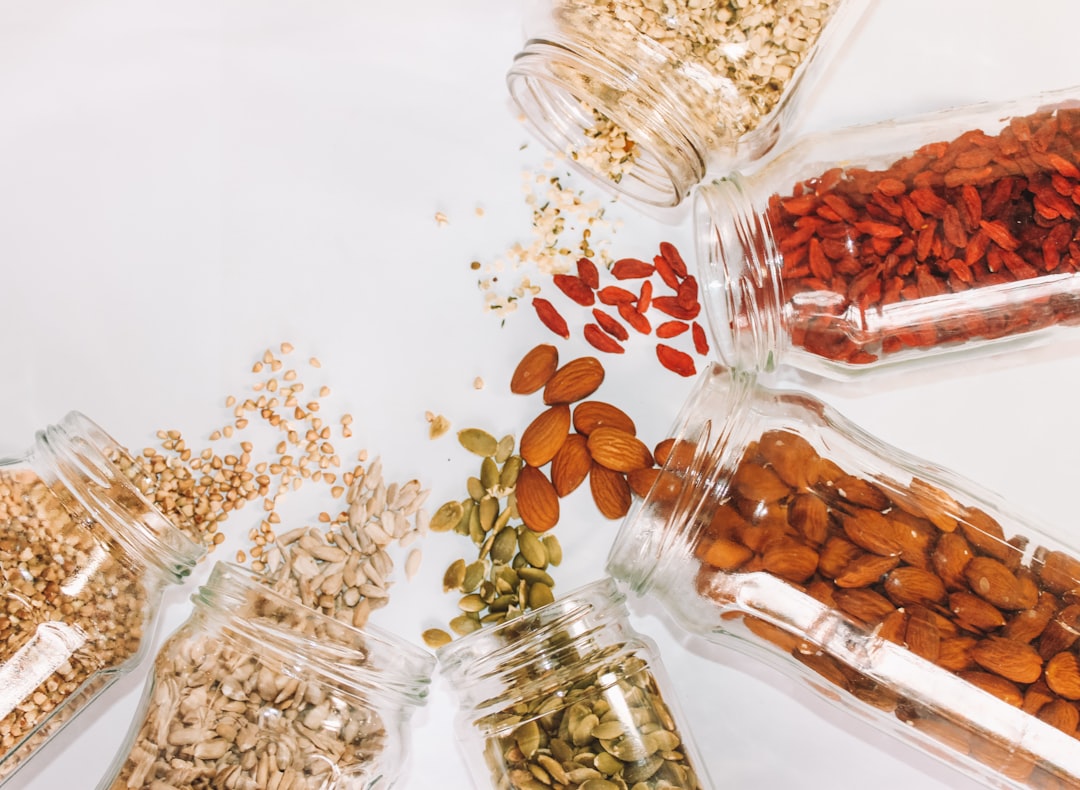
- Healthy Fats: Avocados, nuts, and olive oil are all rich in healthy fats that can help raise HDL cholesterol levels and lower LDL cholesterol levels. These foods are also rich in antioxidants and other nutrients that can help protect against heart disease.
- Omega-3 Fatty Acids: Fatty fish, such as salmon and sardines, are rich in omega-3 fatty acids, which can help reduce inflammation and improve heart health. You can also find omega-3 fatty acids in flaxseeds, chia seeds, and walnuts.
- Plant-Based Protein: Plant-based protein sources, such as beans, lentils, and tofu, can help lower LDL cholesterol levels and improve overall heart health. These foods are also rich in fiber, vitamins, and minerals.
- Regular Exercise: Regular physical activity can help raise HDL cholesterol levels and lower LDL cholesterol levels. Aim for at least 150 minutes of moderate-intensity exercise or 75 minutes of vigorous-intensity exercise per week.
- Stress Reduction: Chronic stress can raise cortisol levels, which can contribute to increased cholesterol production in the liver. Engage in stress-reducing activities, such as meditation, yoga, or deep breathing exercises, to help manage stress levels.
- Sleep and Relaxation: Getting enough sleep and practicing relaxation techniques can help regulate stress hormones and support cholesterol reduction. Aim for 7-8 hours of sleep per night and engage in relaxation techniques, such as reading or listening to music, before bed.
- Quit Smoking: Smoking can significantly raise LDL cholesterol levels and lower HDL cholesterol levels. Quitting smoking can help improve overall heart health and reduce the risk of cardiovascular disease.
- Plant Sterols and Stanols: Plant sterols and stanols are natural substances found in plants that can help lower LDL cholesterol levels. You can find these substances in fortified foods, such as margarine and orange juice, or take them as supplements.
- Fish Oil Supplements: Fish oil supplements are rich in omega-3 fatty acids, which can help reduce inflammation and improve heart health. Look for supplements that contain a combination of EPA and DHA, the two most beneficial types of omega-3 fatty acids.
- Coenzyme Q10 (CoQ10): CoQ10 is an antioxidant that can help protect against heart disease by reducing inflammation and improving energy production in cells. You can find CoQ10 in food sources, such as meat and fish, or take it as a supplement.
- Garlic: Garlic has been shown to have natural cholesterol-lowering properties, as it can help reduce the production of cholesterol in the liver. You can incorporate garlic into your diet through food or take it as a supplement.
- Dietary changes, such as incorporating soluble fiber, healthy fats, and plant-based protein, can help lower LDL cholesterol levels and raise HDL cholesterol levels.
- Lifestyle changes, such as regular exercise, stress reduction, and sleep, can support cholesterol reduction and improve overall heart health.
- Supplements and natural remedies, such as plant sterols and stanols, fish oil supplements, CoQ10, and garlic, may also help support cholesterol reduction.
- A comprehensive approach that incorporates dietary changes, lifestyle modifications, and supplements or natural remedies can help you achieve a healthier heart and lower cholesterol levels naturally.
In addition to incorporating these foods into your diet, it’s essential to limit your intake of saturated and trans fats, which can raise LDL cholesterol levels. Foods high in saturated and trans fats include red meat, full-fat dairy products, and processed snacks.
Lifestyle Changes to Support Cholesterol Reduction
While dietary changes are essential for lowering cholesterol naturally, lifestyle changes can also play a significant role in supporting cholesterol reduction. Here are some of the most effective lifestyle changes to help you get started:
Supplements and Natural Remedies for Cholesterol Reduction
In addition to dietary and lifestyle changes, certain supplements and natural remedies may also help support cholesterol reduction. Here are some of the most effective supplements and natural remedies to consider:
In conclusion, lowering cholesterol naturally requires a comprehensive approach that incorporates dietary changes, lifestyle modifications, and supplements or natural remedies. By understanding the impact of cholesterol on health and making informed choices, you can take control of your cholesterol levels and improve your overall heart health. Remember, it’s all about making sustainable lifestyle changes that you can maintain in the long term, rather than relying on quick fixes or fad diets. With patience, persistence, and the right guidance, you can achieve a healthier heart and a more vibrant, energetic you.
Key takeaways: