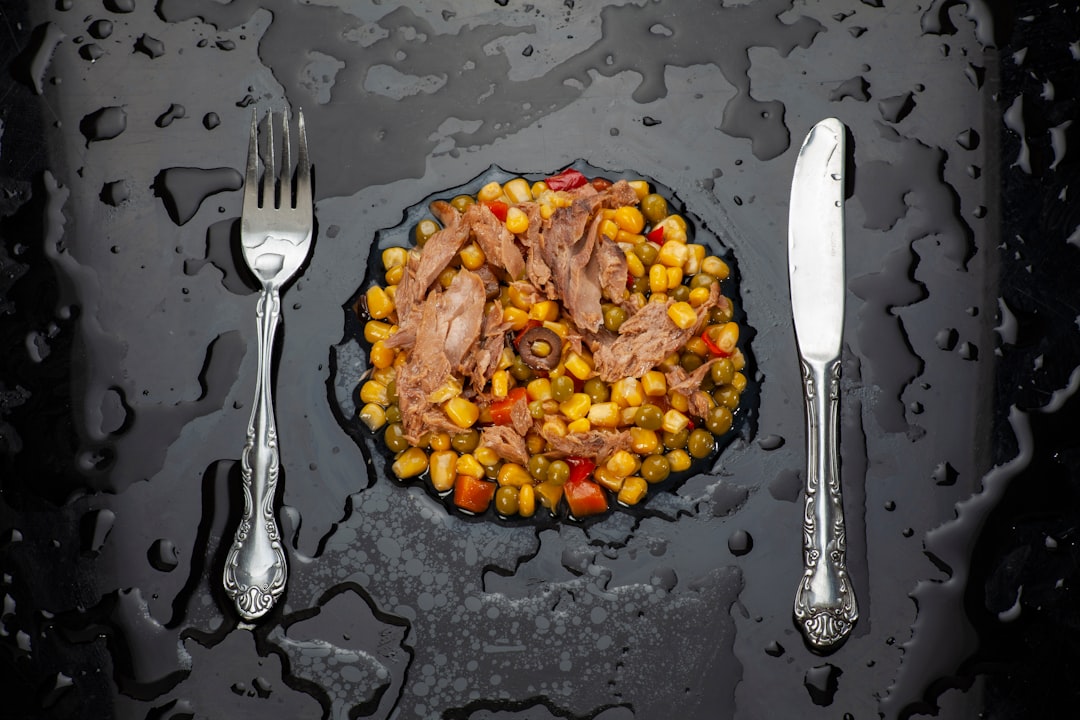
Are you tired of trying fad diets and quick fixes that promise the world but deliver little to no results? Do you want to finally achieve your weight loss goals and maintain a healthy, balanced lifestyle? You’re not alone. Millions of people around the world struggle with weight loss, and it’s easy to get caught up in the latest trends and gimmicks. But the truth is, sustainable weight loss is not about following a restrictive diet or exercising for hours a day. It’s about making small, incremental changes to your daily habits and adopting a holistic approach to health and wellness.
Understanding Your Body and Setting Realistic Goals
Before we dive into the nitty-gritty of weight loss, it’s essential to understand how your body works and set realistic goals. Your body is a complex system that’s influenced by a multitude of factors, including your diet, exercise routine, stress levels, and sleep patterns. To achieve sustainable weight loss, you need to focus on making progress, not perfection. This means setting realistic goals that are tailored to your individual needs and lifestyle.
For example, if you’re trying to lose 50 pounds, it’s unlikely that you’ll reach your goal in a matter of weeks. Instead, aim to lose 1-2 pounds per week, which is a safe and sustainable rate of weight loss. This may seem slow, but it’s a more reliable and maintainable approach in the long run. Additionally, focus on progress, not perfection. Don’t be too hard on yourself if you slip up – simply get back on track and keep moving forward.
Nutrition and Meal Planning: The Foundation of Weight Loss
When it comes to weight loss, nutrition is key. What you eat has a direct impact on your body’s ability to burn fat and maintain muscle mass. The good news is that you don’t need to follow a restrictive diet or cut out entire food groups to achieve your weight loss goals. Instead, focus on eating a balanced diet that’s rich in whole foods, including fruits, vegetables, lean proteins, and whole grains.
Meal planning is also essential for weight loss. By planning your meals in advance, you can ensure that you’re getting the nutrients you need to support your weight loss goals. Aim to cook at home most nights, using fresh ingredients and simple recipes. Avoid processed and packaged foods, which are often high in added sugars, salt, and unhealthy fats.
Some of the best foods for weight loss include:
- Leafy greens, such as spinach and kale
- Berries, such as blueberries and strawberries
- Nuts and seeds, such as almonds and chia seeds
- Fatty fish, such as salmon and tuna
- Sweet potatoes and other complex carbohydrates
- Sugary drinks, such as soda and sports drinks
- Refined carbohydrates, such as white bread and pasta
- Processed meats, such as hot dogs and sausages
- Fried foods, such as french fries and fried chicken
- High-fat dairy products, such as cheese and whole milk
- Brisk walking, jogging, and running
- Swimming, cycling, and other cardio activities
- Strength training, such as weightlifting and bodyweight exercises
- High-intensity interval training (HIIT)
- Yoga and Pilates, which can help improve flexibility and balance
- Practicing self-care and self-compassion
- Setting realistic goals and celebrating progress
- Finding a supportive community or accountability partner
- Focusing on the journey, not just the destination
- Embracing challenges and setbacks as opportunities for growth
- Reading success stories and inspiring blogs
- Following fitness and wellness influencers on social media
- Joining a weight loss support group or online community
- Rewarding yourself for milestones and achievements
- Finding activities that bring you joy and make you feel alive
- Setting realistic goals and focusing on progress, not perfection
- Eating a balanced diet that’s rich in whole foods
- Incorporating physical activity into your daily routine
- Developing a healthy mindset and finding ways to stay motivated and inspired
- Embracing challenges and setbacks as opportunities for growth
On the other hand, some of the worst foods for weight loss include:
Exercise and Physical Activity: The Key to Burning Calories and Building Muscle
Exercise is a crucial component of weight loss, but it’s not just about burning calories. Regular physical activity can also help you build muscle mass, boost your metabolism, and improve your overall health and wellbeing. Aim to exercise for at least 150 minutes per week, including a mix of cardio and strength training.
Some of the best exercises for weight loss include:
Remember, exercise is not a one-size-fits-all approach. Find activities that you enjoy and that fit your lifestyle, and aim to do them regularly. You can also incorporate physical activity into your daily routine, such as taking the stairs instead of the elevator or walking to work.
Mindset and Motivation: The Secret to Long-Term Success
Weight loss is not just about physical changes – it’s also about mental and emotional transformation. To achieve long-term success, you need to develop a healthy mindset and find ways to stay motivated and inspired.
Some tips for cultivating a positive mindset include:
Additionally, find ways to stay motivated and inspired, such as:
Conclusion and Key Takeaways
Sustainable weight loss is a journey, not a destination. It’s about making small, incremental changes to your daily habits and adopting a holistic approach to health and wellness. By focusing on nutrition, exercise, and mindset, you can achieve your weight loss goals and maintain a healthy, balanced lifestyle.
Key takeaways include:
Remember, weight loss is not a one-size-fits-all approach. What works for someone else may not work for you, and that’s okay. The most important thing is to find a approach that works for you and to stick with it. With patience, persistence, and the right mindset, you can achieve your weight loss goals and live a healthier, happier life.