Are you aware of the silent killer that’s lurking in your bloodstream, waiting to strike? High levels of bad cholesterol can lead to a heart attack or stroke, claiming thousands of lives every year. But there’s good news: a simple blood test can reveal the state of your lipid profile, giving you the power to take control of your heart health. In this comprehensive guide, we’ll delve into the world of lipid profiles, exploring what they are, why they’re essential, and how you can use them to make informed decisions about your health.
Understanding Lipid Profiles: The Basics
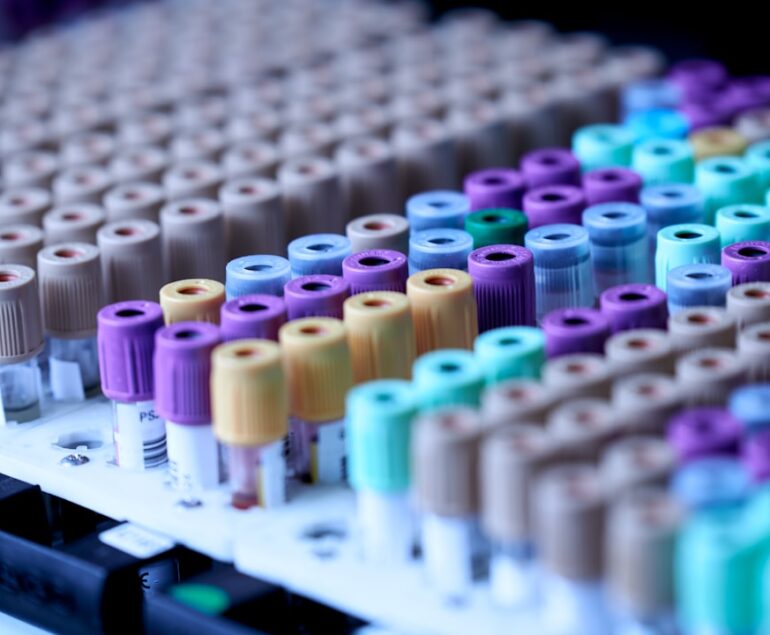
A lipid profile, also known as a lipid panel, is a blood test that measures the levels of different types of cholesterol and triglycerides in your blood. Cholesterol is a fatty substance that’s essential for various bodily functions, such as building cell membranes and producing hormones. However, when cholesterol levels become too high, it can lead to the formation of plaque in your arteries, increasing the risk of cardiovascular disease. A lipid profile typically includes measurements of:
- Total cholesterol: The total amount of cholesterol in your blood, including both good (HDL) and bad (LDL) cholesterol.
- HDL (high-density lipoprotein) cholesterol: Often referred to as “good” cholesterol, HDL helps remove excess cholesterol from your bloodstream and transport it to your liver for excretion.
- LDL (low-density lipoprotein) cholesterol: Known as “bad” cholesterol, LDL can accumulate in your arteries, leading to plaque buildup and increased cardiovascular risk.
- Triglycerides: A type of fat found in your blood, triglycerides can also contribute to the development of cardiovascular disease.
- Total cholesterol: Less than 200 mg/dL is considered desirable, while 200-239 mg/dL is borderline high, and 240 mg/dL or higher is high.
- HDL cholesterol: 60 mg/dL or higher is considered high, which is a good thing! HDL levels below 40 mg/dL increase the risk of cardiovascular disease.
- LDL cholesterol: Less than 100 mg/dL is considered optimal, while 100-129 mg/dL is near optimal, and 130 mg/dL or higher is high.
- Triglycerides: Less than 150 mg/dL is considered normal, while 150-199 mg/dL is borderline high, and 200 mg/dL or higher is high.
- Diet: Focus on consuming a heart-healthy diet rich in fruits, vegetables, whole grains, and lean protein sources. Avoid saturated and trans fats, added sugars, and refined carbohydrates.
- Exercise: Regular physical activity can help raise HDL levels and lower triglycerides. Aim for at least 150 minutes of moderate-intensity aerobic exercise or 75 minutes of vigorous-intensity aerobic exercise per week.
- Weight management: Maintaining a healthy weight can help improve your lipid profile and reduce your risk of cardiovascular disease.
- Smoking cessation: Quitting smoking can significantly lower your risk of cardiovascular disease and improve your overall health.
- Medications: If lifestyle changes aren’t enough, your healthcare provider may prescribe medications to help lower your cholesterol levels. Statins, fibrates, and niacin are common medications used to treat high cholesterol.
- Apolipoprotein B (ApoB) testing: Measures the number of LDL particles in your blood, which can provide a more accurate assessment of cardiovascular risk.
- Lipoprotein(a) [Lp(a)] testing: Measures the levels of a specific type of LDL cholesterol that’s associated with increased cardiovascular risk.
- LDL particle size testing: Measures the size of LDL particles, which can help identify individuals at higher risk of cardiovascular disease.
- Get regular lipid profile tests to monitor your cholesterol levels and cardiovascular risk.
- Focus on making lifestyle changes, such as dietary modifications and increased physical activity, to improve your lipid profile.
- Consult with your healthcare provider to determine the best course of action for your unique needs.
- Consider advanced lipid testing to gain a more detailed understanding of your cholesterol levels and cardiovascular risk.
Interpreting Your Lipid Profile Results: What Do the Numbers Mean?
Receiving your lipid profile results can be a daunting experience, especially if you’re not familiar with the numbers and what they represent. Here’s a breakdown of the different ranges and what they mean for your health:
It’s essential to note that these ranges are general guidelines and may vary depending on your individual circumstances, such as age, sex, and other health factors. Consult with your healthcare provider to determine the best course of action based on your unique needs.
Managing Your Lipid Profile: Lifestyle Changes and Treatment Options
Fortunately, there are many ways to manage your lipid profile and reduce your risk of cardiovascular disease. Here are some lifestyle changes and treatment options to consider:
Advanced Lipid Testing: Beyond the Basics
While a standard lipid profile provides valuable information, advanced lipid testing can offer a more detailed look at your cholesterol levels and cardiovascular risk. Some advanced tests include:
These advanced tests can help identify individuals who may be at higher risk of cardiovascular disease, despite having normal or near-normal lipid profiles. However, it’s essential to consult with your healthcare provider to determine if advanced lipid testing is right for you.
Conclusion: Taking Control of Your Lipid Profile and Heart Health
In conclusion, a lipid profile is a powerful tool for assessing your heart health and reducing your risk of cardiovascular disease. By understanding your lipid profile results, making informed lifestyle changes, and exploring treatment options, you can take control of your health and well-being. Remember, a healthy lipid profile is just one aspect of overall heart health. By combining a balanced diet, regular exercise, and stress management, you can significantly reduce your risk of cardiovascular disease and live a longer, healthier life. Key takeaways include:
By following these tips and taking a proactive approach to your heart health, you can unlock the secrets to a healthy lipid profile and reduce your risk of cardiovascular disease. So, take the first step today and schedule a lipid profile test – your heart will thank you!