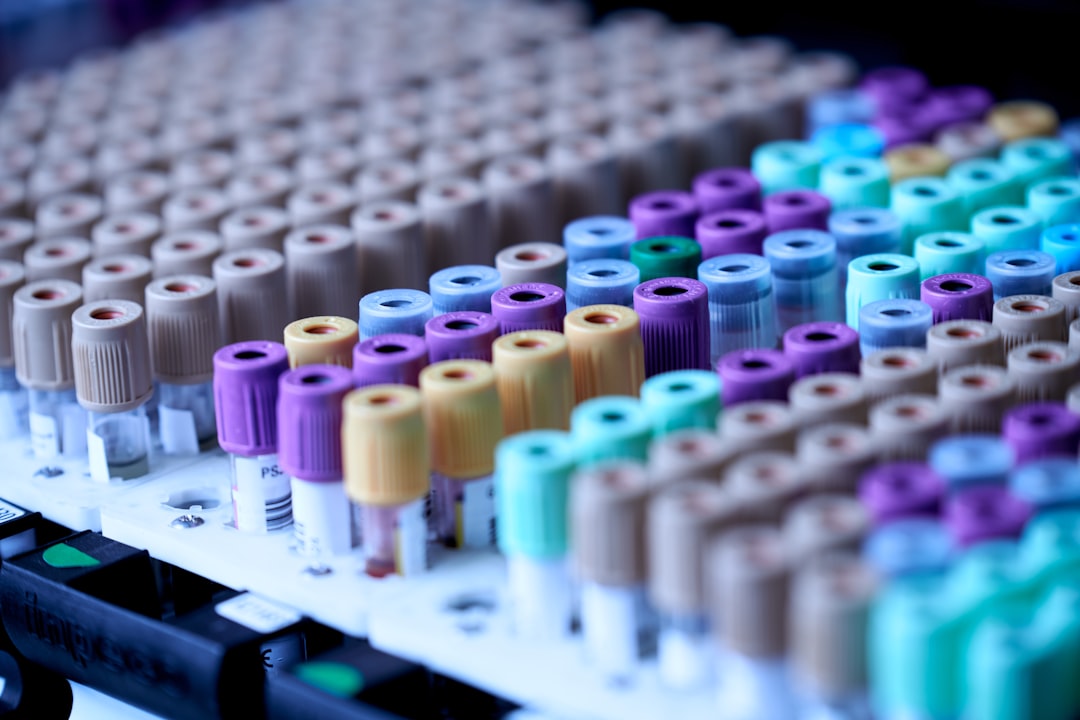
Are you one of the millions of people who have been told to get a lipid profile test, but have no idea what it means or why it’s important? You’re not alone. A lipid profile, also known as a lipid panel, is a blood test that measures the levels of different types of cholesterol and triglycerides in your blood. But what does it all mean, and how can you use this information to take control of your heart health? In this article, we’ll delve into the world of lipid profiles, exploring what they are, why they’re important, and how you can use this information to make informed decisions about your health.
What is a Lipid Profile?
A lipid profile is a blood test that measures the levels of different types of lipids, or fats, in your blood. These lipids include low-density lipoprotein (LDL) cholesterol, high-density lipoprotein (HDL) cholesterol, and triglycerides. LDL cholesterol is often referred to as “bad” cholesterol, because high levels can increase your risk of heart disease and stroke. HDL cholesterol, on the other hand, is known as “good” cholesterol, because it helps remove excess cholesterol from your bloodstream. Triglycerides are a type of fat that can also increase your risk of heart disease if levels are too high.
When you get a lipid profile test, your doctor will typically look at the following components:
- Total cholesterol: This is the total amount of cholesterol in your blood, including both LDL and HDL.
- LDL cholesterol: As mentioned earlier, this is the “bad” cholesterol that can increase your risk of heart disease.
- HDL cholesterol: This is the “good” cholesterol that helps remove excess cholesterol from your bloodstream.
- Triglycerides: These are a type of fat that can increase your risk of heart disease if levels are too high.
- Non-HDL cholesterol: This is the total amount of cholesterol in your blood, minus the HDL cholesterol.
- Total cholesterol: Less than 200 mg/dL is considered desirable, while 200-239 mg/dL is considered borderline high, and 240 mg/dL or higher is considered high.
- LDL cholesterol: Less than 100 mg/dL is considered optimal, while 100-129 mg/dL is considered near optimal, and 130 mg/dL or higher is considered high.
- HDL cholesterol: 60 mg/dL or higher is considered high, while 40-59 mg/dL is considered borderline low, and less than 40 mg/dL is considered low.
- Triglycerides: Less than 150 mg/dL is considered normal, while 150-199 mg/dL is considered borderline high, and 200 mg/dL or higher is considered high.
- If your LDL cholesterol is high, you may need to make lifestyle changes, such as eating a healthier diet and getting more exercise, to help lower your levels.
- If your HDL cholesterol is low, you may need to make lifestyle changes, such as quitting smoking and losing weight, to help raise your levels.
- If your triglycerides are high, you may need to make lifestyle changes, such as reducing your intake of sugary drinks and saturated fats, to help lower your levels.
- Eat a healthy diet: Focus on eating plenty of fruits, vegetables, whole grains, and lean proteins, while limiting your intake of sugary drinks, saturated fats, and refined carbohydrates.
- Get regular exercise: Aim for at least 30 minutes of moderate-intensity exercise, such as brisk walking, most days of the week.
- Maintain a healthy weight: If you’re overweight or obese, losing weight can help lower your LDL cholesterol and triglycerides, while raising your HDL cholesterol.
- Quit smoking: Smoking can lower your HDL cholesterol and increase your risk of heart disease, so quitting is essential for improving your lipid profile.
- Limit your intake of saturated and trans fats: These types of fats can increase your LDL cholesterol and triglycerides, so it’s essential to limit your intake.
- A lipid profile is a blood test that measures the levels of different types of cholesterol and triglycerides in your blood.
- A lipid profile can help you understand your risk of heart disease and stroke, and identify potential problems early on.
- Lifestyle changes, such as eating a healthy diet and getting regular exercise, can help improve your lipid profile.
- Medication, such as statins and fibrates, may be recommended to help lower LDL cholesterol or triglycerides.
- A healthy lipid profile is just one aspect of overall health, but it’s an important one.
Why is a Lipid Profile Important?
So why is a lipid profile important? The answer is simple: it can help you understand your risk of heart disease and stroke. High levels of LDL cholesterol and triglycerides can increase your risk of developing these conditions, while high levels of HDL cholesterol can actually lower your risk. By getting a lipid profile test, you can identify potential problems early on, and make lifestyle changes to help mitigate your risk.
But that’s not all. A lipid profile can also help you monitor the effectiveness of any treatments you’re receiving for high cholesterol or other lipid-related conditions. For example, if you’re taking statins to lower your LDL cholesterol, a lipid profile test can help your doctor determine whether the medication is working effectively.
In addition to monitoring your risk of heart disease, a lipid profile can also provide valuable information about your overall health. For example, high levels of triglycerides can be a sign of insulin resistance, a precursor to type 2 diabetes. By identifying these potential problems early on, you can take steps to prevent them from becoming more serious.
How to Interpret Your Lipid Profile Results
So what do your lipid profile results mean? Here’s a breakdown of what you can expect:
But what do these numbers mean in terms of your overall health? Here are some general guidelines:
Lifestyle Changes to Improve Your Lipid Profile
So what can you do to improve your lipid profile? Here are some lifestyle changes that can help:
In addition to these lifestyle changes, your doctor may also recommend medication to help lower your LDL cholesterol or triglycerides. Statins, for example, are a type of medication that can help lower LDL cholesterol, while fibrates can help lower triglycerides.
Conclusion and Key Takeaways
In conclusion, a lipid profile is a powerful tool for understanding your heart health and identifying potential problems early on. By getting a lipid profile test, you can gain valuable insights into your cholesterol and triglyceride levels, and make informed decisions about your health. Remember, a healthy lipid profile is just one aspect of overall health, but it’s an important one. By making lifestyle changes, such as eating a healthy diet and getting regular exercise, you can help improve your lipid profile and reduce your risk of heart disease and stroke.
Here are the key takeaways from this article:
By following these tips and making informed decisions about your health, you can take control of your lipid profile and reduce your risk of heart disease and stroke. Remember, it’s always better to be proactive when it comes to your health, so don’t wait – get a lipid profile test today and start taking steps towards a healthier, happier you.