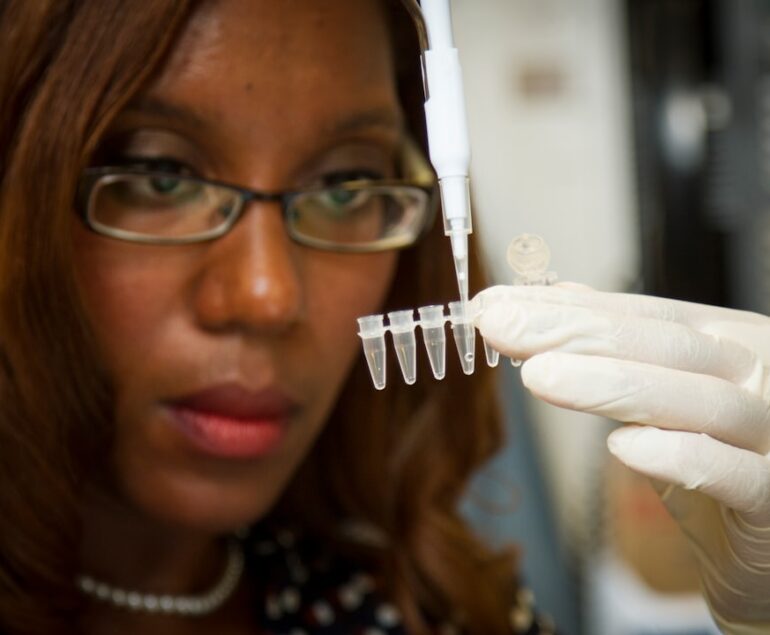
Are you one of the millions of people who have been told to get a lipid profile test, but have no idea what it’s all about? You’re not alone. A lipid profile, also known as a lipid panel, is a blood test that measures the levels of different types of cholesterol and triglycerides in your blood. But why is it so important, and what can you do with the results? In this comprehensive guide, we’ll delve into the world of lipid profiles, exploring what they are, why they matter, and how you can use them to take control of your heart health.
What is a Lipid Profile, and Why Do I Need One?
A lipid profile is a simple blood test that measures the levels of different types of lipids, or fats, in your blood. These lipids include low-density lipoprotein (LDL) cholesterol, high-density lipoprotein (HDL) cholesterol, triglycerides, and total cholesterol. Each of these components plays a crucial role in your overall health, and abnormal levels can increase your risk of heart disease, stroke, and other cardiovascular conditions. According to the American Heart Association (AHA), nearly 1 in 3 adults in the United States has high cholesterol, making it a major public health concern.
So, why do you need a lipid profile test? The answer is simple: to assess your risk of heart disease and take preventive measures. By knowing your lipid levels, you and your doctor can work together to develop a plan to lower your risk and keep your heart healthy. This is especially important if you have a family history of heart disease, are overweight or obese, or have other risk factors such as high blood pressure or diabetes. By taking control of your lipid profile, you can reduce your risk of heart disease and live a longer, healthier life.
Understanding Your Lipid Profile Results
So, you’ve gotten your lipid profile test results back – now what? Deciphering the numbers can be overwhelming, but don’t worry, we’ve got you covered. Here’s a breakdown of what each component of your lipid profile means:
- LDL Cholesterol: Often referred to as “bad” cholesterol, LDL cholesterol can build up in your arteries and increase your risk of heart disease. Ideal levels are less than 100 mg/dL.
- HDL Cholesterol: Known as “good” cholesterol, HDL cholesterol helps remove excess cholesterol from your bloodstream and transport it to your liver for excretion. Aim for levels of 60 mg/dL or higher.
- Triglycerides: These are a type of fat found in your blood, and high levels can increase your risk of heart disease. Ideal levels are less than 150 mg/dL.
- Total Cholesterol: This is the total amount of cholesterol in your blood, including LDL, HDL, and triglycerides. Aim for levels of less than 200 mg/dL.
- Eat a Heart-Healthy Diet: Focus on consuming a balanced diet rich in fruits, vegetables, whole grains, and lean protein sources. Aim to limit your intake of saturated and trans fats, added sugars, and refined carbohydrates.
- Get Moving: Regular physical activity can help raise your HDL cholesterol and lower your triglycerides. Aim for at least 150 minutes of moderate-intensity aerobic exercise, or 75 minutes of vigorous-intensity aerobic exercise, or a combination of both, per week.
- Maintain a Healthy Weight: Excess weight, particularly around your midsection, can increase your risk of heart disease. Aim for a body mass index (BMI) between 18.5 and 24.9.
- Don’t Smoke: Smoking is a major risk factor for heart disease, and quitting can significantly improve your lipid profile.
- Limit Stress: Chronic stress can raise your cortisol levels, which can contribute to increased cholesterol levels. Engage in stress-reducing activities, such as meditation or yoga, to help manage stress.
- Statins: These medications work by inhibiting the production of cholesterol in your liver. Examples include atorvastatin (Lipitor) and simvastatin (Zocor).
- Bile Acid Sequestrants: These medications help remove bile acids from your bloodstream, which can help lower your cholesterol levels. Examples include cholestyramine (Questran) and colestipol (Colestid).
- Fibrates: These medications help lower your triglyceride levels and raise your HDL cholesterol. Examples include fenofibrate (Tricor) and gemfibrozil (Lopid).
- A lipid profile is a blood test that measures the levels of different types of cholesterol and triglycerides in your blood.
- Understanding your lipid profile results can help you identify areas for improvement and develop a plan to lower your risk of heart disease.
- Lifestyle changes, such as eating a heart-healthy diet, getting regular exercise, and maintaining a healthy weight, can help improve your lipid profile.
- Medication may be necessary to manage high cholesterol, and working with your doctor can help determine the best course of treatment.
- Taking control of your lipid profile is a crucial step towards reducing your risk of heart disease and living a longer, healthier life.
By understanding your lipid profile results, you can identify areas for improvement and work with your doctor to develop a plan to get your numbers in check. This may involve lifestyle changes, such as diet and exercise modifications, or medication to help lower your cholesterol levels.
Lifestyle Changes to Improve Your Lipid Profile
The good news is that you have the power to improve your lipid profile through simple lifestyle changes. Here are some actionable tips to get you started:
By incorporating these lifestyle changes into your daily routine, you can take control of your lipid profile and reduce your risk of heart disease.
Managing High Cholesterol with Medication
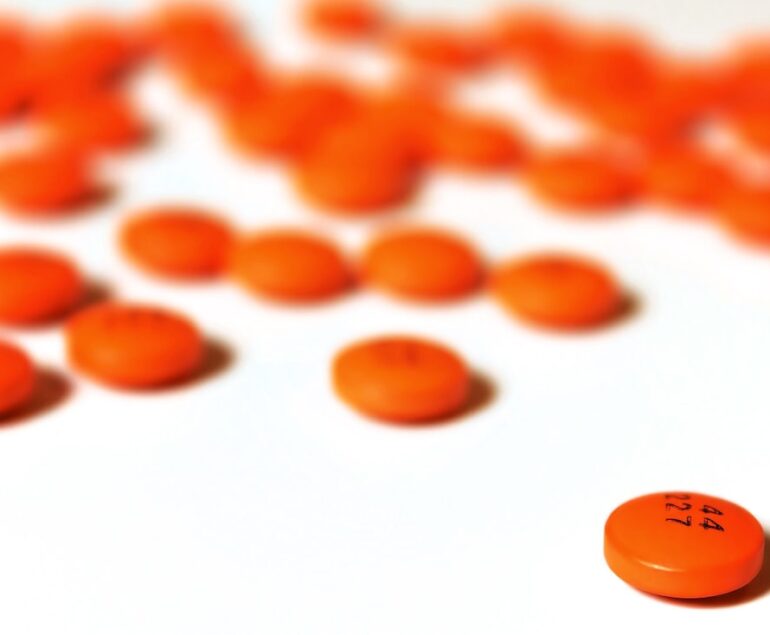
In some cases, lifestyle changes may not be enough to lower your cholesterol levels, and medication may be necessary. There are several types of medications available to help manage high cholesterol, including:
It’s essential to work with your doctor to determine the best course of treatment for your individual needs. With the right combination of lifestyle changes and medication, you can manage your high cholesterol and reduce your risk of heart disease.
Conclusion and Key Takeaways
In conclusion, a lipid profile is a powerful tool for assessing your risk of heart disease and taking preventive measures. By understanding your lipid profile results and making lifestyle changes, such as eating a heart-healthy diet, getting regular exercise, and maintaining a healthy weight, you can take control of your cholesterol levels and reduce your risk of cardiovascular disease. If medication is necessary, work with your doctor to determine the best course of treatment. Remember, small changes can add up over time, and taking control of your lipid profile is a crucial step towards a healthier, happier you.
Key takeaways: