
—
Introduction – Why Going Natural Matters
High blood pressure (hypertension) is often called the “invisible killer” because it can silently damage arteries, kidneys, eyes, and the heart for years before any symptoms appear. One in three adults worldwide lives with elevated blood pressure, and the condition is a leading risk factor for heart attack, stroke, and kidney disease.
Pharmaceuticals are essential for many patients, especially those with severe hypertension or organ damage. However, a growing body of research shows that lifestyle modifications can reduce systolic and diastolic numbers by 10‑15 mm Hg or more, sometimes matching the effect of first‑line medications. The advantage? Lifestyle changes improve overall health, reduce medication side‑effects, and empower you to take control of your cardiovascular future.
In this comprehensive guide we’ll dive deep into evidence‑based, natural approaches that you can start today. Each section includes concrete examples, step‑by‑step instructions, and realistic tips for busy lives. By the end you’ll have a clear, actionable roadmap to a calmer, stronger heart—without sacrificing flavor, enjoyment, or daily routine.
—
1. Eat for a Healthy Pressure: The Power of the DASH Diet and Beyond
1.1 What Is the DASH Diet?
DASH stands for Dietary Approaches to Stop Hypertension. It was created by the National Institutes of Health after multiple clinical trials showed that a diet rich in potassium, magnesium, calcium, fiber, and low‑fat protein could dramatically lower blood pressure.
| Food Group | Recommended Servings per Day | Key Nutrients & Benefits |
|————|——————————|————————–|
| Vegetables | 4‑5 | Potassium, magnesium, fiber – relax blood vessels |
| Fruits | 4‑5 | Potassium, antioxidants – protect endothelial cells |
| Whole Grains | 6‑8 | Fiber, B‑vitamins – improve insulin sensitivity |
| Low‑fat Dairy | 2‑3 | Calcium, protein – support vascular tone |
| Lean Protein (fish, poultry, beans) | 2‑3 | Omega‑3 fatty acids, amino acids – anti‑inflammatory |
| Nuts & Seeds | ≤4 small handfuls | Healthy fats, magnesium – improve arterial compliance |
| Limited Red Meat, Sweets, Sugary Drinks | ≤2‑3 per week | Lower sodium & added sugars – reduce fluid retention |
How It Works: The combination of potassium, magnesium, and calcium helps balance sodium’s effect on blood vessels, while fiber and plant‑based compounds improve endothelial function (the lining of arteries).
Results: Meta‑analyses of DASH trials show an average 8‑14 mm Hg drop in systolic pressure after just two weeks, comparable to many first‑line antihypertensives.
1.2 Sodium: The Not‑So‑Secret Villain
Target intake: ≤ 1,500 mg/day (ideal) or ≤ 2,300 mg/day (upper limit). Most Americans consume 3,400 mg or more.
#### Practical Sodium‑Cutting Strategies
1. Read Labels – Look for “no added salt,” “low‑sodium,” or “sodium‑free.” Aim for products ≤ 140 mg per serving.
2. Cook From Scratch – Whole foods contain far less sodium than processed items.
3. Season With Herbs & Spices – Replace salt with garlic powder, rosemary, smoked paprika, lemon zest, or vinegar.
4. Rinse Canned Goods – Rinse beans, lentils, and vegetables under cold water to remove up to 40 % of sodium.
5. Choose Fresh or Frozen (No‑Sauce) Vegetables – Avoid “seasoned” frozen mixes that often contain added salt.
Example Meal Plan (Low‑Sodium, DASH‑Friendly):
- Breakfast: Overnight oats made with ½ cup rolled oats, 1 cup unsweetened almond milk, ½ cup blueberries, 1 tbsp chia seeds, and a sprinkle of cinnamon.
- Snack: A small handful (≈¼ cup) unsalted almonds + a medium apple.
- Lunch: Quinoa salad with 1 cup cooked quinoa, ½ cup diced cucumber, ½ cup cherry tomatoes, ¼ cup chopped kale, ¼ cup feta cheese, drizzle of olive oil and lemon juice, and a pinch of black pepper.
- Afternoon Snack: Carrot sticks with 2 tbsp hummus (no‑added‑salt version).
- Dinner: Grilled salmon (4 oz) seasoned with dill and lemon, side of roasted Brussels sprouts (1 cup) tossed in 1 tsp olive oil, and a small baked sweet potato.
- Replace refined grains with whole‑grain alternatives: brown rice, quinoa, farro, whole‑wheat pasta, and 100 % whole‑grain bread.
- Add a “fiber boost”: sprinkle ground flaxseed (1 tbsp = 2 g fiber) on yogurt or oatmeal.
- ½ cup cooked steel‑cut oats (4 g fiber)
- 1 tbsp ground flaxseed (2 g)
- ½ cup raspberries (4 g)
- 1 tbsp almond butter (1 g)
- Morning 10‑minute yoga flow (Cat‑Cow, Downward Dog, Warrior II) can reduce cortisol by up to 20 %.
- Evening tai chi (8‑form routine) for 15 minutes promotes parasympathetic activation before sleep.
- 5‑minute “body scan” each morning.
- 10‑minute guided meditation before bed (apps like Insight Timer or Headspace).
- Social Connection: Regular phone calls or meet‑ups with friends/family lower cortisol.
- Hobbies: Engaging in music, gardening, or art for at least 30 minutes a day improves mood and indirectly supports blood pressure.
- 7‑9 hours per night for adults.
- Aim for sleep efficiency (time asleep ÷ time in bed) > 85 %.
- Baseline: 148/92 mm Hg, 180 lb, sedentary.
- Intervention (12 weeks):
- Result: Lost 12 lb (≈ 6 % body weight), blood pressure dropped to 132/84 mm Hg.
- Morning: Start the day with a cup of green tea and a banana.
- Mid‑morning snack: A square of dark chocolate with a handful of walnuts.
- Lunch: Add ½ cup cooked beets to a salad.
- Afternoon: Brew hibiscus tea (cold‑brew for smoother taste).
- Dinner: Grill salmon with garlic‑lemon rub; serve with quinoa and steamed broccoli.
- Evening: A small glass (≈ 150 ml) of pomegranate juice after dinner.
- Moderate intake (≤ 1 drink/day for women, ≤ 2 drinks/day for men) may have a neutral or slight benefit due to polyphenols in red wine.
- Excessive consumption (> 3 drinks/day) raises systolic pressure by 4‑7 mm Hg and can blunt medication effectiveness.
- Acute caffeine spikes pressure by 5‑10 mm Hg, but tolerance develops.
- For caffeine‑sensitive individuals, limit to ≤ 200 mg (≈ 1 cup coffee) before noon.
- Use an upper‑arm cuff validated by the American Heart Association.
- Measure at the same time each day (morning before meds, and evening).
- Take two readings one minute apart; record the average.
- BP remains ≥ 140/90 mm Hg after 3 months of diligent lifestyle changes.
- Symptoms such as chest pain, severe headache, vision changes, or shortness of breath appear.
- Existing conditions (diabetes, chronic kidney disease, heart failure) require tighter control.
Total sodium for the day ≈ 1,200 mg.
1.3 Potassium‑Rich Foods: The Natural Counterbalance
Potassium helps the kidneys excrete excess sodium and relaxes blood vessel walls. Aim for 4,700 mg per day (the recommended daily intake).
| Food | Potassium (mg) per Serving | Serving Size |
|——|—————————|————–|
| Bananas | 422 | 1 medium |
| Sweet potato (baked) | 540 | 1 cup |
| Spinach (cooked) | 540 | ½ cup |
| White beans | 600 | ½ cup |
| Avocado | 485 | ½ medium |
| Yogurt (low‑fat) | 380 | 1 cup |
| Salmon | 400 | 3 oz |
Actionable Tip: Add a potassium‑rich side to every main meal—e.g., a banana for breakfast, a spinach salad for lunch, and roasted sweet potatoes for dinner.
1.4 The Role of Whole Grains and Fiber
High‑fiber foods improve insulin sensitivity, which indirectly lowers blood pressure. Aim for 25‑30 g of fiber daily.
Sample Fiber‑Rich Breakfast:
Total ≈ 11 g fiber before lunch.
—
2. Move Your Way to Lower Pressure
2.1 Aerobic Exercise: The Gold Standard
Guideline: 150 minutes of moderate‑intensity aerobic activity per week (e.g., brisk walking, cycling, swimming) or 75 minutes of vigorous activity (e.g., jogging, HIIT).
Why It Works: Aerobic exercise improves nitric oxide production, which dilates blood vessels, and reduces sympathetic nervous system activity that can raise heart rate and pressure.
Concrete Plan for Beginners:
| Day | Activity | Duration | Intensity |
|—–|———-|———-|———–|
| Monday | Brisk walk (4 mph) | 30 min | Moderate |
| Tuesday | Body‑weight circuit (squats, push‑ups, lunges) | 20 min | Light‑to‑moderate |
| Wednesday | Rest or gentle yoga | — | — |
| Thursday | Cycling (outdoors or stationary) | 30 min | Moderate |
| Friday | Swimming laps | 25 min | Moderate |
| Saturday | Hiking (incline) | 45 min | Moderate‑vigorous |
| Sunday | Stretch & mobility | 15 min | Light |
Progression: Increase each session by 5 minutes every two weeks until you reach 45‑60 minutes per session.
2.2 Resistance Training: A Complementary Tool
Two to three sessions per week of resistance training (weights, resistance bands, or body‑weight) can lower systolic pressure by 4‑5 mm Hg over 6 months.
Sample Routine (Full‑Body, 3 Days/Week):
1. Squats – 3 sets × 12 reps
2. Bent‑over rows – 3×12
3. Push‑ups (or modified) – 3×10‑15
4. Deadlifts with kettlebell – 3×12
5. Plank – 3 × 30‑60 seconds
Focus on proper form and avoid breath‑holding (Valsalva maneuver) which spikes pressure during lifts.
2.3 Flexibility & Stress‑Reducing Movement
Yoga, tai chi, and gentle stretching improve autonomic balance, lowering resting heart rate and pressure.
—
3. Master Your Stress Response
3.1 Deep Breathing & the 4‑7‑8 Technique
Slow, diaphragmatic breathing reduces sympathetic tone. The 4‑7‑8 method: inhale through nose for 4 seconds, hold for 7 seconds, exhale through mouth for 8 seconds. Repeat for 4 cycles.
Evidence: A 2017 randomized trial showed a 5 mm Hg drop in systolic pressure after a single 10‑minute session.
3.2 Progressive Muscle Relaxation (PMR)
Tense each muscle group for 5 seconds, then release for 10 seconds, moving from feet to head. Daily 15‑minute PMR sessions have been linked to sustained reductions in both systolic and diastolic pressure.
3.3 Mindfulness Meditation
Studies show an average 4‑6 mm Hg reduction after 8 weeks of regular mindfulness practice.
3.4 Lifestyle Stress Buffers
—
4. Sleep: The Underrated Blood Pressure Regulator
4.1 Ideal Sleep Quantity & Quality
4.2 How Poor Sleep Raises Pressure
Sleep deprivation increases sympathetic activity, raises renin‑angiotensin‑aldosterone system (RAAS) activity, and elevates inflammatory markers—all contributors to hypertension.
4.3 Actionable Sleep Hygiene
| Habit | Recommendation |
|——-|—————-|
| Consistent schedule | Go to bed and wake up at the same time daily, even weekends. |
| Screen curfew | Turn off phones/computers 30 minutes before bedtime; use blue‑light filters if needed. |
| Bedroom environment | Keep temperature 60‑67 °F, dark, and quiet (white‑noise machine if needed). |
| Pre‑sleep routine | 10‑minute stretching, reading a physical book, or a warm bath. |
| Limit caffeine/alcohol | No caffeine after 2 pm; limit alcohol to ≤ 1 drink (women) / ≤ 2 drinks (men) and finish at least 3 hours before bed. |
Example Nighttime Routine (20 minutes total):
1. 9:30 pm – Dim lights, turn off screens.
2. 9:35 pm – 5 minutes of gentle yoga (Child’s Pose, Seated Forward Bend).
3. 9:40 pm – 5 minutes of deep breathing (4‑7‑8).
4. 9:45 pm – Read a paperback (no back‑lit device).
5. 10:00 pm – Lights out, sleep.
Consistent adherence can lower systolic pressure by 3‑5 mm Hg over 3 months.
—
5. Weight Management: The Direct Pressure Lever
5.1 The Math of Weight and Blood Pressure
Every 10 lb (≈ 4.5 kg) of excess weight can raise systolic pressure by 5‑10 mm Hg. Conversely, modest weight loss (5‑10 % of body weight) can reduce systolic pressure by 4‑9 mm Hg.
5.2 Sustainable Weight‑Loss Strategies
1. Calorie Awareness: Use a tracking app (MyFitnessPal, Cronometer) for 2 weeks to identify hidden calories.
2. Portion Control: Adopt the “plate method” – half non‑starchy veg, quarter lean protein, quarter whole grains.
3. Protein Timing: Include 20‑30 g of protein at each meal to preserve lean mass and increase satiety.
4. Intermittent Fasting (IF) (optional): 16:8 schedule (eat within an 8‑hour window) can aid calorie reduction without strict dieting.
5.3 Real‑World Example
Jane, 48, BMI 31 → 27
– Adopted DASH‑based meal plan (≈ 1,600 kcal/day).
– Walked briskly 30 min, 5 days/week.
– Added nightly 10‑minute meditation.
—
6. Specific Foods & Beverages With Proven Blood‑Pressure Benefits
| Food / Beverage | Active Component | Typical Dose | Expected Effect |
|—————–|——————|————–|—————–|
| Beetroot juice | Nitrates → nitric oxide | 250 ml daily | ↓ 4‑8 mm Hg (acute) |
| Dark chocolate (≥ 70 % cocoa) | Flavanols | 30‑40 g (1‑2 squares) | ↓ 2‑5 mm Hg |
| Green tea | Catechins | 2‑3 cups/day | ↓ 2‑4 mm Hg |
| Garlic (raw or aged extract) | Allicin | 1‑2 cloves or 600 mg supplement | ↓ 5‑8 mm Hg |
| Hibiscus tea | Anthocyanins | 2‑3 cups/day | ↓ 3‑7 mm Hg |
| Pomegranate juice | Polyphenols | 250 ml/day | ↓ 5‑7 mm Hg |
| Omega‑3 fatty acids (fish oil) | EPA/DHA | 1‑2 g/day | ↓ 2‑4 mm Hg |
How to Incorporate:
—
7. Alcohol & Caffeine: Moderation Over Elimination
7.1 Alcohol
Practical Tip: Choose “wine‑free” days twice a week; replace evening wine with sparkling water infused with cucumber and mint.
7.2 Caffeine
Swap Idea: Replace an afternoon coffee with a cup of decaf green tea (still provides antioxidants without the caffeine spike).
—
8. Monitoring & Staying Accountable
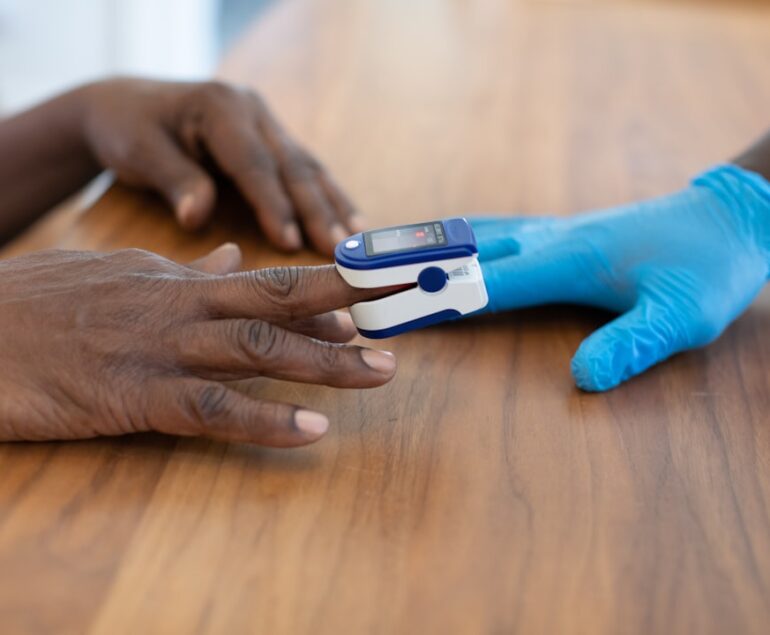
8.1 Home Blood Pressure Monitoring
Log Example (Google Sheet):
| Date | Time | Systolic | Diastolic | Notes |
|——|——|———-|———–|——-|
| 2026‑11‑01 | 07:30 | 138 | 86 | After 30‑min walk |
| 2026‑11‑01 | 19:45 | 132 | 82 | After meditation |
8.2 Goal‑Setting Framework
1. SMART Goal: “Reduce systolic pressure from 138 mm Hg to ≤ 130 mm Hg within 8 weeks by walking 30 min daily and following the DASH diet.”
2. Weekly Check‑Ins: Review BP log every Sunday; adjust activity or diet as needed.
3. Reward System: Non‑food rewards (new yoga mat, massage) when milestones are hit.
—
9. When to Seek Professional Help
Natural methods are powerful, but they complement—not replace—medical care when:
Always discuss any new supplement, drastic diet shift, or exercise regimen with your physician, especially if you’re already on antihypertensive medication (to avoid hypotension).
—
Conclusion – Your Personalized Roadmap to a Healthier Heart
High blood pressure doesn’t have to be a lifelong sentence to pills alone. By embracing the DASH diet, cutting sodium, boosting potassium, moving your body daily, mastering stress‑reduction techniques, prioritizing sleep, and monitoring progress, you can lower systolic and diastolic numbers by 10‑15 mm Hg or more—often without any medication changes.
The journey is cumulative: small, consistent actions compound into significant health gains. Start with one change—perhaps swapping your morning coffee for green tea, or adding a 10‑minute walk after dinner. Build on that success, track your numbers, and celebrate each milestone.
Your heart is a muscle that thrives on good fuel, regular activity, and calm surroundings. Give it what it needs, and it will reward you with lower blood pressure, more energy, and a longer, healthier life.
Take the first step today: choose a single tip from this guide, implement it for the next 7 days, and record the difference. Your future self will thank you.