
—
Introduction: Why “Fast” Doesn’t Have to Mean “Dangerous”
Imagine stepping on the scale and seeing the numbers drop dramatically within weeks—without feeling drained, deprived, or jeopardizing your health. It sounds like a weight‑loss fantasy, yet countless people achieve rapid, safe weight loss by combining science‑backed nutrition, smart exercise, and sustainable lifestyle tweaks. The key isn’t a miracle pill or an extreme crash diet; it’s a strategic plan that respects your body’s needs while accelerating fat burning.
In this post we’ll unpack exactly how to lose weight fast safely, giving you actionable steps you can start today. Whether you’re prepping for a special event, trying to jump‑start a longer‑term transformation, or simply craving a healthier version of yourself, the roadmap below balances speed with safety—so you can shed pounds, keep them off, and stay energized throughout the journey.
—
1. The Science Behind Rapid, Safe Weight Loss
1.1 Calorie Deficit: The Core Principle
At its core, weight loss boils down to creating a calorie deficit—burning more calories than you consume. However, the size of that deficit determines how fast you’ll lose weight and how your body reacts. A modest deficit of 300‑500 calories per day typically leads to a safe 0.5‑1 lb (0.2‑0.5 kg) loss per week. To lose weight fast, you can widen the gap to 700‑1,000 calories, but you must do it thoughtfully to avoid muscle loss, nutrient gaps, and metabolic slowdown.
Pro tip: Use a reputable calculator to estimate your Total Daily Energy Expenditure (TDEE) and subtract 500‑750 calories for a rapid yet manageable deficit. Adjust as needed based on weekly progress.
1.2 Preserving Muscle While Burning Fat
When you cut calories aggressively, your body may start breaking down muscle tissue for energy—a process that can sabotage long‑term results because muscle fuels metabolism. To protect lean mass, combine a modest calorie deficit with:
- Adequate protein intake (0.8‑1.2 g per pound of body weight).
- Resistance training at least three times per week.
- Strategic timing of nutrients around workouts (e.g., protein shake within 30 minutes post‑exercise).
- 40% of calories from lean protein
- 30% from complex carbs
- 30% from healthy fats
- A handful of almonds (≈15 g) + a piece of fruit
- Greek yogurt with berries
- Veggie sticks with hummus
- Day 1: Upper body (bench, rows, shoulder press, biceps, triceps)
- Day 2: Lower body (squat, deadlift, lunges, calf raises)
- Day 3: Rest or light cardio
- Day 4: Full‑body circuit (lighter weight, higher reps)
- Keep a consistent bedtime routine.
- Dim lights an hour before bed to boost melatonin.
- Avoid caffeine after 2 p.m.
- Mindful breathing (5‑minute sessions, 3× daily).
- Progressive muscle relaxation before bed.
- Outdoor activities—nature walks or gardening.
- If weight loss stalls >2 weeks, adjust calories by 100‑200 kcal.
- If energy drops, increase protein or add a rest day.
- Weight: Record at the same time (morning, after bathroom, before breakfast).
- Photos: Take front, side, and back photos every 2‑4 weeks.
- Energy Levels: Note any persistent fatigue, dizziness, or irritability.
- Rapid weight loss >2 lb per week consistently → consider raising calories slightly to protect muscle.
- Plateau for >3 weeks → introduce a refeed day (increase carbs to maintenance for 1 day) or switch up workout intensity.
- Signs of nutrient deficiency (hair loss, nail brittleness) → review micronutrient intake; consider a multivitamin.
1.3 Hormonal Balance Matters
Fast weight loss can disturb hormones that regulate hunger, stress, and metabolism—especially leptin, ghrelin, cortisol, and thyroid hormones. Keeping stress low, sleeping well, and ensuring sufficient micronutrients (especially iodine, zinc, and B‑vitamins) helps maintain hormonal equilibrium, making rapid loss more sustainable.
—
2. Nutrition Strategies for Quick, Healthy Results
2.1 Choose Nutrient‑Dense, Low‑Calorie Foods
Focus on foods that give you the most nutrients per calorie—think leafy greens, cruciferous vegetables, lean proteins, and whole grains. These choices keep you full, supply essential vitamins, and keep the calorie count low.
| Food Group | Examples | Why It Works |
|————|———-|————–|
| Protein | Chicken breast, turkey, tofu, Greek yogurt, eggs | High satiety, preserves muscle |
| Fiber‑Rich Veggies | Broccoli, spinach, kale, zucchini | Low energy density, slows digestion |
| Healthy Fats | Avocado, nuts (portion‑controlled), olive oil | Supports hormones, promotes fullness |
| Complex Carbs | Quinoa, sweet potatoes, oats | Steady energy, fiber‑rich |
2.2 The Power of a Structured Meal Plan
A structured meal plan eliminates guesswork and reduces the temptation to overeat. One popular framework for fast, safe weight loss is the 40/30/30 split:
For a 1,600‑calorie day, that translates to roughly 160 g protein, 120 g carbs, and 53 g fat. Adjust the ratios based on personal preference, but keep protein high to safeguard muscle.
2.3 Intermittent Fasting (IF) as an Accelerant
Intermittent fasting can help you reduce overall calorie intake without counting every bite. The 16/8 method—fasting for 16 hours and eating within an 8‑hour window—has been shown to improve insulin sensitivity and boost fat oxidation. Pair IF with the nutrient‑dense meals above, and you’ll often see faster results without sacrificing nutrition.
2.4 Hydration and Thermogenesis
Drinking water before meals can cut calorie intake by up to 13 %. Additionally, cold water forces the body to expend extra calories to warm it up—a modest boost called diet‑induced thermogenesis. Aim for at least 2‑3 L of water daily, and consider a cup of green tea or black coffee (no sugar) to further stimulate metabolism.
2.5 Smart Snacking: Keep Hunger at Bay
When you’re in a calorie deficit, cravings are inevitable. Choose protein‑rich or fiber‑rich snacks that keep you satiated:
These options provide about 150‑200 calories, enough to stave off hunger without derailing your deficit.
—
3. Exercise Plans That Turbocharge Fat Burning
3.1 High‑Intensity Interval Training (HIIT)
HIIT alternates short bursts of maximal effort with brief recovery periods. A typical 20‑minute HIIT session can burn 400‑600 calories and elevate metabolism for up to 24 hours post‑workout (the after‑burn effect). Sample HIIT routine:
| Exercise | Duration | Rest |
|———-|———-|——|
| Sprint (or bike max) | 30 sec | 90 sec |
| Push‑ups | 30 sec | 90 sec |
| Jump squats | 30 sec | 90 sec |
| Plank | 30 sec | 90 sec |
Repeat 4‑6 rounds. Adjust intensity based on fitness level.
3.2 Strength Training for Metabolic Muscle
Lifting weights 3‑4 times per week builds lean muscle, which burns roughly 6‑10 calories per pound at rest. Focus on compound movements—squats, deadlifts, bench press, rows, and overhead presses—to engage multiple muscle groups and maximize calorie expenditure.
Sample split:
3.3 Low‑Impact Cardio for Recovery
On non‑strength days, incorporate low‑impact cardio— brisk walking, cycling, or swimming—for 30‑45 minutes. This aids recovery, improves cardiovascular health, and adds a steady calorie burn without overtaxing joints.
3.4 Active Rest and Mobility
Fast weight loss can increase fatigue. Include mobility work (foam rolling, dynamic stretching) and active recovery (yoga, light walking) to keep muscles supple, reduce injury risk, and support hormonal balance.
—
4. Lifestyle Hacks & Mindset Shifts for Sustainable Speed
4.1 Prioritize Sleep: The Underrated Fat‑Loss Tool
Sleep deprivation spikes ghrelin (hunger hormone) and drops leptin (satiety hormone), leading to overeating. Aim for 7‑9 hours of quality sleep per night. Tips:
4.2 Stress Management
Chronic stress elevates cortisol, which encourages the body to store abdominal fat. Incorporate stress‑relief practices:
4.3 Track, Tweak, and Celebrate
Use a simple tracking system—paper journal, phone app, or spreadsheet—to log meals, workouts, sleep, and mood. Review weekly:
Celebrate non‑scale victories (e.g., tighter clothes, improved stamina) to keep motivation high.
4.4 Social Support & Accountability
Share your goals with a friend, join an online community, or hire a certified coach. Accountability partners provide encouragement, share recipes, and help you stay on track during challenging weeks.
4.5 Avoid “All‑Or‑Nothing” Thinking
A single cheat meal won’t ruin progress, but consistent bingeing will. Adopt a flexible dieting mindset: aim for 80‑90 % adherence, allowing occasional indulgences without guilt. This reduces psychological stress and improves long‑term adherence.
—
5. Monitoring Progress & Making Adjustments Safely
5.1 Scale vs. Body Composition
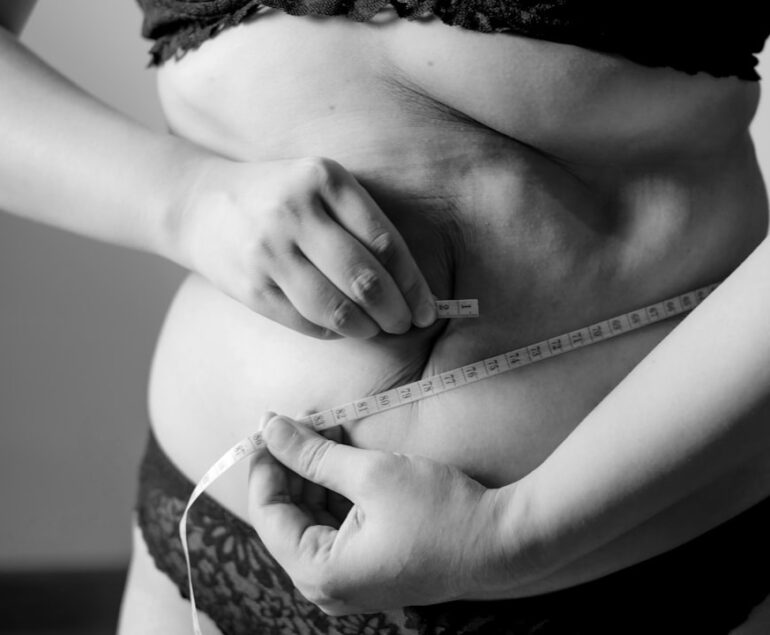
The number on the scale is a limited metric. Track body measurements (waist, hips, chest) and body composition (if possible via bio‑impedance or skinfold calipers). You may gain muscle while losing fat, resulting in a modest scale change but dramatic visual improvement.
5.2 Weekly Check‑Ins
If you notice:
5.3 When to Seek Professional Guidance
If you have pre‑existing medical conditions (diabetes, thyroid issues, heart disease) or plan to drop more than 10 % of body weight, consult a registered dietitian or physician. They can tailor calorie targets, ensure safe nutrient distribution, and monitor lab values.
—
Conclusion: Your Fast‑Track, Safe Weight‑Loss Blueprint
Losing weight quickly doesn’t have to be risky. By creating a calculated calorie deficit, fueling your body with nutrient‑dense foods, protecting muscle through protein and resistance training, and supporting the process with quality sleep and stress control, you can achieve noticeable results in weeks while safeguarding your health.
Key takeaways
1. Calorie deficit matters—aim for 500‑750 kcal below maintenance for fast yet safe loss.
2. Protein is king—0.8‑1.2 g per pound keeps muscle intact and curbs hunger.
3. Combine HIIT and strength training to maximize calorie burn and metabolic rate.
4. Lifestyle pillars (sleep, stress, hydration) dramatically influence how quickly and sustainably you shed pounds.
5. Track progress beyond the scale and adjust intelligently to avoid stalls or nutrient gaps.
Start today by calculating your TDEE, planning a high‑protein, balanced menu, and scheduling two HIIT sessions plus three strength workouts each week. With consistency, the scale will move, your confidence will rise, and you’ll prove that fast weight loss can be safe, smart, and sustainable.
Ready to kick‑start your transformation? Grab a notebook, set your first weekly goal, and let the journey begin—one healthy, fast‑track step at a time.