—
Introduction: A Simple Question That Changes Everything
Imagine checking your blood pressure after a night’s sleep and seeing numbers that read 118/72 mmHg—the kind of reading that makes your doctor smile. Now picture the opposite: a rushed morning, a quick glance at the cuff, and a startled 148/94 mmHg staring back. For the 1.1 billion people worldwide living with hypertension, that moment of alarm is all too familiar.
But what if the solution didn’t require a new prescription, expensive procedures, or a drastic overhaul of your life? What if you could reduce blood pressure naturally by tweaking habits you already have? In this post, we’ll unpack the science behind blood pressure, then dive into five practical, evidence‑backed strategies you can start today—without sacrificing flavor, fun, or freedom.
—
1. Understanding Blood Pressure: The Why Behind the Numbers
What “Blood Pressure” Really Means
Blood pressure (BP) measures the force of blood pushing against artery walls as the heart pumps (systolic) and rests (diastolic). The ideal range for most adults is below 120/80 mmHg. Anything consistently above that falls into the hypertension zone, increasing risk for heart attack, stroke, kidney disease, and vision loss.
The Hidden Cost of High Blood Pressure
- Silent Damage: Hypertension often shows no symptoms until organ damage has occurred.
- Economic Toll: In the U.S., hypertension accounts for over $130 billion in annual healthcare costs.
- Quality of Life: Elevated BP can cause fatigue, headaches, and reduced exercise capacity, creating a vicious cycle.
- Fruits & vegetables (≥4–5 servings each day) – rich in potassium, magnesium, and fiber.
- Whole grains – provide complex carbs and nutrients that support vascular health.
- Low‑fat dairy – calcium helps blood vessels relax.
- Lean proteins – poultry, fish, beans, and nuts.
- Read labels: Look for “no added salt,” “low sodium,” or “sodium ≤ 140 mg per serving.”
- Swap sauces: Replace soy sauce (≈1,000 mg per tbsp) with low‑sodium tamari or homemade herb‑based dressings.
- Use spices: Garlic, ginger, turmeric, cumin, and rosemary add depth without salt.
- Potassium powerhouses: Bananas, sweet potatoes, spinach, avocados, and white beans. Aim for 4,700 mg daily.
- Magnesium sources: Pumpkin seeds, almonds, dark chocolate (≥70% cacao), and leafy greens. Target 300–400 mg.
- Calcium picks: Low‑fat yogurt, fortified plant milks, tofu, and sardines. Aim for 1,000 mg.
- Olive oil – drizzle over salads instead of butter.
- Fatty fish (salmon, mackerel, sardines) – 2 servings per week supply omega‑3s that lower BP.
- Nuts & seeds – a handful of walnuts or flaxseeds daily adds healthy fats and fiber.
- Alcohol: Moderate intake (≤1 drink/day for women, ≤2 for men) can actually raise BP if exceeded.
- Caffeine: Sensitive individuals may experience a temporary BP spike. Test your response by measuring BP before and after a cup of coffee.
- Squats – 3 sets of 12 reps
- Bent‑over rows – 3×12
- Plank – 3 × 45 seconds
- Standing desks or phone‑call walking.
- Take the stairs instead of elevators.
- Set a timer to stand and stretch every hour.
- Guided meditation apps (e.g., Insight Timer, Calm) offer 10‑minute sessions designed for cardiovascular health.
- Mindful eating—focus on each bite, chew thoroughly, and savor flavors—can reduce overeating and improve digestion, indirectly supporting BP control.
- Mountain Pose – 1 min (grounding)
- Cat‑Cow – 2 min (spinal flexibility)
- Warrior II – 1 min each side (strength)
- Seated Forward Bend – 2 min (relaxation)
- Keep the bedroom cool (≈65 °F/18 °C).
- Use blackout curtains or a sleep mask.
- Limit screens at least 30 minutes before bedtime; blue light suppresses melatonin.
- Establish a consistent bedtime and wake‑time routine.
- Track calories using a free app (MyFitnessPal, Cronometer).
- Set a weekly goal of losing 0.5–1 lb.
- Celebrate non‑scale victories (e.g., longer jogs, tighter clothing).
Understanding these stakes makes the motivation to act feel less abstract and more urgent.
Key Factors You Can Influence
| Factor | How It Affects BP | Natural Leverage Point |
|——–|——————-|————————|
| Sodium intake | Increases fluid retention → higher pressure | Choose low‑salt foods |
| Physical activity | Boosts vascular flexibility | Move daily |
| Stress | Triggers adrenaline, narrowing vessels | Practice relaxation |
| Sleep | Poor sleep spikes sympathetic tone | Prioritize 7‑9 hrs |
| Body weight | Extra weight raises cardiac output | Manage weight |
By targeting these controllable elements, you can lower blood pressure naturally without relying solely on medication.
—
2. Nutrition Strategies: Eat Your Way to Lower Pressure
2.1 Adopt the DASH Diet (Dietary Approaches to Stop Hypertension)
The DASH diet is the gold‑standard eating plan for hypertension. It emphasizes:
Actionable tip: Create a weekly meal template. For example, Monday: oatmeal with berries + low‑fat milk; Tuesday: grilled salmon, quinoa, and steamed broccoli. Stick to the template for at least 30 days and track your BP weekly.
2.2 Cut Sodium, Not Flavor
The American Heart Association recommends no more than 1,500 mg of sodium per day for optimal BP control.
Quick hack: Keep a small jar of sea salt on the table, but limit use to one pinch per meal, and let the herbs do the heavy lifting.
2.3 Boost Potassium, Magnesium, and Calcium
These minerals counterbalance sodium’s effect on blood vessels.
Meal idea: A smoothie with kale, banana, almond milk, and a spoonful of chia seeds delivers potassium, magnesium, and calcium in one tasty drink.
2.4 Embrace Heart‑Healthy Fats
Not all fats are villains. Monounsaturated and polyunsaturated fats improve endothelial function and reduce inflammation.
Action step: Replace one processed snack per day with a handful of unsalted nuts.
2.5 Limit Alcohol and Caffeine Wisely
Practical plan: Designate “alcohol‑free evenings” twice a week and switch one daily coffee for herbal tea (e.g., hibiscus, which itself may lower BP).
—
3. Physical Activity: Move to Keep the Pressure Low
3.1 The 150‑Minute Rule
Guidelines suggest 150 minutes of moderate aerobic activity or 75 minutes of vigorous activity per week. This equates to about 30 minutes, five days a week. Consistency beats intensity for most beginners.
Starter routine:
| Day | Activity | Duration |
|—–|———-|———-|
| Mon | Brisk walking | 30 min |
| Tue | Body‑weight circuit (squats, push‑ups, lunges) | 20 min |
| Wed | Cycling or swimming | 30 min |
| Thu | Yoga or tai chi (stress‑focused) | 30 min |
| Fri | Light jog or dance | 30 min |
3.2 Resistance Training: Build Muscle, Reduce Pressure
Strength training improves insulin sensitivity and promotes healthy weight loss—both key for BP control. Aim for 2–3 sessions per week focusing on major muscle groups.
Actionable set:
Progressively increase weight or resistance bands as you get stronger.
3.3 High‑Intensity Interval Training (HIIT) – Short but Powerful
If time is scarce, HIIT can deliver similar cardiovascular benefits in 15‑20 minutes. Example:
1. Warm‑up 3 min (light jog)
2. Sprint 30 sec → Walk 90 sec (repeat 6×)
3. Cool‑down 3 min
Research shows HIIT can lower systolic BP by up to 7 mmHg after 8 weeks.
3.4 Stay Active Throughout the Day
Even small movements matter.
These micro‑habits prevent the “sitting disease” that contributes to hypertension.
—
4. Stress Management & Mind‑Body Practices
4.1 Why Stress Raises Blood Pressure
When you’re stressed, your body releases adrenaline and cortisol, causing blood vessels to constrict and the heart to beat faster. Chronic stress keeps this response active, leading to sustained high BP.
4.2 Deep Breathing – The 4‑7‑8 Technique
1. Inhale quietly through the nose for 4 seconds.
2. Hold the breath for 7 seconds.
3. Exhale slowly through the mouth for 8 seconds.
Repeat 4–5 cycles whenever you feel tension. Studies show this simple method can reduce systolic BP by 4–5 mmHg within minutes.
4.3 Progressive Muscle Relaxation (PMR)
Tense each muscle group for 5 seconds, then release slowly. Start at the feet and work upward. PMR helps lower sympathetic nervous system activity, which translates to lower BP.
4.4 Meditation & Mindfulness
Commitment tip: Schedule a 10‑minute meditation after lunch each day. Consistency beats duration; a short daily habit builds resilience.
4.5 Yoga, Tai Chi, and Qigong
These low‑impact practices blend movement, breath, and mindfulness. Research links regular yoga practice to reductions of 5–10 mmHg in systolic pressure.
Beginner flow:
Finish with Savasana (corpse pose) for 3 minutes, focusing on slow breathing.
—
5. Sleep, Weight Management, and Supplemental Support
5.1 Prioritize Quality Sleep
Insufficient sleep raises renin‑angiotensin‑aldosterone system activity, spiking BP. Aim for 7–9 hours of uninterrupted sleep.
Sleep hygiene checklist:
5.2 Weight Management: The Direct Link
Even a 5–10% reduction in body weight can lower systolic BP by 5–20 mmHg. Combine diet (DASH) and exercise (aerobic + resistance) for sustainable results.
Practical approach:
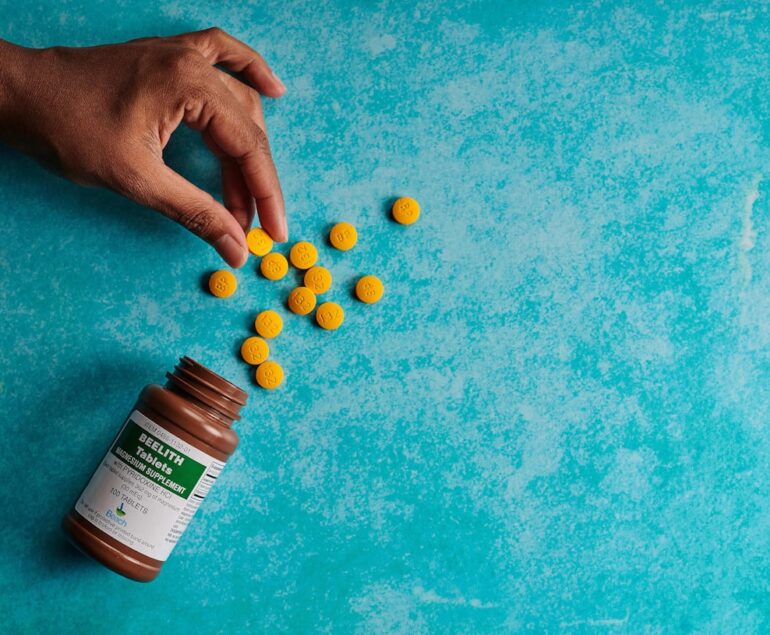
5.3 Evidence‑Based Supplements
While whole foods should be primary, certain supplements have modest BP‑lowering effects:
| Supplement | Typical Dose | Expected BP Impact | Notes |
|————|————–|——————-|——-|
| Coenzyme Q10 | 100–200 mg/day | ↓ 4–5 mmHg systolic | Antioxidant; check with doctor if on statins. |
| Omega‑3 fish oil | 1,000–2,000 mg EPA/DHA | ↓ 2–4 mmHg | Choose high‑purity, low‑oxidation products. |
| Magnesium glycinate | 200–400 mg/day | ↓ 2–3 mmHg | Helpful if dietary intake low. |
| Potassium chloride (if needed) | 1,200–2,400 mg/day | ↓ 3–5 mmHg | Only if blood tests show low potassium. |
| Hibiscus tea | 2–3 cups/day | ↓ 5–7 mmHg | Rich in anthocyanins; brew 2 min, no sugar. |
Safety reminder: Always discuss supplements with a healthcare professional, especially if you’re on antihypertensive medication, as interactions can occur.
5.4 Monitor Progress with Home Blood Pressure Cuffs
A reliable