—
Introduction – The Surprising Story Your Blood Tells
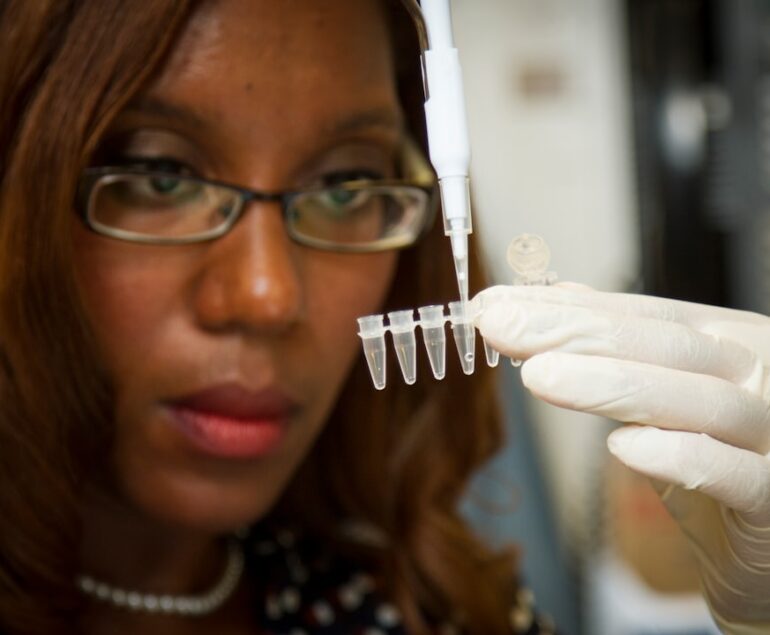
Imagine walking into a doctor’s office, rolling up your sleeve, and watching a tiny vial of blood transform into a detailed health report. That report—your lipid profile—is more than a collection of numbers; it’s a snapshot of how well your heart, liver, and metabolism are working together.
If you’ve ever wondered why doctors keep talking about “good” and “bad” cholesterol, or why a single lab result can trigger a lifestyle overhaul, you’re not alone. In 2023, over 30 % of adults in the United States had at least one abnormal lipid value, yet many never truly understood what those values meant or how to act on them.
In this post we’ll demystify the lipid profile, break down each component, show you how to read the numbers, and give you a toolbox of actionable strategies—diet tweaks, exercise plans, and medication insights—that can help you turn a concerning report into a roadmap for better heart health. Let’s dive in and let your blood do the talking.
—
1. Decoding the Numbers: The Six Key Players
Your lipid profile typically lists six primary measurements. Knowing what each one represents is the first step toward interpreting your risk and planning improvements.
| Component | What It Measures | Why It Matters | Ideal Range (mg/dL) |
|———–|——————|—————-|———————|
| Total Cholesterol (TC) | Sum of all cholesterol in the blood | Broad indicator of lipid load | < 200 |
| Low‑Density Lipoprotein (LDL‑C) | “Bad” cholesterol that deposits in artery walls | Primary driver of atherosclerosis | < 100 (optimal) |
| High‑Density Lipoprotein (HDL‑C) | “Good” cholesterol that removes excess cholesterol | Protective, anti‑inflammatory | > 60 (high) |
| Triglycerides (TG) | Fat particles from food & liver | High levels raise heart disease risk & pancreatitis | < 150 |
| Very‑Low‑Density Lipoprotein (VLDL‑C) | Carrier of triglycerides | Often derived from TG, elevated in metabolic syndrome | 2–30 (calculated) |
| Non‑HDL Cholesterol | TC minus HDL‑C (captures all atherogenic particles) | Better predictor when TG are high | < 130 |
How the Pieces Fit Together
- LDL‑C is the main culprit in plaque formation. The smaller and denser the LDL particles, the more atherogenic they become.
- HDL‑C works like a garbage truck, ferrying cholesterol away from arteries to the liver for disposal. Higher HDL levels correlate with lower heart‑attack risk.
- Triglycerides rise after high‑carb meals and in insulin resistance. Persistently high TG often signal metabolic dysfunction that also elevates LDL‑C.
- Non‑HDL Cholesterol captures LDL, VLDL, and intermediate‑density lipoprotein (IDL) particles—useful when TG > 200 mg/dL because LDL‑C calculations become less accurate.
- Fasting vs. Non‑Fasting: Traditionally, labs ask you to fast for 9–12 hours before the draw to avoid post‑prandial spikes in triglycerides. Recent guidelines (2022 ACC/AHA) accept non‑fasting samples for most adults, but fasting remains the gold standard when TG are a concern.
- Venipuncture: A small needle draws 5–10 mL of blood from a vein in your arm. The sample is then sent to a certified lab for enzymatic analysis.
- In the United States, results are reported in milligrams per deciliter (mg/dL).
- Internationally, millimoles per liter (mmol/L) are used. To convert, divide the mg/dL value by 38.67 (e.g., LDL‑C 130 mg/dL ≈ 3.36 mmol/L).
- Breakfast: Overnight oats with chia seeds, blueberries, and a splash of fortified soy milk (contains plant sterols).
- Lunch: Mixed greens with grilled salmon, walnuts, olive‑oil vinaigrette, and a side of quinoa.
- Snack: Apple slices with almond butter.
- Dinner: Stir‑fry tofu, broccoli, and bell peppers in a low‑sodium soy‑ginger sauce, served over brown rice.
- Aerobic Exercise: Aim for 150 minutes/week of moderate‑intensity ( brisk walking, cycling) or 75 minutes/week of vigorous activity (running, HIIT). Studies show a 5‑10 % LDL‑C reduction and a 3‑5 % HDL‑C increase after 12 weeks.
- Resistance Training: 2–3 sessions/week of weightlifting improves muscle insulin sensitivity, which can lower triglycerides by up to 15 %.
- Stress Management: Chronic cortisol elevation can raise TG and lower HDL. Incorporate mindfulness, yoga, or 10‑minute breathing drills daily.
- Lose 5‑10 % of Body Weight if you’re overweight; this alone can cut LDL‑C by 5 % and TG by 10‑15 %.
- Quit Smoking – nicotine lowers HDL‑C and damages arterial walls. Within 3 months of quitting, HDL can rise 5‑10 %.
- [ ] Track daily food intake for 7 days using a free app (MyFitnessPal, Cronometer).
- [ ] Schedule three 30‑minute walks this week.
- [ ] Replace one sugary beverage with water or unsweetened tea.
- [ ] Set a quit‑date for smoking and download a cessation app (QuitNow!).
- Low‑Risk Adults (≤ 45 y, no family history): Every 4–6 years if prior results were normal.
- Intermediate/High‑Risk or on Medication: Every 3–12 months initially, then annually
Actionable Insight: When you receive your results, jot down each value and compare it to the ideal range. If two or more markers fall outside the target, you have a clear signal that lifestyle or medical intervention is needed.
—
2. The Test Process & Interpreting Results
2.1 How the Blood Sample Is Collected
2.2 Units and Conversions
2.3 Reading Your Report: A Step‑by‑Step Guide
1. Start with LDL‑C – the cornerstone of cardiovascular risk.
2. Check HDL‑C – low HDL can offset a “good” LDL number.
3. Look at Triglycerides – high TG often indicate dietary excess or insulin resistance.
4. Calculate Non‑HDL if TG > 200 mg/dL (TC – HDL).
5. Assess Ratios – the TC/HDL and LDL/HDL ratios give a quick risk snapshot. Aim for TC/HDL < 4 and LDL/HDL < 2.5.
2.4 Risk Stratification
| Risk Category | LDL‑C (mg/dL) | Non‑HDL (mg/dL) | TG (mg/dL) |
|—————|—————|—————-|————|
| Low Risk | < 100 | < 130 | < 150 |
| Moderate Risk | 100‑129 | 130‑159 | 150‑199 |
| High Risk | 130‑159 | 160‑189 | 200‑499 |
| Very High Risk | ≥ 160 | ≥ 190 | ≥ 500 |
Actionable Insight: If you fall into the moderate‑to‑high categories, schedule a follow‑up with your clinician to discuss a personalized plan. Even small shifts—like a 10 % reduction in LDL—can translate into a significant drop in heart‑attack risk over time.
—
3. Lifestyle Tweaks That Move the Needle
Your daily choices have a direct impact on every lipid component. Below are evidence‑based, actionable steps you can implement right away.
3.1 Eat the “Heart‑Smart” Way
| Food Group | What to Choose | How It Helps |
|————|—————-|————–|
| Soluble Fiber | Oats, barley, beans, apples, psyllium | Binds cholesterol in the gut, lowering LDL‑C by 5‑10 % |
| Plant Sterols & Stanols | Fortified spreads, orange juice, nuts | Compete with cholesterol absorption, reducing LDL‑C 6‑15 % |
| Healthy Fats | Olive oil, avocado, nuts, fatty fish (salmon, mackerel) | Raise HDL‑C and lower TG; omega‑3s specifically cut TG 20‑30 % |
| Limit Refined Carbs & Sugars | Cut soda, pastries, white bread | Prevent TG spikes and improve insulin sensitivity |
| Moderate Alcohol | ≤ 1 drink/day for women, ≤ 2 for men | Small amounts of red wine may raise HDL, but excess spikes TG |
Quick Meal Plan Example
3.2 Move More, Stress Less
3.3 Weight Management & Smoking
Actionable Checklist
—
4. When Lifestyle Isn’t Enough: Medication Options
Even with optimal diet and exercise, genetics, age, or existing conditions may keep lipid numbers stubbornly high. Here’s a concise guide to the most common lipid‑lowering drugs.
| Medication | Primary Effect | Typical Dose | Key Side Effects | Who Benefits Most |
|————|—————-|————–|——————|——————–|
| Statins (e.g., Atorvastatin, Simvastatin) | Inhibit HMG‑CoA reductase → ↓ LDL‑C (30‑50 %) | 10‑80 mg daily | Muscle aches, rare liver enzyme elevation | Primary/secondary prevention of ASCVD |
| Ezetimibe | Blocks intestinal cholesterol absorption → ↓ LDL‑C 15‑20 % | 10 mg daily | Diarrhea, mild liver changes | Statin‑intolerant or additive therapy |
| PCSK9 Inhibitors (Alirocumab, Evolocumab) | Boost LDL‑R recycling → ↓ LDL‑C 50‑60 % | Subcutaneous injection q2‑4 weeks | Injection site reaction, flu‑like symptoms | Familial hypercholesterolemia, very high risk ASCVD |
| Fibrates (Fenofibrate, Gemfibrozil) | Activate PPAR‑α → ↓ TG 30‑50 % & ↑ HDL‑C | 145‑200 mg daily | GI upset, gallstones, rare muscle issues | Isolated severe hypertriglyceridemia |
| Omega‑3 Prescription (Icosapent ethyl) | EPA‑rich oil → ↓ TG 25‑30 % | 2 g twice daily | Fishy aftertaste, mild GI upset | TG > 150 mg/dL despite lifestyle |
| Bile‑Acid Sequestrants (Cholestyramine) | Bind bile acids → ↑ LDL‑R → ↓ LDL‑C 15‑20 % | 4 g daily in divided doses | Constipation, bloating, interfere with absorption of other meds | Pregnant women needing LDL reduction (category safe) |
4.1 Choosing the Right Therapy
1. Assess Baseline Risk – Use calculators like the ASCVD Risk Estimator.
2. Start Low, Go Slow – Many clinicians begin with a moderate‑intensity statin, titrating up based on response and tolerance.
3. Combine When Needed – Adding ezetimibe or a PCSK9 inhibitor can achieve LDL‑C < 70 mg/dL for very high‑risk patients.
4. Monitor Regularly – Check liver enzymes and CK (creatine kinase) at baseline, then 4–12 weeks after any dose change.
Actionable Tip: If you’re prescribed a statin and experience muscle soreness, don’t stop abruptly. Contact your provider—dose adjustment or switching to a different statin often resolves the issue.
—