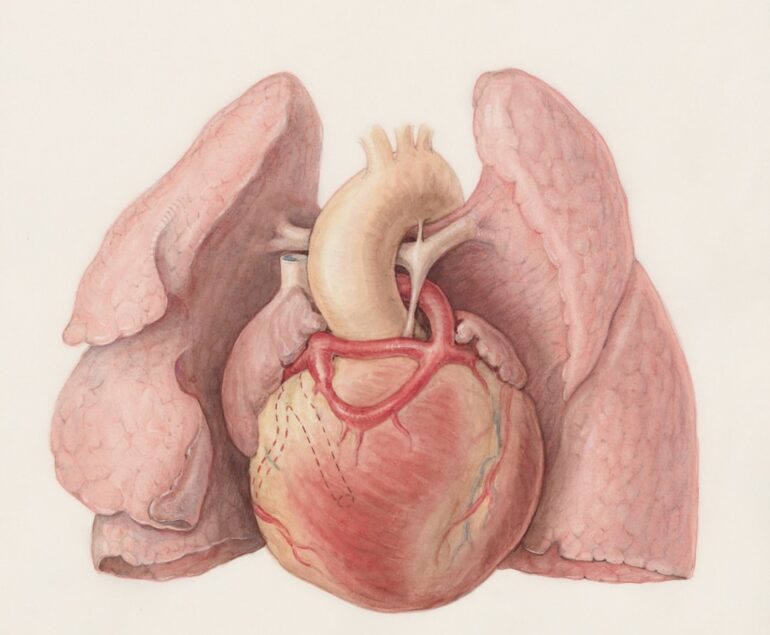

Are you aware that heart disease is the leading cause of death worldwide, accounting for over 17.9 million deaths per year? This staggering statistic is a wake-up call for all of us to take our heart health seriously. As we go about our daily lives, it’s easy to overlook the subtle signs of heart disease, but the truth is, it can strike anyone, regardless of age or fitness level. In this comprehensive guide, we’ll delve into the world of heart disease, exploring its causes, symptoms, risk factors, and most importantly, what you can do to prevent and manage it.
Understanding Heart Disease: What You Need to Know
Heart disease, also known as cardiovascular disease, refers to a range of conditions that affect the heart and blood vessels. It’s a complex and multifaceted condition that can manifest in different ways, including coronary artery disease, heart failure, arrhythmias, and stroke. At its core, heart disease occurs when the heart’s ability to pump blood efficiently is compromised, often due to a combination of genetic, lifestyle, and environmental factors. To grasp the scope of heart disease, it’s essential to understand its various types, including:
- Coronary artery disease: This is the most common type of heart disease, where the coronary arteries become narrowed or blocked due to plaque buildup.
- Heart failure: A condition where the heart is unable to pump enough blood to meet the body’s needs.
- Arrhythmias: Abnormal heart rhythms that can be harmless or life-threatening.
- Stroke: A condition where the blood supply to the brain is interrupted, often due to a blockage or rupture of blood vessels.
- Family history: If your parents or siblings have a history of heart disease, you’re more likely to develop it.
- Age: The risk of heart disease increases with age, especially after 45 for men and 55 for women.
- Smoking: Smoking is a significant risk factor, as it damages the cardiovascular system and increases blood pressure.
- High blood pressure: Uncontrolled hypertension can lead to heart disease, stroke, and kidney disease.
- High cholesterol: Elevated levels of low-density lipoprotein (LDL) cholesterol can contribute to plaque buildup in the arteries.
- Diabetes: People with diabetes are more likely to develop heart disease due to high blood sugar levels and insulin resistance.
- Obesity: Excess weight, particularly around the waistline, increases the risk of heart disease, high blood pressure, and stroke.
- Physical inactivity: A sedentary lifestyle can contribute to weight gain, high blood pressure, and insulin resistance.
- Stress: Chronic stress can raise blood pressure, heart rate, and cardiovascular risk.
- Exercise regularly: Aim for at least 150 minutes of moderate-intensity aerobic exercise, or 75 minutes of vigorous-intensity aerobic exercise, or a combination of both, per week.
- Eat a heart-healthy diet: Focus on whole, unprocessed foods like fruits, vegetables, whole grains, lean proteins, and healthy fats, such as the Mediterranean diet.
- Maintain a healthy weight: Aim for a body mass index (BMI) between 18.5 and 24.9 to reduce the risk of heart disease and other chronic conditions.
- Don’t smoke: Quit smoking, and avoid exposure to secondhand smoke to minimize cardiovascular risk.
- Get enough sleep: Aim for 7-8 hours of sleep per night to help regulate stress, blood pressure, and cardiovascular function.
- Manage stress: Engage in stress-reducing activities like yoga, meditation, or deep breathing exercises to mitigate the negative effects of stress on your heart.
- Monitor and control blood pressure: Work with your healthcare provider to manage high blood pressure through lifestyle changes and medication, if necessary.
- Get regular check-ups: Schedule annual check-ups with your healthcare provider to monitor your heart health and address any concerns.
- Minimally invasive procedures: Techniques like angioplasty, stenting, and transcatheter aortic valve replacement (TAVR) have revolutionized the treatment of heart disease, reducing recovery time and improving outcomes.
- Genetic testing: Advances in genetic testing can help identify individuals at high risk of heart disease, enabling early intervention and prevention.
- Personalized medicine: Tailored treatment approaches, based on an individual’s unique genetic profile, medical history, and lifestyle, are becoming increasingly popular.
- Wearable technology: Wearable devices, such as smartwatches and fitness trackers, can monitor heart rate, blood pressure, and other vital signs, empowering individuals to take control of their heart health.
- Heart disease is a leading cause of death worldwide, but many cases can be prevented or managed through lifestyle modifications and medical interventions.
- Understanding the risk factors, including family history, age, smoking, high blood pressure, high cholesterol, diabetes, obesity, physical inactivity, and stress, is crucial for taking control of your heart health.
- A heart-healthy diet, regular exercise, stress management, and sufficient sleep are essential for maintaining cardiovascular well-being.
- Advances in medical technology, genetic testing, and personalized medicine offer promising solutions for the diagnosis, treatment, and management of heart disease.
- By staying informed, seeking regular check-ups, and making informed decisions, you can protect your heart and reduce your risk of developing heart disease.
Identifying the Risk Factors: Who’s at Risk?
While heart disease can affect anyone, certain individuals are more prone to developing the condition. These risk factors include:
Taking Control: Prevention and Management Strategies
While heart disease is a serious condition, the good news is that many cases can be prevented or managed through lifestyle modifications and medical interventions. Here are some actionable steps you can take to protect your heart health:
Advanced Treatments and Technologies: The Future of Heart Health
In recent years, there have been significant advancements in the diagnosis, treatment, and management of heart disease. Some of the most promising developments include:
In conclusion, heart disease is a complex and multifaceted condition that requires a comprehensive approach to prevention and management. By understanding the risk factors, making lifestyle modifications, and staying up-to-date with the latest medical advancements, you can significantly reduce your risk of developing heart disease. Remember, taking control of your heart health is a journey, not a destination. By incorporating healthy habits, seeking regular check-ups, and staying informed, you can protect your heart and live a longer, healthier life. Key takeaways: