Are you one of the millions of people worldwide living with high blood pressure? If so, you’re not alone. According to the World Health Organization (WHO), approximately 1 in 5 adults has high blood pressure, which is a major risk factor for heart disease, stroke, and kidney disease. While medication can help manage blood pressure, there are many natural ways to reduce it without relying on pills. In this comprehensive guide, we’ll explore the best ways to lower your blood pressure naturally, from dietary changes to stress-reducing techniques.
Understanding Blood Pressure and Its Risks
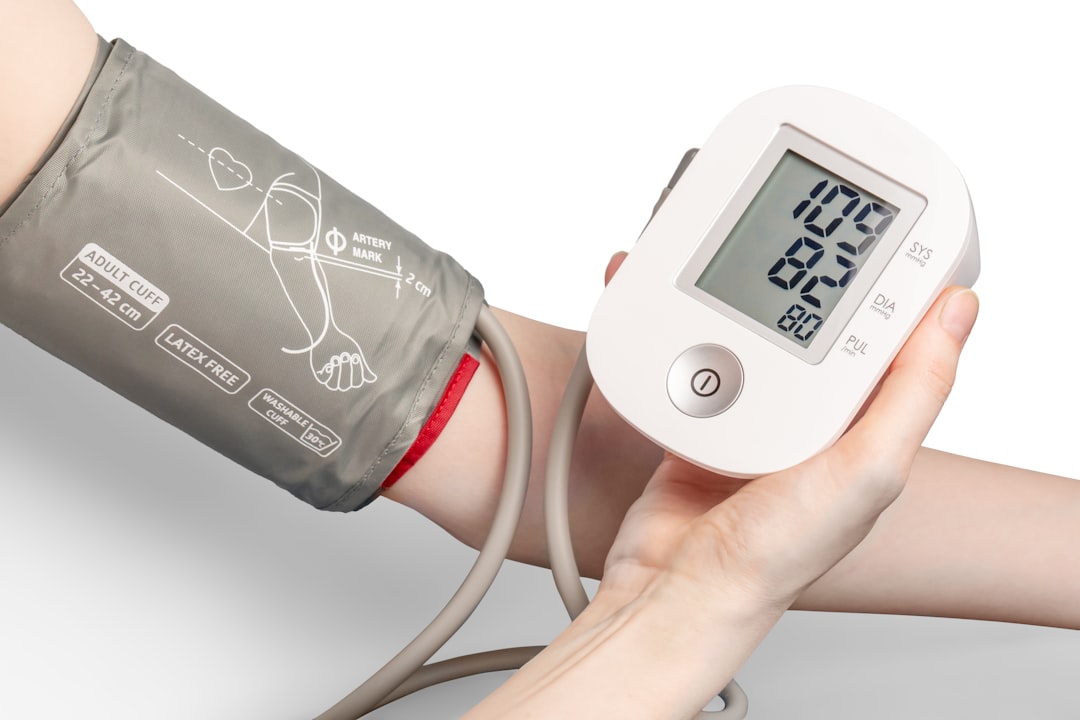
Before we dive into the natural remedies, it’s essential to understand what blood pressure is and why it’s crucial to manage it. Blood pressure is the force of blood against the walls of your arteries, and it’s measured in millimeters of mercury (mmHg). A normal blood pressure reading is typically around 120/80 mmHg. When your blood pressure is consistently high, it can lead to damage to your blood vessels, heart, and kidneys. High blood pressure, also known as hypertension, can increase your risk of developing cardiovascular disease, kidney disease, and even cognitive decline. The good news is that by making lifestyle changes and incorporating natural remedies into your daily routine, you can reduce your blood pressure and lower your risk of these conditions.
Dietary Changes to Lower Blood Pressure
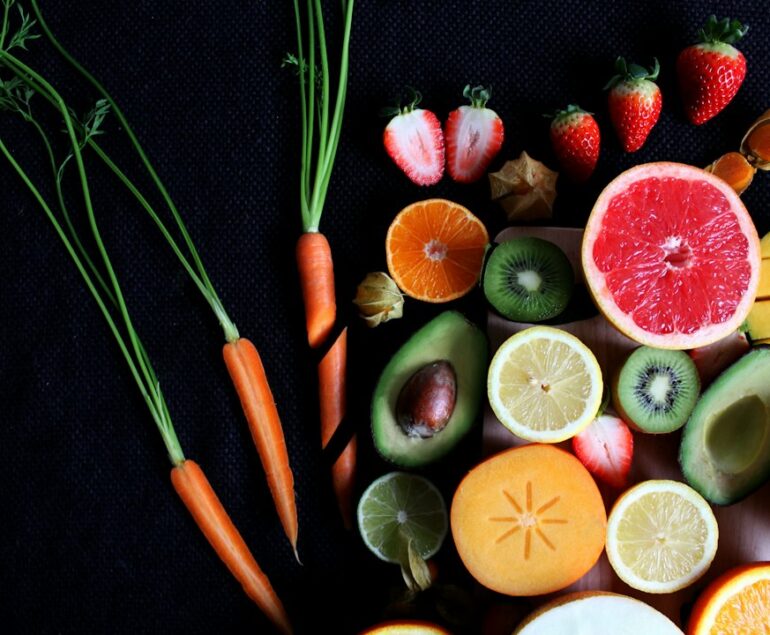
What you eat plays a significant role in managing your blood pressure. A healthy diet rich in whole foods, fruits, vegetables, and whole grains can help lower your blood pressure naturally. Here are some of the best foods to include in your diet:
- Leafy greens: Spinach, kale, and collard greens are rich in potassium, calcium, and magnesium, which can help lower blood pressure.
- Berries: Berries such as blueberries, strawberries, and raspberries are high in antioxidants and fiber, which can help reduce inflammation and improve blood vessel function.
- Fatty fish: Fatty fish like salmon, tuna, and mackerel are rich in omega-3 fatty acids, which can help reduce inflammation and improve heart health.
- Whole grains: Whole grains like brown rice, quinoa, and whole-wheat bread can help lower blood pressure by reducing inflammation and improving blood vessel function.
- Sodium: Excessive sodium consumption can increase blood pressure, so aim to limit your daily intake to less than 2,300 milligrams.
- Sugar: Consuming high amounts of sugar can lead to inflammation and oxidative stress, which can increase blood pressure.
- Saturated and trans fats: These types of fats can increase cholesterol levels and worsen blood vessel function, leading to high blood pressure.
- Regular exercise: Regular physical activity can help lower blood pressure by improving blood vessel function and reducing inflammation. Aim for at least 30 minutes of moderate-intensity exercise per day.
- Stress reduction: Chronic stress can increase blood pressure, so it’s essential to find healthy ways to manage stress, such as meditation, yoga, or deep breathing exercises.
- Sleep: Getting adequate sleep is crucial for blood pressure management. Aim for 7-8 hours of sleep per night to help regulate your blood pressure.
- Quit smoking: Smoking is a significant risk factor for high blood pressure, so quitting can help lower your blood pressure and improve your overall health.
- Coenzyme Q10 (CoQ10): This antioxidant can help reduce inflammation and improve blood vessel function, leading to lower blood pressure.
- Fish oil: Fish oil supplements rich in omega-3 fatty acids can help reduce inflammation and improve heart health.
- Garlic: Garlic has natural blood-thinning properties, which can help reduce blood pressure and improve cardiovascular health.
- Hawthorn: Hawthorn is a natural herb that can help lower blood pressure by improving blood vessel function and reducing inflammation.
- Eat a healthy diet rich in whole foods, fruits, vegetables, and whole grains
- Limit your intake of sodium, sugar, and saturated and trans fats
- Engage in regular exercise and stress-reducing activities
- Get adequate sleep and quit smoking
- Consider natural supplements like CoQ10, fish oil, garlic, and hawthorn to help lower blood pressure
In addition to incorporating these foods into your diet, it’s also essential to limit your intake of:
Lifestyle Changes to Reduce Blood Pressure
While dietary changes are essential, lifestyle modifications can also play a significant role in reducing blood pressure naturally. Here are some of the best lifestyle changes to make:
Natural Supplements and Remedies
In addition to dietary and lifestyle changes, there are several natural supplements and remedies that may help lower blood pressure. Some of the most effective include:
It’s essential to note that while these supplements and remedies may be effective, it’s always best to consult with your healthcare provider before adding them to your regimen.
Conclusion and Key Takeaways
Reducing blood pressure naturally requires a comprehensive approach that incorporates dietary changes, lifestyle modifications, and natural supplements. By making healthy choices and incorporating the tips outlined in this guide, you can lower your blood pressure and improve your overall health. Remember to always consult with your healthcare provider before making any significant changes to your diet or lifestyle. Key takeaways include:
By following these tips and making healthy lifestyle choices, you can reduce your blood pressure naturally and improve your overall health and wellbeing. So, take the first step today and start lowering your numbers to live a healthier, happier life.