Are you tired of feeling like you’re stuck with high cholesterol, forced to rely on medication to keep your levels in check? The good news is that you have the power to take control of your cholesterol levels and improve your overall heart health through natural means. By making a few simple changes to your diet and lifestyle, you can lower your cholesterol levels and reduce your risk of heart disease. In this article, we’ll explore the best ways to lower cholesterol naturally, from dietary changes to exercise and stress-reducing techniques.
Understanding Cholesterol and Its Impact on Heart Health
Before we dive into the ways to lower cholesterol naturally, it’s essential to understand what cholesterol is and how it affects our heart health. Cholesterol is a type of fat found in the bloodstream, and it’s necessary for various bodily functions, such as the production of hormones and the maintenance of healthy cell membranes. However, when cholesterol levels become too high, it can lead to the buildup of plaque in the arteries, increasing the risk of heart disease and stroke. There are two types of cholesterol: low-density lipoprotein (LDL) or “bad” cholesterol, and high-density lipoprotein (HDL) or “good” cholesterol. LDL cholesterol can accumulate on the walls of the arteries, while HDL cholesterol helps remove excess cholesterol from the bloodstream.
Dietary Changes to Lower Cholesterol Naturally
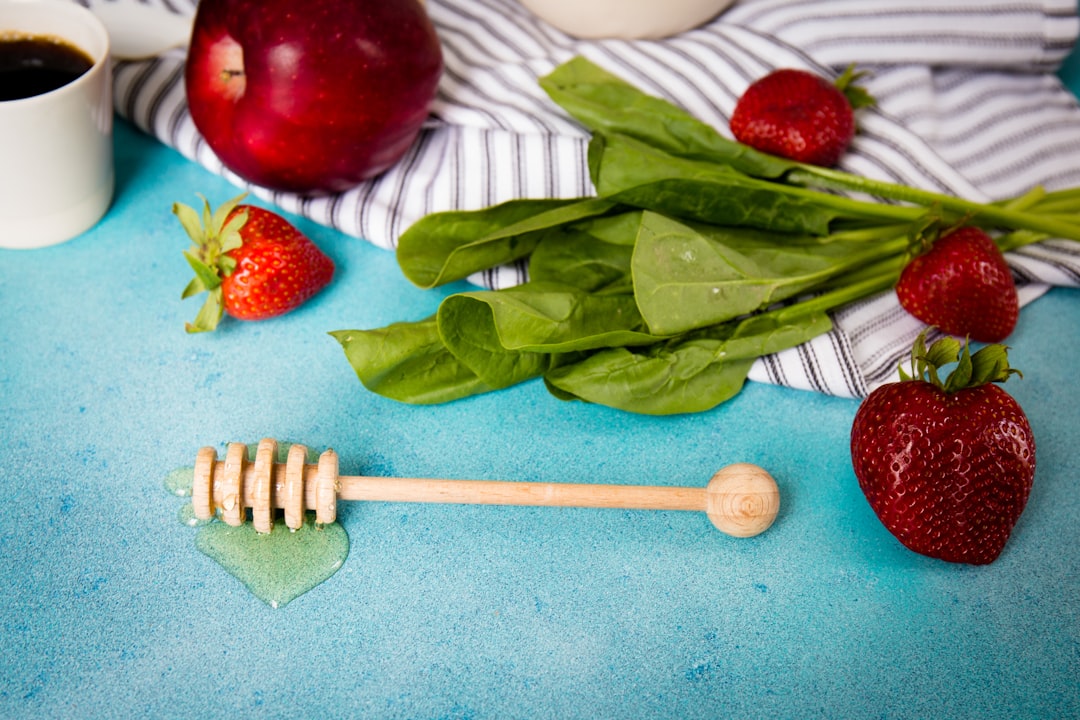
One of the most effective ways to lower cholesterol naturally is through dietary changes. By incorporating more cholesterol-lowering foods into your diet and reducing your intake of saturated and trans fats, you can significantly improve your heart health. Here are some of the best foods to help lower cholesterol:
- Soluble fiber-rich foods: Soluble fiber, found in foods such as oats, barley, fruits, and vegetables, can help lower LDL cholesterol levels by binding to bile acids and removing them from the body.
- Fatty fish: Fatty fish, such as salmon and mackerel, are rich in omega-3 fatty acids, which can help reduce inflammation and improve heart health.
- Avocados: Avocados are a rich source of monounsaturated fats, which can help lower LDL cholesterol levels and improve the overall lipid profile.
- Nuts and seeds: Nuts and seeds, such as almonds, walnuts, and chia seeds, are rich in healthy fats and antioxidants, which can help improve heart health.
- Aerobic exercise: Aerobic exercises, such as walking, jogging, and cycling, can help improve cardiovascular health and reduce LDL cholesterol levels.
- Resistance training: Resistance training, such as weightlifting and bodyweight exercises, can help improve muscle mass and bone density, both of which are essential for overall health.
- High-intensity interval training (HIIT): HIIT involves short bursts of intense exercise followed by brief periods of rest. This type of exercise has been shown to be effective in improving cardiovascular health and reducing inflammation.
- Meditation: Meditation involves focusing your mind on a single point, such as the breath, to reduce stress and anxiety. Regular meditation practice has been shown to lower LDL cholesterol levels and improve overall heart health.
- Yoga: Yoga combines physical movement with deep breathing and meditation techniques to reduce stress and improve flexibility. Regular yoga practice has been shown to lower LDL cholesterol levels and improve overall heart health.
- Deep breathing exercises: Deep breathing exercises involve taking slow, deep breaths to calm the mind and reduce stress. This type of exercise has been shown to lower LDL cholesterol levels and improve overall heart health.
- Incorporate more soluble fiber-rich foods, fatty fish, avocados, nuts, and seeds into your diet to help lower cholesterol levels.
- Limit your intake of saturated and trans fats, which can raise LDL cholesterol levels.
- Engage in regular physical activity, such as aerobic exercise, resistance training, and HIIT, to improve cardiovascular health and reduce LDL cholesterol levels.
- Incorporate stress-reducing techniques, such as meditation, yoga, and deep breathing exercises, to help lower cholesterol levels and improve overall well-being.
- Make small changes to your daily routine, such as taking the stairs instead of the elevator or walking to work, to incorporate more physical activity into your day.
In addition to incorporating these foods into your diet, it’s also essential to limit your intake of saturated and trans fats, which can raise LDL cholesterol levels. These types of fats are often found in processed and fried foods, such as burgers, fries, and baked goods. By cooking at home using fresh ingredients and healthy cooking methods, you can significantly reduce your intake of these unhealthy fats.
Exercise and Physical Activity to Lower Cholesterol Naturally
Regular exercise and physical activity are essential for maintaining good heart health and lowering cholesterol levels. Exercise can help raise HDL cholesterol levels, improve blood flow, and reduce inflammation, all of which can help reduce the risk of heart disease. Here are some of the best types of exercise to help lower cholesterol naturally:
In addition to regular exercise, it’s also essential to incorporate more physical activity into your daily routine. This can include taking the stairs instead of the elevator, walking to work, or doing household chores. By making these small changes, you can significantly improve your overall health and reduce your risk of heart disease.
Stress-Reducing Techniques to Lower Cholesterol Naturally
Chronic stress can have a significant impact on our heart health, including raising cholesterol levels and increasing blood pressure. By incorporating stress-reducing techniques into your daily routine, you can help lower your cholesterol levels and improve your overall well-being. Here are some of the best stress-reducing techniques to help lower cholesterol naturally:
Conclusion and Key Takeaways
Lowering cholesterol naturally requires a comprehensive approach that includes dietary changes, regular exercise, and stress-reducing techniques. By incorporating more cholesterol-lowering foods into your diet, limiting your intake of saturated and trans fats, and engaging in regular physical activity, you can significantly improve your heart health and reduce your risk of heart disease. Additionally, by incorporating stress-reducing techniques, such as meditation, yoga, and deep breathing exercises, you can help lower your cholesterol levels and improve your overall well-being. Remember, small changes can add up over time, so start making these changes today and take the first step towards a healthier, happier you.
Key takeaways: