Are you tired of feeling self-conscious about your body? Do you dream of slipping into your favorite jeans or rocking a swimsuit with confidence? Losing weight can be a daunting task, but it doesn’t have to be. With the right approach, you can shed those extra pounds quickly, safely, and sustainably. In this comprehensive guide, we’ll show you how to lose weight fast safely, without sacrificing your health or well-being. Whether you’re looking to drop a few pounds for a special occasion or embark on a long-term weight loss journey, we’ve got you covered.
Understanding Weight Loss: Setting Realistic Expectations
Before we dive into the nitty-gritty of weight loss, it’s essential to understand how it works. Losing weight is not just about cutting calories or following a fad diet; it’s about adopting a holistic approach that incorporates healthy eating, regular exercise, and lifestyle changes. The key to successful weight loss is setting realistic expectations. Aim to lose 1-2 pounds per week for a sustainable weight loss journey. This might seem slow, but it’s a more maintainable pace that will help you avoid the dreaded yo-yo effect.
To set yourself up for success, it’s crucial to identify your motivation for losing weight. Is it to improve your overall health, boost your self-esteem, or enhance your athletic performance? Whatever your reason, make sure it’s specific, measurable, achievable, relevant, and time-bound (SMART). Write down your goals and track your progress. This will help you stay focused, motivated, and accountable throughout your weight loss journey.
Nutrition: The Foundation of Weight Loss
When it comes to losing weight, nutrition plays a vital role. A healthy, balanced diet provides your body with the necessary fuel to function optimally, while also supporting weight loss. So, what does a weight loss diet look like? Here are some actionable tips to get you started:
- Eat plenty of protein: Protein takes more energy to digest, which can help increase your metabolism and reduce hunger. Aim for 0.8-1 gram of protein per pound of body weight from sources like lean meats, fish, eggs, tofu, and legumes.
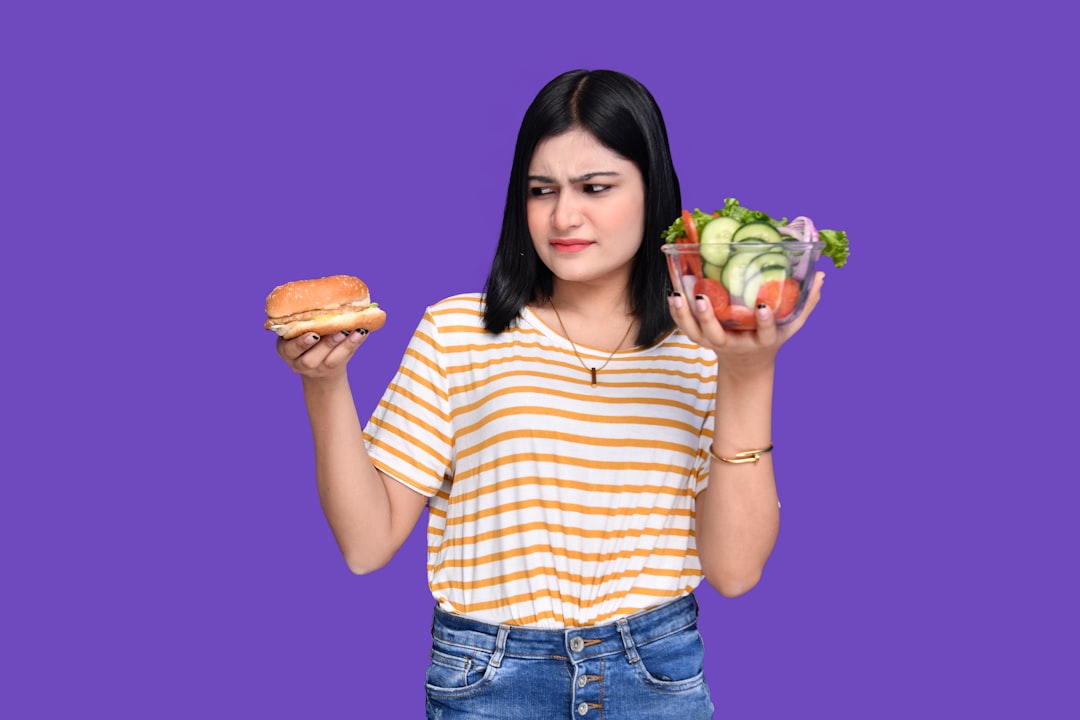
- Focus on whole foods: Whole, unprocessed foods like vegetables, fruits, whole grains, and lean proteins are rich in nutrients, fiber, and water content, making them more filling and satisfying.
- Hydrate adequately: Drinking plenty of water can help suppress appetite, boost metabolism, and support overall health. Aim for at least 8 cups (64 ounces) of water per day.
- Be mindful of portion sizes: Eating large portions can lead to consuming more calories than you need, hindering weight loss efforts. Use a food scale or measuring cups to gauge your portion sizes.
- Limit processed and high-calorie foods: Foods high in sugar, salt, and unhealthy fats can hinder weight loss and negatively impact overall health. Try to limit your intake of processed and high-calorie foods, such as sugary drinks, fast food, and baked goods.
- Find an activity you enjoy: Engage in physical activities that bring you joy, whether it’s walking, running, swimming, cycling, or dancing. This will make exercise feel less like a chore and more like a fun, rewarding experience.
- Aim for 150 minutes of moderate-intensity exercise: The American Heart Association recommends at least 150 minutes of moderate-intensity aerobic exercise per week. You can break this down into 30 minutes per day, 5 days a week.
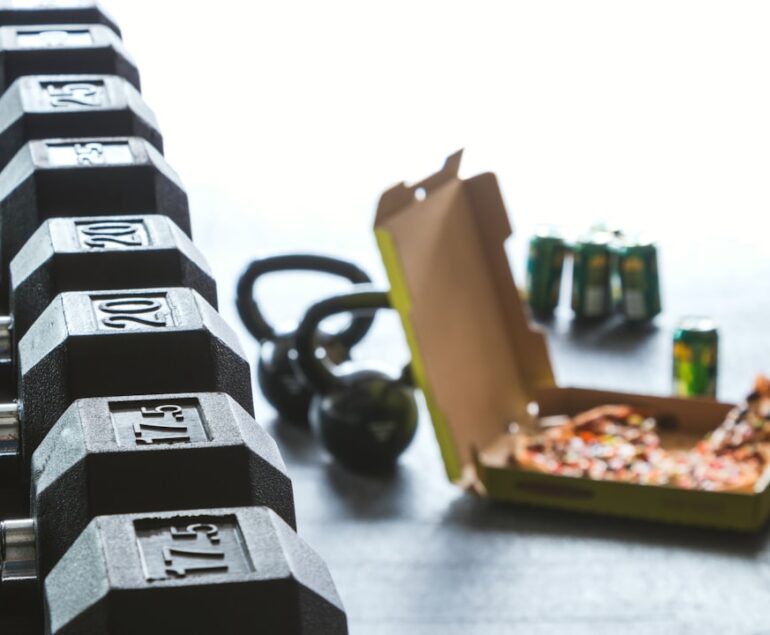
- Incorporate strength training: Building muscle through strength training can help increase your resting metabolic rate, making it easier to lose weight and maintain weight loss over time. Aim for 2-3 strength training sessions per week.
- High-Intensity Interval Training (HIIT): HIIT involves short bursts of high-intensity exercise followed by brief periods of rest. This type of exercise has been shown to be effective for weight loss and improving cardiovascular health.
- Schedule rest days: Rest and recovery are just as important as exercise when it comes to weight loss. Make sure to schedule rest days into your routine to allow your body time to recover and rebuild.
- Get enough sleep: Poor sleep can disrupt hormones that regulate hunger and fullness, leading to overeating and weight gain. Aim for 7-9 hours of sleep per night.
- Manage stress: Chronic stress can lead to emotional eating and weight gain. Engage in stress-reducing activities like meditation, yoga, or deep breathing exercises.
- Stay accountable: Share your weight loss goals with a friend or family member and ask them to hold you accountable. You can also join a weight loss support group for motivation and guidance.
- Be patient and persistent: Losing weight too quickly is not healthy and is unlikely to be sustainable. Focus on making gradual, long-term changes that you can maintain for the rest of your life.
Exercise: The Key to Sustainable Weight Loss
Regular exercise is essential for sustainable weight loss. It not only burns calories but also builds muscle, boosts metabolism, and enhances overall health. Here are some exercise tips to help you get started:
Lifestyle Changes: The Secret to Long-Term Success
Losing weight is not just about diet and exercise; it’s also about adopting healthy lifestyle habits that support your weight loss journey. Here are some lifestyle changes to consider:
In conclusion, losing weight fast safely and sustainably requires a holistic approach that incorporates healthy eating, regular exercise, and lifestyle changes. By setting realistic expectations, focusing on whole foods, staying hydrated, and being mindful of portion sizes, you can set yourself up for success. Remember to find an activity you enjoy, aim for 150 minutes of moderate-intensity exercise per week, and incorporate strength training into your routine. Don’t forget to schedule rest days, get enough sleep, manage stress, and stay accountable. With patience, persistence, and the right mindset, you can achieve your weight loss goals and maintain a healthy, balanced lifestyle for years to come.