Cardiovascular disease (CVD) is a silent killer that claims millions of lives worldwide every year. It’s a leading cause of death and disability, affecting people of all ages, backgrounds, and socioeconomic statuses. The alarming fact is that many people are unaware of the risks and warning signs of CVD, which can lead to devastating consequences. As we delve into the world of cardiovascular health, it’s essential to understand the intricacies of this complex condition, its causes, symptoms, and most importantly, the preventive measures that can help you avoid becoming a statistic. In this comprehensive guide, we’ll explore the ins and outs of cardiovascular disease, providing you with valuable insights and actionable tips to take control of your heart health.
What is Cardiovascular Disease?
Cardiovascular disease refers to a range of conditions that affect the heart and blood vessels, including coronary artery disease, heart failure, arrhythmias, and stroke. It’s a multifaceted condition that can be caused by a combination of genetic, environmental, and lifestyle factors. High blood pressure, high cholesterol, smoking, obesity, physical inactivity, and diabetes are some of the primary risk factors that contribute to the development of CVD. Understanding these risk factors is crucial in preventing and managing the condition. For instance, maintaining a healthy blood pressure through regular exercise, a balanced diet, and stress management can significantly reduce the risk of cardiovascular disease.
Risk Factors and Prevention Strategies
Preventing cardiovascular disease requires a proactive approach that involves adopting a healthy lifestyle, managing risk factors, and monitoring your overall health. Here are some essential strategies to help you reduce your risk:
- Maintain a healthy diet: Focus on consuming a balanced diet rich in fruits, vegetables, whole grains, and lean proteins. Avoid sugary drinks, saturated fats, and excessive sodium.
- Exercise regularly: Engage in moderate-intensity physical activity, such as brisk walking, cycling, or swimming, for at least 150 minutes per week.
- Don’t smoke: Quit smoking and avoid secondhand smoke to reduce your risk of cardiovascular disease.
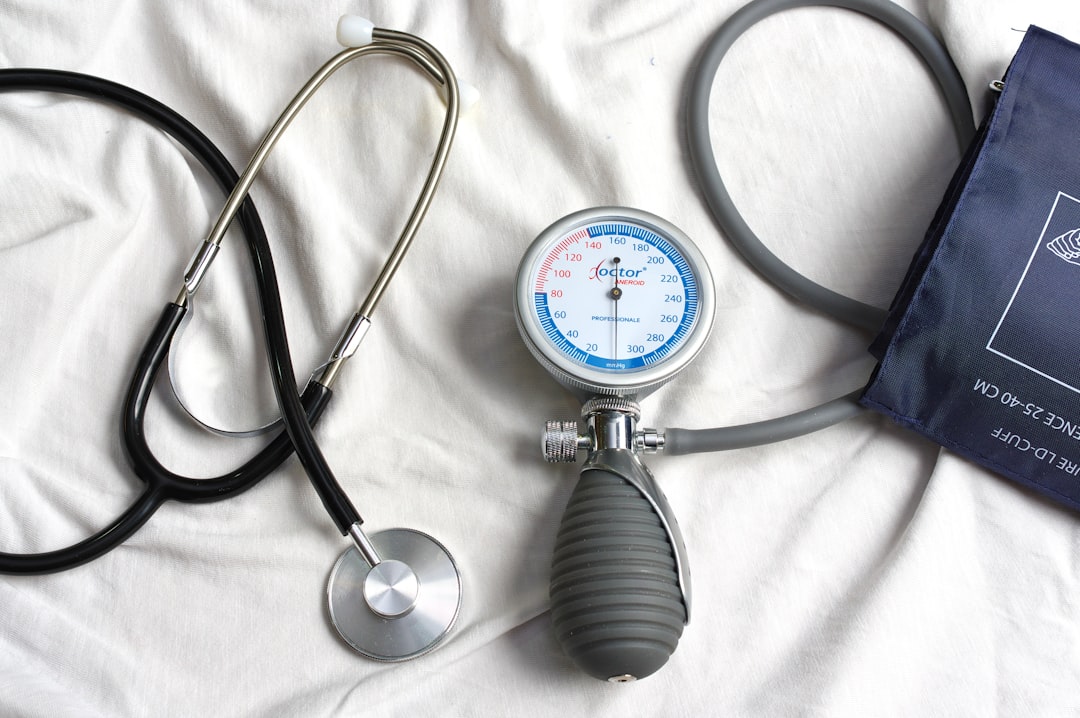
- Monitor your blood pressure: Regularly check your blood pressure and work with your healthcare provider to manage it if it’s high.
- Get enough sleep: Aim for 7-8 hours of sleep per night to help regulate your cardiovascular system.
- Manage stress: Engage in stress-reducing activities, such as meditation, yoga, or deep breathing exercises, to help mitigate the negative effects of stress on your heart health.
- Chest pain or discomfort: Pain or pressure in the chest, arms, back, neck, jaw, or stomach.
- Shortness of breath: Difficulty breathing or feeling winded even when sitting still or engaging in light physical activity.
- Pain or weakness in the legs or arms: Pain, numbness, or weakness in the legs or arms, which can be a sign of peripheral artery disease.
- Dizziness or lightheadedness: Feeling dizzy or lightheaded, which can increase the risk of falls and injuries.
- Medications: Your healthcare provider may prescribe medications to manage high blood pressure, high cholesterol, or other underlying conditions that contribute to CVD.
- Lifestyle modifications: Adopting a healthy lifestyle, as mentioned earlier, can help manage symptoms and reduce the risk of complications.
- Surgical interventions: In some cases, surgical procedures, such as angioplasty, stenting, or coronary artery bypass grafting, may be necessary to restore blood flow to the heart or other affected areas.
- Cardiac rehabilitation: Participating in a cardiac rehabilitation program can help you recover from a heart attack, surgery, or other cardiovascular conditions, while also providing education and support to manage your condition.
- Maintaining a healthy lifestyle through a balanced diet, regular exercise, and stress management
- Monitoring your blood pressure and managing it if it’s high
- Avoiding smoking and secondhand smoke
- Recognizing the symptoms of cardiovascular disease and seeking timely medical attention
- Working with your healthcare provider to develop an effective treatment plan and manage your condition.
Symptoms and Diagnosis
Recognizing the symptoms of cardiovascular disease is vital in seeking timely medical attention. Some common symptoms include:
If you experience any of these symptoms, it’s essential to seek medical attention immediately. Your healthcare provider may use various diagnostic tests, such as electrocardiograms (ECGs), echocardiograms, or stress tests, to determine the underlying cause of your symptoms and develop an effective treatment plan.
Managing and Treating Cardiovascular Disease
While cardiovascular disease can be a challenging condition to manage, there are various treatment options available to help alleviate symptoms, slow disease progression, and improve overall quality of life. These may include:
In conclusion, cardiovascular disease is a complex and multifaceted condition that requires a comprehensive approach to prevention, diagnosis, and treatment. By understanding the risk factors, adopting a healthy lifestyle, and seeking medical attention when necessary, you can significantly reduce your risk of developing CVD. Remember, it’s essential to be proactive about your heart health, and by taking control of your lifestyle and seeking medical attention when needed, you can live a long, healthy, and fulfilling life. Key takeaways include:
By following these tips and staying informed about cardiovascular disease, you can take the first step towards a healthier, happier you. So, take control of your heart health today and reduce your risk of becoming a statistic. Your heart will thank you.