Are you tired of living with high cholesterol? Do you want to reduce your risk of heart disease without relying on medication? You’re not alone. Millions of people around the world are seeking natural ways to lower their cholesterol levels and improve their overall health. The good news is that it’s possible to make significant changes to your lifestyle and diet that can help you achieve your goal. In this article, we’ll explore the most effective ways to lower cholesterol naturally, from dietary changes to stress-reducing techniques.
Understanding Cholesterol and Its Impact on Health
Before we dive into the ways to lower cholesterol naturally, it’s essential to understand what cholesterol is and how it affects our health. Cholesterol is a type of fat found in the bloodstream that plays a crucial role in various bodily functions, such as hormone production and cell membrane structure. However, when cholesterol levels become too high, it can lead to the formation of plaque in the arteries, increasing the risk of heart disease, stroke, and other cardiovascular conditions. There are two types of cholesterol: low-density lipoprotein (LDL) or “bad” cholesterol, and high-density lipoprotein (HDL) or “good” cholesterol. LDL cholesterol can build up in the arteries, while HDL cholesterol helps remove excess cholesterol from the bloodstream.
To lower cholesterol naturally, it’s essential to focus on reducing LDL cholesterol and increasing HDL cholesterol. This can be achieved through a combination of dietary changes, lifestyle modifications, and stress-reducing techniques. By incorporating these changes into your daily routine, you can significantly reduce your risk of heart disease and improve your overall health.
Dietary Changes to Lower Cholesterol
One of the most effective ways to lower cholesterol naturally is through dietary changes. A healthy diet can help reduce LDL cholesterol and increase HDL cholesterol. Here are some key dietary changes you can make:
- Increase soluble fiber intake: Soluble fiber, found in foods such as oats, barley, fruits, and vegetables, can help lower LDL cholesterol. Aim for 25-30 grams of soluble fiber per day.
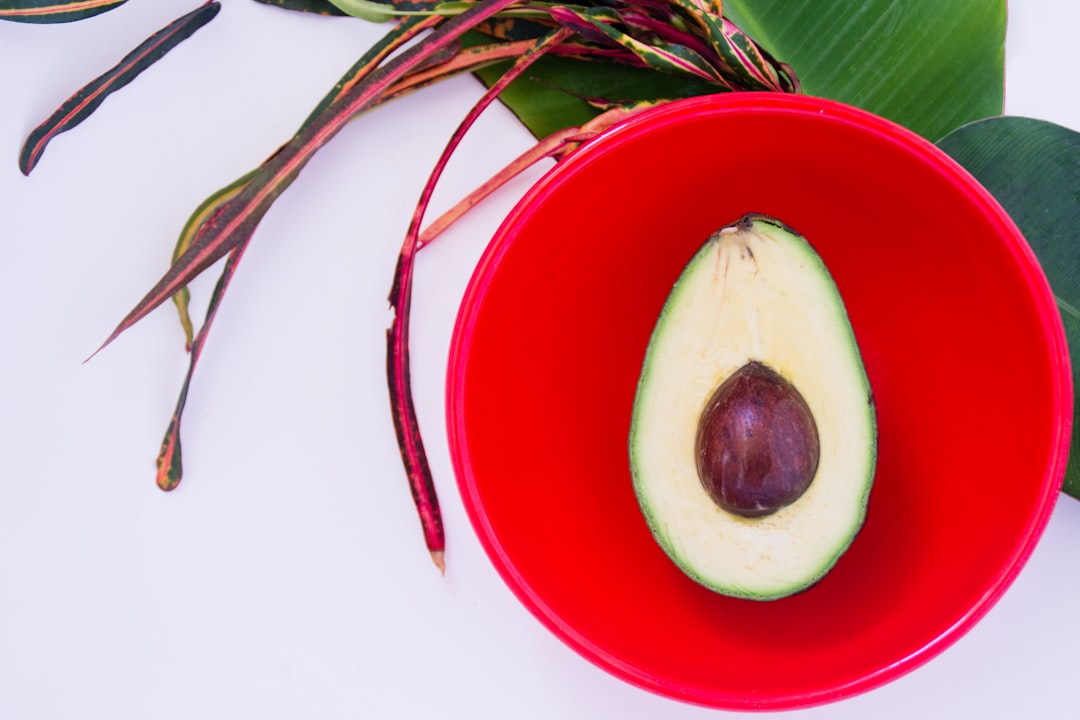
- Choose healthy fats: Healthy fats, such as those found in avocados, nuts, and olive oil, can help raise HDL cholesterol and lower LDL cholesterol.
- Select lean protein sources: Lean protein sources, such as poultry, fish, and legumes, can help reduce LDL cholesterol and increase HDL cholesterol.
- Limit saturated and trans fats: Saturated and trans fats, found in foods such as red meat, full-fat dairy products, and processed snacks, can raise LDL cholesterol and lower HDL cholesterol.
- Stay hydrated: Drinking plenty of water can help flush out excess cholesterol from the bloodstream.
- Exercise regularly: Regular exercise, such as cardio and strength training, can help raise HDL cholesterol and lower LDL cholesterol. Aim for at least 150 minutes of moderate-intensity exercise per week.
- Maintain a healthy weight: Excess weight, particularly around the midsection, can increase the risk of high cholesterol. Aim for a body mass index (BMI) between 18.5 and 24.9.
- Manage stress: Chronic stress can raise LDL cholesterol and lower HDL cholesterol. Engage in stress-reducing activities, such as yoga, meditation, or deep breathing exercises.
- Get enough sleep: Poor sleep quality and duration can disrupt cholesterol levels. Aim for 7-8 hours of sleep per night.
- Quit smoking: Smoking can significantly increase the risk of heart disease and high cholesterol. Quitting smoking can help lower cholesterol levels and improve overall health.
- Plant sterols and stanols: These natural substances, found in plants, can help lower LDL cholesterol. Look for foods fortified with plant sterols and stanols, or consider taking a supplement.
- Omega-3 fatty acids: Omega-3 fatty acids, found in fatty fish, flaxseeds, and walnuts, can help raise HDL cholesterol and lower triglycerides.
- Coenzyme Q10 (CoQ10): CoQ10, an antioxidant found in meat, fish, and whole grains, can help lower LDL cholesterol and improve heart health.
- Yoga and meditation: These stress-reducing techniques can help lower cortisol levels, which can contribute to high cholesterol.
- Deep breathing exercises: Deep breathing exercises, such as diaphragmatic breathing, can help reduce stress and lower blood pressure.
- Increase soluble fiber intake and choose healthy fats, lean protein sources, and whole foods.
- Limit saturated and trans fats, added sugars, and refined carbohydrates.
- Exercise regularly, maintain a healthy weight, and manage stress.
- Consider supplements such as plant sterols and stanols, omega-3 fatty acids, and CoQ10.
- Engage in stress-reducing activities, such as yoga, meditation, and deep breathing exercises.
In addition to these dietary changes, it’s essential to limit your intake of added sugars, refined carbohydrates, and processed foods. These foods can cause inflammation in the body, which can increase the risk of heart disease. By focusing on whole, nutrient-dense foods, you can help lower your cholesterol levels and improve your overall health.
Lifestyle Modifications to Lower Cholesterol
In addition to dietary changes, lifestyle modifications can also play a significant role in lowering cholesterol naturally. Here are some key lifestyle changes you can make:
By incorporating these lifestyle modifications into your daily routine, you can significantly reduce your risk of heart disease and improve your overall health. Remember, it’s all about making sustainable changes that you can maintain in the long term.
Supplements and Stress-Reducing Techniques
In addition to dietary changes and lifestyle modifications, certain supplements and stress-reducing techniques can also help lower cholesterol naturally. Here are some key supplements and techniques to consider:
When considering supplements, it’s essential to talk to your healthcare provider before adding any new supplements to your routine. They can help you determine the best course of action and ensure that any supplements you take won’t interact with any medications you’re currently taking.
Conclusion and Key Takeaways
Lowering cholesterol naturally requires a comprehensive approach that incorporates dietary changes, lifestyle modifications, and stress-reducing techniques. By focusing on whole, nutrient-dense foods, exercising regularly, maintaining a healthy weight, and managing stress, you can significantly reduce your risk of heart disease and improve your overall health. Remember, it’s all about making sustainable changes that you can maintain in the long term. Here are the key takeaways:
By following these tips and making sustainable changes to your lifestyle and diet, you can lower your cholesterol levels naturally and improve your overall health. Remember to always consult with your healthcare provider before making any significant changes to your diet or lifestyle. With the right approach and a commitment to your health, you can achieve a healthier heart and a happier you.